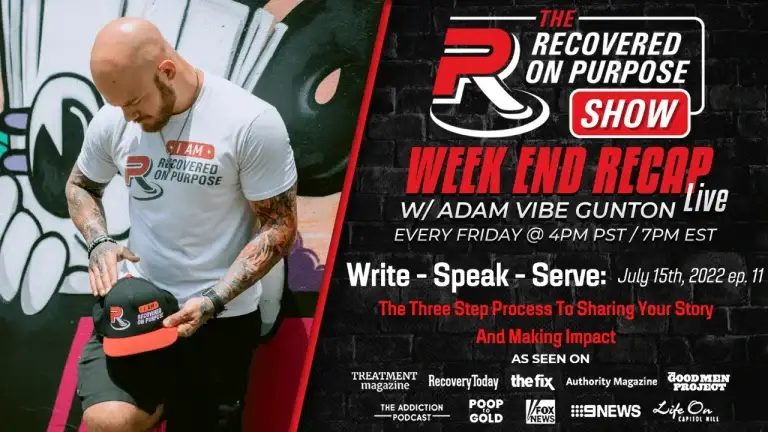
Every person in recovery has a story that can change lives. Whether you’ve overcome addiction, survived a personal crisis, or transformed your life through recovery, your journey has the power to inspire and help others. But how do you take your story from a personal experience to a message that reaches and impacts others?
This three-step process—Write, Speak, Serve—guides you in sharing your story effectively. First, you write your story to give it structure and clarity. Then, you learn how to speak it with confidence and power. Finally, you serve it to others by sharing it in schools, nonprofits, and organizations that need hope and inspiration.
If you’re ready to use your past to make an impact, let’s dive into each step of the process.
Why Your Story Matters in Addiction Recovery
Your story is not just about you. It’s about those who are struggling right now—those who need to hear that recovery is possible. Sharing your journey openly and honestly can be a source of strength, hope, and guidance for others.
The Power of Personal Testimony in Breaking Stigma
Addiction is surrounded by stigma, and many people suffering in silence feel ashamed and alone. When you openly share your story, you break down misconceptions and help others see that addiction is not a moral failing but a condition that can be overcome.
By speaking your truth, you empower others to step out of the shadows and seek help. Your vulnerability becomes an invitation for others to begin their own healing process.
How Your Experience Can Inspire and Help Others
Think about the moments in your life when you felt the most hopeless. Now imagine if someone had shared a story with you at that time—someone who had been through the same struggles and had come out the other side. That’s the power of your story.
When you share your journey, you become a beacon of hope for someone else. Whether it’s a person in early recovery, a struggling family member, or a young person considering the wrong path, your experience can change lives.
Step One: Writing Your Story with Clarity and Impact
Before you can speak your story, you need to write it. Writing your story helps you organize your thoughts, refine your message, and ensure that you’re sharing the most impactful parts of your journey.
Structuring Your Story – The Key Elements to Include
A powerful recovery story follows a structure that makes it easy for others to connect with and remember. Here’s a simple way to frame it:
- The Struggle – Describe where you were at your lowest point. What were your challenges? What emotions did you experience? Be honest, raw, and real.
- The Turning Point – What moment made you decide to change? Did you hit rock bottom? Was there a person or event that pushed you toward recovery?
- The Recovery Journey – Share the steps you took to heal. Did you go to treatment, work a program, find faith, or get mentorship?
- The Transformation – Where are you now? How has your life changed, and what are you doing to stay on the path of recovery?
Writing with Authenticity – Sharing Your Truth Effectively
Your story should be honest and unfiltered, but that doesn’t mean you need to share every detail. Instead, focus on what will help others understand your journey and inspire them to take action in their own lives.
Here are a few writing tips:
- Be real, but keep it readable – Avoid unnecessary details that don’t add value to your message.
- Use vivid descriptions – Help the audience feel what you felt by describing sights, sounds, and emotions.
- End on hope – Always leave people with the belief that recovery is possible.
Once you’ve written your story, practice reading it aloud. This will help you refine the flow and ensure it sounds natural when spoken.
Step Two: Speaking Your Story with Confidence
Writing your story is one thing, but speaking it in front of others is where the real impact happens. Public speaking can feel intimidating, but it’s a skill that can be developed with practice and preparation.
Overcoming Fear and Nervousness When Sharing Publicly
Many people fear public speaking, but that fear fades with experience. Here’s how to overcome it:
- Start small – Share your story in safe spaces like recovery meetings before speaking to larger audiences.
- Practice often – The more you practice, the more comfortable you’ll become. Rehearse in front of friends or record yourself to refine your delivery.
- Remember your purpose – Focus on the people you are helping rather than on yourself. When you speak with the intent to serve, fear takes a backseat.
Connecting with Your Audience to Make a Lasting Impact
Great storytelling isn’t just about what you say—it’s about how you say it.
- Make eye contact – This builds trust and connection.
- Speak with passion – Your emotions will resonate with the audience.
- Engage your listeners – Ask questions or invite participation if appropriate.
If your story comes from the heart, people will feel it, and it will leave a lasting impact.
Step Three: Serving Your Story in Schools and Nonprofits
Once you’ve written and spoken your story, the next step is serving it. This means taking your message beyond recovery meetings and into the world where it can make a real difference.
Reaching the Next Generation and Preventing Addiction
One of the most powerful ways to use your story is to share it with young people. Many students today are at risk of falling into addiction, but hearing a real-life story can make them think twice about their choices.
Here’s how you can bring your message to schools:
- Partner with local educators – Schools often welcome guest speakers who can provide real-world insights.
- Adapt your story for younger audiences – Focus on choices, consequences, and the power of positive change.
- Keep it engaging – Use humor, personal anecdotes, and interaction to hold their attention.
Partnering with Organizations to Maximize Your Influence
Nonprofits, recovery centers, and community organizations are always looking for speakers who can inspire and educate. Reach out to groups that align with your mission and offer to share your story.
Ways to serve your story include:
- Speaking at addiction treatment centers – Many people in early recovery need encouragement from someone who has been through it.
- Volunteering for outreach programs – Helping others reinforces your own recovery and allows your message to spread further.
- Starting a mentorship program – Guide others who are trying to find their way in recovery.
By serving your story, you take your experience and turn it into a tool for change.
Conclusion: Your Story Can Change Lives
The Write – Speak – Serve process is about more than just sharing your story—it’s about making an impact. Writing gives your story structure, speaking allows it to reach others, and serving spreads your message to those who need it most.
Your recovery journey is valuable, and there are people out there waiting to hear it. Whether you’re sharing in a meeting, speaking in a school, or inspiring change in a nonprofit, your story has the power to transform lives.
Start today. Write your story, speak your truth, and serve it to the world. You never know whose life you might save.

Adam Vibe Gunton is an American author, speaker and thought leader in addiction treatment and recovery. After overcoming homelessness and drug addiction, Adam found his life’s purpose in helping addicts find the same freedom he found. As Founder and Executive Director of the 501(c)3 nonprofit, Recovered On Purpose, and Managing Partner of Behavioral Health Partners, Adam has helped thousands find freedom from addiction all over the world.