
The fourth tradition of Alcoholics Anonymous plays a vital role in how AA groups function. It grants autonomy, allowing each AA meeting to operate according to its own conscience, without interference from other authority. However, this freedom is not absolute. The fourth tradition teaches that an AA group should be autonomous except in matters affecting other groups or AA as a whole. This ensures that while we have the right to be wrong, we do not greatly affect the common welfare of the fellowship.
By understanding Tradition 4 Alcoholics Anonymous, members can appreciate the delicate balance between local autonomy and the need to protect the welfare of neighboring groups. Whether deciding on a meeting format, choosing conference-approved literature, or structuring business meetings, groups must consider how their actions impact others. The General Service Board and regional committees exist to guide, not control, ensuring that groups retain their primary privilege of self-governance while staying aligned with the twelve traditions.
In this article, we will break down Tradition 4, explaining how it influences AA group local autonomy, why individual groups have the most extreme privileges, and how the spiritual foundation of AA is upheld through trusted servants and collective conscience decisions.
What Is Tradition 4 in Alcoholics Anonymous?
The Fourth Tradition of AA Explained
AA Tradition 4: The Meaning of Group Autonomy
The Fourth Tradition of Alcoholics Anonymous grants each AA group the freedom to operate independently, as long as their actions do not impact other groups or AA as a whole. This ensures that every group can tailor meetings to best serve alcoholics while maintaining the unity of the fellowship.
“Each AA group should be autonomous
except in matters affecting other groups or AA as a whole.”
This tradition gives each AA group local autonomy, allowing them to govern their own affairs without outside interference. This means groups can determine their meeting format, structure their business meetings, and decide which literature—whether conference-approved or non-conference-approved literature—to use. However, while this freedom exists, Tradition 4 of Alcoholics Anonymous ensures that groups do not make decisions that might greatly affect AA as a whole or disrupt the common welfare of the fellowship.
The Long Form of Tradition Four Explained
The long form of Tradition 4 expands on this idea, stating that while groups have the right to be wrong, they should avoid matters affecting other groups or taking actions that could create division in the fellowship.
AA Tradition 4 Long Form: Group Autonomy with Responsibility
The long form of AA’s Fourth Tradition emphasizes that while each group governs itself, it must consider the impact of its actions on other groups and the fellowship as a whole. Consultation and unity ensure that AA remains strong and effective in carrying its message.
The Long Form of Tradition 4 States:
“With respect to its own affairs, each A.A. group should be responsible to no other authority than its own conscience. But when its plans concern the welfare of neighboring groups also, those groups ought to be consulted. And no group, regional committee, or individual should ever take any action that might greatly affect A.A. as a whole without conferring with the trustees of the General Service Board. On such issues our common welfare is paramount.”
This balance between group autonomy and responsibility is what allows AA to function as a decentralized but unified movement, ensuring that all AA members can stop drinking and find recovery in a stable fellowship.
How Tradition 4 Balances Autonomy and Responsibility
While the fourth tradition teaches that every group has the most extreme privileges in handling its own members, own conscience, and group purpose, this autonomy is not unlimited. AA groups have the right to make their own decisions, but they must do so within the spirit of the Twelve Traditions. This means that while a group can experiment with different meeting formats, they cannot create other affiliations or operate in a way that greatly affects other groups or the fellowship’s core message.
For example, a new group forming in a small town that introduces a group nightclub or a paid preacher would be violating the spirit of AA tradition. Such decisions could cause confusion among members, leading to complete indifference toward AA’s core mission. This is why Tradition 4 reminds us that while groups have the primary privilege of autonomy, they must still prioritize the welfare of neighboring groups and the common welfare of AA as a whole.
The Role of the General Service Board in AA Group Autonomy
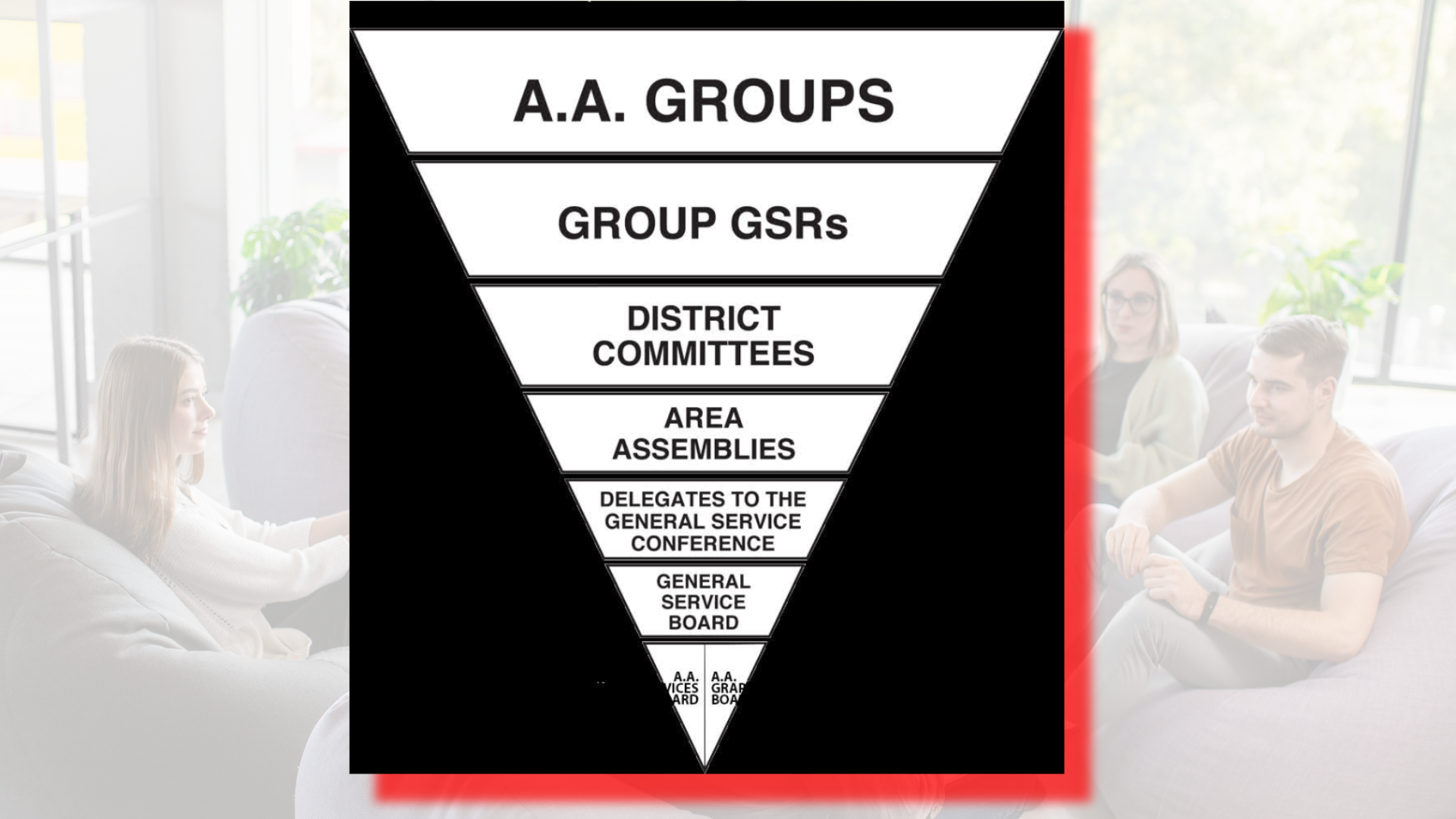
Although AA groups operate independently, they are not entirely without guidance. The General Service Board, General Service Committee, and Intergroup Committee exist to provide support when needed. These trusted servants do not function as an overall or intergroup authority but instead offer assistance when a group’s plans concern the welfare of other members or matters affecting other groups.
For example, if a home group is considering a major change that could greatly affect AA, such as adopting non-AA literature or creating an exclusive membership policy, it may seek input from the regional committee or world service for guidance. However, these bodies do not dictate rules—they exist solely to support groups in upholding AA’s spiritual foundation.
Ultimately, Tradition 4 of Alcoholics Anonymous allows groups to function independently, but safely granted autonomy must always be exercised with responsibility. The collective conscience of AA members, guided by the Twelve Traditions, ensures that the common welfare is paramount, protecting the fellowship for those who still suffer.
The Importance of Group Autonomy in AA

Understanding Autonomy in AA’s Fourth Tradition
AA’s Fourth Tradition allows each group to operate independently, making its own decisions about meeting format, literature, and service roles. This autonomy ensures flexibility while preserving AA’s core principles.
What Does Autonomy Mean in Tradition 4?
Tradition 4 grants each AA group the ability to make its own decisions regarding how it functions. This means groups can decide their meeting structure, the type of literature they use, and how they handle service roles. Whether a group chooses to hold closed meetings or open discussions, the decision is entirely up to its members.
The freedom within Tradition 4 allows AA to remain flexible, ensuring that each group can best serve those who attend. However, this autonomy exists under the principle that while individual welfare matters, it should never override the common welfare of the fellowship. The first sentence of Tradition 4 establishes that a group must be mindful of how its choices impact other members, reinforcing that freedom comes with responsibility.
When Group Autonomy Becomes a Problem
Autonomy does not mean isolation. If a group takes actions that contradict the Twelve Steps or the purpose of AA, it can create confusion and division within the fellowship. For instance, a group that disregards AA’s core principles in favor of personal interpretations may alienate struggling alcoholics who need consistency and clarity.
This sentence guarantees that AA groups can run independently, but this does not mean they can act without accountability. If a group’s actions harm other members, it must reassess whether its autonomy is serving its intended purpose. True group autonomy thrives when it respects the one ultimate authority that guides AA as a whole—the spiritual principles that bring recovery to those who seek it.
The Responsibility of AA Groups to Other Groups
Avoiding Harm to Other Groups
While the Fourth Tradition allows AA groups to manage their own affairs, it also establishes a crucial boundary—groups must avoid actions that disrupt the broader fellowship. Every decision made within a group can have ripple effects, sometimes unintentionally impacting others affecting nearby meetings. A lack of consideration can lead to division, confusion, or even the alienation of newcomers seeking help.
For example, if a group introduces non-AA literature as central to its message, it risks misleading members and contradicting the foundation outlined in the Big Book. Such actions could cause distrust among members and make it difficult for AA as a whole to maintain clarity in its purpose. When groups disregard the group conscience of AA’s collective membership, they create unnecessary challenges for other authority figures who help preserve the fellowship’s integrity.
How AA Groups Can Maintain Unity While Staying Independent
To honor autonomy without compromising unity, groups should engage in open dialogue with regional committees and other AA entities when making significant changes. The group conscience process should guide major decisions, ensuring that choices align with AA’s core values while allowing flexibility in meeting styles and formats.
Mutual respect between groups strengthens the fellowship and prevents misunderstandings. If conflicts arise, seeking guidance from experienced members or a regional committee can provide clarity while maintaining each group’s right to manage its own affairs. Unity thrives when groups uphold shared principles while allowing room for diversity in approach.

Ways AA Groups Can Uphold Tradition 4
AA groups maintain their autonomy by following the group conscience, respecting other groups and the fellowship, and considering the public perception of Alcoholics Anonymous. Tradition 4 allows for independence while ensuring unity and responsibility.
How Groups Can Honor Tradition 4 Alcoholics Anonymous
Each AA group operates independently, but autonomy comes with responsibility. By following group conscience, respecting other groups, and considering public perception, AA groups ensure they remain focused on their primary purpose while preserving the unity of the fellowship.
Following the Group Conscience
The Fourth Tradition emphasizes the importance of group conscience in making decisions that align with AA’s principles. The fourth tradition teaches that while each group is autonomous, decisions should be made collectively, rather than by a single voice. The common welfare is paramount, and group decisions should reflect this guiding principle.
When a group faces matters affecting its structure, literature, or service commitments, it is essential to seek group conscience through discussion and voting. This process ensures that decisions are spiritually guided rather than influenced by personal opinions. When two or three alcoholics come together with humility, seeking guidance from a higher power, their choices are more likely to benefit both the group and the fellowship at large.
Respecting Other Groups and the Fellowship
One group’s decisions should never greatly affect AA as a whole or create divisions between meetings. While AA groups are free to run their affairs in each A.A. group as they see fit, they must still operate within the framework of AA’s principles. If a group makes choices that contradict the message found in the Twelve Traditions, it risks undermining the unity that allows AA to be effective.
For example, if a group implements drastic changes to its format that confuse newcomers or misrepresent AA’s core principles, it could weaken trust in the program. Groups must be mindful that their plans concern the welfare of all members and should never make changes that alienate others within the fellowship.
Considering Public Perception of AA Groups
AA groups do not operate in isolation. The way a group conducts itself reflects on AA as a whole. The fourth tradition teaches that while each group has autonomy, its actions should not harm AA’s reputation or misrepresent its purpose. If a group engages in controversial practices, allows disruptive behaviors, or strays too far from AA’s foundational message, it can create confusion for both new and existing members.
Consulting Other Trusted AA Members
When a group faces such issues that could impact the fellowship, seeking counsel from trusted members, district representatives, or AA service committees is a responsible course of action. Groups should remember that while they have independence, their plans concern the greater good of the fellowship.
Consulting experienced AA members ensures that decisions align with AA’s traditions while still respecting each group’s autonomy. By doing so, they protect the common welfare, ensuring that no group makes choices that could cause harm or surely die out due to disconnection from AA’s spiritual foundation.

Understanding the Spiritual Principles of AA Tradition 4
AA’s Fourth Tradition is built on key spiritual principles, including autonomy, responsibility, humility, and unity. While each group operates independently, these principles ensure that decisions align with AA’s greater purpose and maintain the fellowship’s strength.
The Spiritual Principles Behind the Fourth Tradition of AA
Tradition 4 is more than autonomy—it is about making responsible decisions that uphold AA’s core values. By embracing autonomy, responsibility, humility, and unity, groups ensure they serve alcoholics effectively while preserving AA’s foundation.
Autonomy – The Freedom to Make Decisions
The Fourth Tradition grants the same trust to meetings as the program gives individuals—allowing flexibility in decision-making without rigid control. Just as AA does not dictate how someone works the steps, no centralized authority imposes strict rules on gatherings. Instead, decisions are guided by a group conscience, ensuring that formats and practices align with recovery principles.
This freedom allows various approaches while maintaining a welcoming environment for all alcoholics gathered. However, with autonomy comes the understanding that choices should reflect AA’s primary purpose rather than personal preferences.
Responsibility – Ensuring Decisions Benefit the Fellowship
While Tradition Four allows self-governance, it also carries accountability. The ability to establish meeting structures, literature selection, and service commitments must always be considered in the context of how they impact those seeking recovery.
AA’s common welfare is paramount, and every decision should reinforce AA’s core mission. Ensuring a consistent and welcoming message helps maintain a stable foundation where anyone struggling with alcoholism can find support.
Humility – Seeking Guidance When Needed
No individual gathering has all the answers. AA functions best when its members recognize the value of collective wisdom. If such issues arise that create uncertainty, seeking outside perspectives can prevent confusion or division. Consulting experienced members, referencing AA literature, or discussing concerns with those involved in service work ensures that decisions align with the fellowship’s guiding principles. This willingness to listen and learn strengthens the overall recovery environment.
The Connection Between the Fourth Tradition and the First Tradition
Tradition Four and Tradition One work together to maintain the integrity of Alcoholics Anonymous. While autonomy allows flexibility, unity ensures that AA remains a reliable source of recovery. Every decision should ultimately reflect the common welfare, preserving the foundation where newcomers can find consistent guidance and support. Close afterward, it is this balance between self-direction and shared purpose that allows AA to continue serving those who need it most.
Honoring Tradition Four: Freedom, Responsibility, and Our Own Conscience
Tradition Four grants the freedom to make independent choices, but with that comes the responsibility to consider how those decisions impact others. The ability to create unique meeting formats, select literature, and determine service roles ensures that recovery remains accessible to those who need it. However, independence should never overshadow the shared mission of AA. When decision-making is guided by principles rather than personal preferences, the fellowship remains strong and effective.
The common welfare is paramount, meaning that every action should contribute to a supportive and inclusive environment. Decisions made with an open mind and a willingness to serve rather than control foster unity within AA. A meeting that prioritizes personal agendas over the needs of newcomers risks creating division instead of offering recovery. True autonomy thrives when exercised with humility and awareness of the greater good.
By embracing the balance between freedom and accountability, members uphold the spirit of Tradition Four. Trusted leadership, open discussions, and respect for the traditions allow meetings to flourish without compromising AA’s integrity. When guided by a collective commitment to helping others, self-governance strengthens rather than weakens the fellowship, ensuring that AA remains a place where all who seek recovery can find it.

Adam Vibe Gunton is an American author, speaker and thought leader in addiction treatment and recovery. After overcoming homelessness and drug addiction, Adam found his life’s purpose in helping addicts find the same freedom he found. As Founder and Executive Director of the 501(c)3 nonprofit, Recovered On Purpose, and Managing Partner of Behavioral Health Partners, Adam has helped thousands find freedom from addiction all over the world.