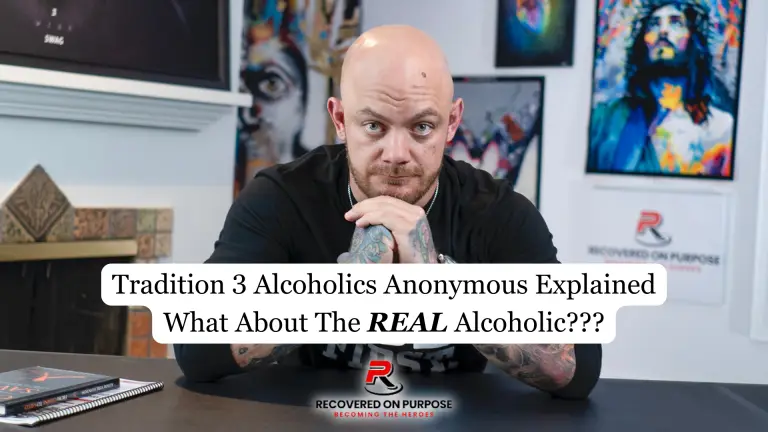
For decades, Alcoholics Anonymous (AA) has provided a solution for those suffering from alcoholism, built on the Twelve Steps and Twelve Traditions. One of the most misunderstood yet essential traditions is Tradition 3 in A.A., which states:
Tradition 3 of Alcoholics Anonymous: Who Can Join AA?
AA’s Third Tradition states that the only requirement for membership is a desire to stop drinking. This ensures that anyone struggling with alcoholism has access to recovery without barriers, promoting AA’s open-door policy.
“The only requirement for A.A. membership is a desire to stop drinking.”
At first glance, this requirement for A.A. membership seems simple—anyone who wants to stop drinking can attend. But when we take a deep dive into Tradition 3, we find that its long form, published in the AA Grapevine, adds an important distinction:
AA Tradition 3: Open to All Who Suffer from Alcoholism
The Third Tradition of Alcoholics Anonymous ensures that anyone struggling with alcoholism is welcome. AA does not exclude based on background, beliefs, or circumstances—only a desire to stop drinking matters. This principle keeps AA accessible to all who seek recovery.
“Our membership ought to include all who suffer from alcoholism.”
This shift in language highlights a key issue in A.A. group settings today: What about the real alcoholic? Is everyone in the rooms truly suffering from the condition described in the Big Book of Alcoholics Anonymous? Or has the message been diluted by those who may have a drinking problem but do not need the same life-saving solution?
Understanding the Third Tradition is critical for AA members who want to maintain their primary focus—helping the real alcoholic recover. In this article, we’ll break down the history, evolution, and impact of Tradition 3, exploring what it means for the future of Alcoholics Anonymous.
The Third Tradition: A Desire to Stop Drinking and What It Really Means

The Short and Long Form of Tradition 3
At its core, Tradition 3 in A.A. was designed to remove barriers to membership, ensuring that those in need of help could find it. The short form, which states, “The only requirement for A.A. membership is a desire to stop drinking,” is widely known and quoted. This wording promotes inclusivity, allowing anyone with a drinking problem to join without restrictions on background, financial status, or personal beliefs.
However, the long form, first published in the AA Grapevine in 1946, provides a more precise definition:
AA Tradition 3: No One Is Turned Away
Alcoholics Anonymous embraces all who suffer from alcoholism. Tradition 3 ensures that no one is denied membership if they seek recovery. AA does not judge based on background, beliefs, or history—only the desire to stop drinking matters.
“Our membership ought to include all who suffer from alcoholism.
Hence, we may refuse none who wish to recover.”
This version does not simply state that anyone who wants to stop drinking may join—it specifically mentions those who suffer from alcoholism. This was a crucial distinction in the early days of Alcoholics Anonymous, ensuring that those entering the program truly needed the spiritual solution outlined in the Big Book.
Over time, as A.A. groups expanded, the emphasis on this distinction faded. By reducing the requirement to simply a “desire to stop drinking,” the door opened not just to those suffering from alcoholism, but also to individuals who drank excessively due to stress, personal struggles, or other reasons but did not suffer from the same mental obsession and physical craving described in A.A. literature. While this allowed more people to find community, it also changed the way the A.A. message was carried inside meetings.
How the Change Impacted Alcoholics Anonymous
By simplifying the requirement for membership, the structure of meetings changed significantly. As more people joined—some seeking general support groups rather than an urgent solution to a life-or-death alcohol addiction—the content of discussions in meetings evolved.
One of the biggest shifts occurred when courts and treatment centers began requiring individuals to attend A.A. meetings as part of probation, sentencing, or rehabilitation programs. Many of these attendees were not necessarily alcoholics but were fulfilling a legal or medical requirement. Some had been arrested for alcohol and drugs, while others had faced consequences at home from abusing alcohol and drugs or vice versa, but their motivation for attending was not always rooted in a deep need for recovery through the Twelve Steps.
This change affected meeting culture in profound ways. Where once meetings were filled with those desperate for a solution, discussions gradually shifted toward self-help techniques, personal habits, and emotional regulation. While these topics can be helpful in certain settings, they are not substitutes for the Big Book’s method of recovery.
Additionally, the influx of members without a clear understanding of alcoholism as a disease led to an increase in meetings focusing on broad recovery concepts rather than the specific spiritual transformation necessary for a real alcoholic to recover. As a result, those who genuinely suffered from the phenomenon of craving often struggled to find sponsors or guidance that aligned with the original A.A. program.
This evolution has led some to question whether the primary purpose of Alcoholics Anonymous has been diluted. While the concept of open doors and offer fellowship to all is a key principle, it is equally important to ensure that those who fit the eligibility outlined in Tradition 3 can still access the life-saving message that the program was originally built to provide.
What About the Real Alcoholic? The Importance of Qualification

Understanding the Difference Between a Hard Drinker and a Real Alcoholic
The Big Book of Alcoholics Anonymous makes a clear distinction between those who drink excessively and those who suffer from real alcoholism. A real alcoholic experiences an uncontrollable urge to drink, driven by a mental obsession that convinces them that this time will be different. Once they take a drink, a physical craving takes over, making it nearly impossible to stop. No amount of willpower, consequences, or external motivation can change this reality.
In contrast, a hard drinker may also consume alcohol heavily and suffer consequences from their drinking, but they retain the ability to stop if given a strong enough reason. They may respond well to therapy, self-discipline, or medical advice, adjusting their behavior without needing a complete spiritual transformation. They might attend an A.A. group or a support group at a community center, but they do not experience the same powerlessness that defines the real alcoholic’s struggle.
The third tradition makes it clear that A.A. members must welcome all who seek help, but failing to differentiate between these two groups can dilute the message. When someone who is simply a hard drinker claims to be an alcoholic rather than a member of Alcoholics Anonymous, they may unknowingly offer advice that does not address the real problem. A real alcoholic does not recover by simply attending meetings or practicing moderation—they require a complete psychic change to escape the cycle of obsession and relapse.
Why the Real Alcoholic Needs a Different Solution
For a real alcoholic, simply attending an A.A. group or engaging in a support group at a community center is not enough. While these spaces can provide fellowship and a sense of belonging, they do not directly address the internal condition that fuels compulsive drinking. The long form of Tradition 3 emphasizes the need to focus on those who truly fit the eligibility outlined for recovery in AA.
The solution for a real alcoholic is not just in conversation or community—it is in taking the Twelve Steps as outlined in the Big Book. A spiritual awakening is not optional; it is the only way to break free from the mental obsession and spiritual malady that makes drinking seem like a logical choice, even after severe consequences.
For years, I struggled in and out of A.A. groups, confused as to why others could stay sober while I could not. I attended meetings regularly, listened to support groups, and tried everything suggested to me—except the actual program of action. It wasn’t until I heard the real message, free from watered-down interpretations, that everything changed. I was directed to take the Twelve Steps exactly as described in the Big Book, and for the first time, the obsession was lifted.
As the AA Grapevine and other early writings show, the original intent of A.A. members was to guide those who desperately needed a solution—not simply provide a support group for anyone looking to drink less. The distinction is critical. If real alcoholics are not introduced to the true message, they may never experience the freedom that the founders of A.A. discovered.
A grateful Al-Anon member might offer support to someone affected by a loved one’s drinking, and a support group at a community center might provide encouragement, but neither will substitute for the spiritual experience necessary for a real alcoholic to recover. This is why the third tradition must be understood and preserved—because for some of us, it is truly a matter of life and death.
Carrying the Real Message While Honoring Tradition 3
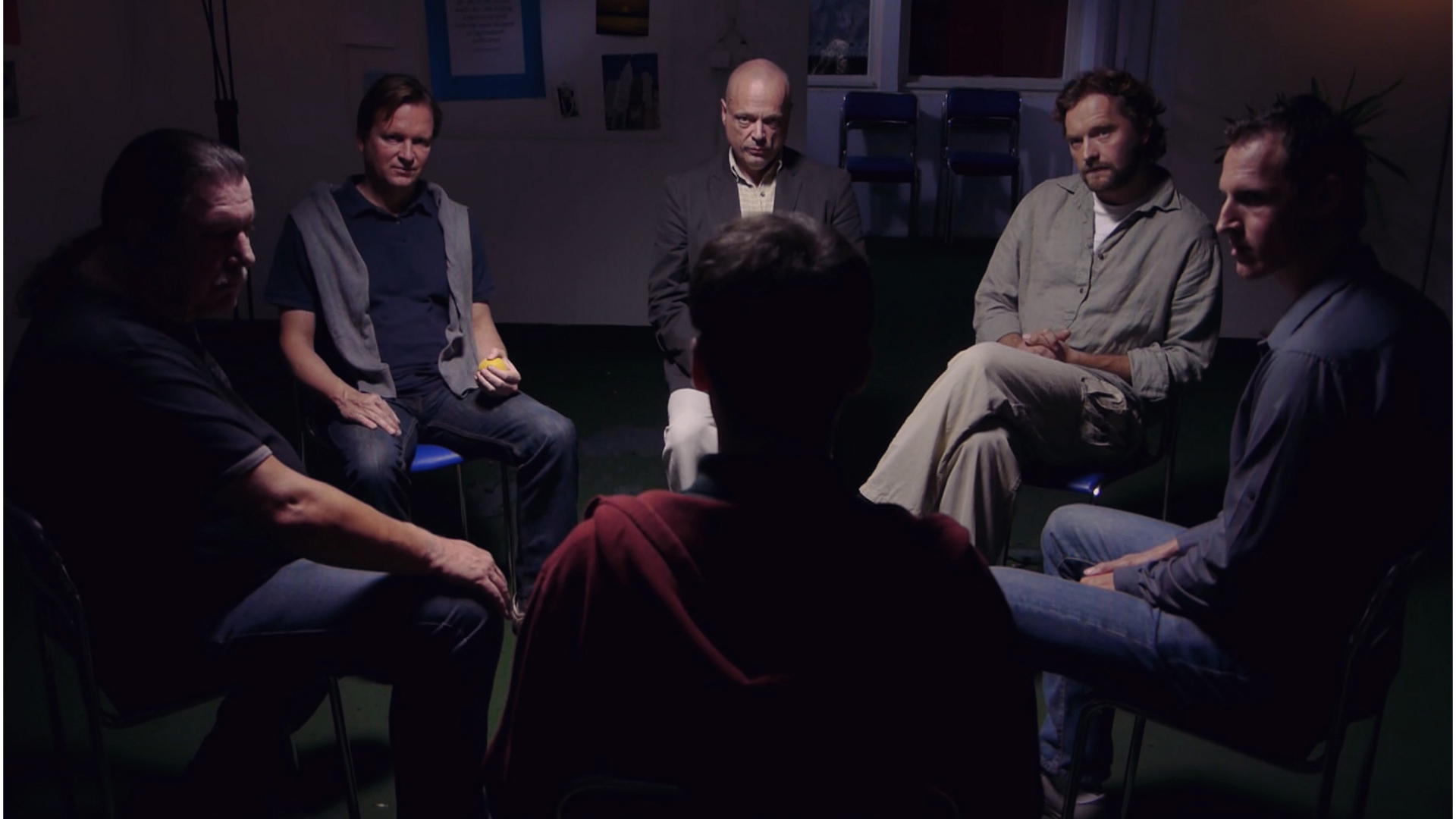
The spiritual foundations and primary purpose of Alcoholics Anonymous have always been centered on carrying the real message of recovery. However, as meetings have evolved, ensuring that message remains clear has become increasingly important. While two or three alcoholics gathered together can call themselves an AA group, the effectiveness of their message depends on staying true to the Big Book and avoiding outside influences.
Following a structured meetings format to protect the integrity of AA, members must focus on sharing their experience with the 12 Steps, rather than offering self-help advice or philosophies from other affiliations. While alcohol is a drug, the message of recovery in AA is specifically designed for those who suffer from alcoholism as specifically defined generally in its literature. By maintaining this focus, we preserve what has worked for countless real alcoholics before us.
Sponsorship and Sticking to the Big Book
When choosing a sponsor, real alcoholics should seek someone who understands that requirement for membership is more than just attendance—it is about taking action. Sponsorship should be based on guiding newcomers through the 12 Steps, not personal opinions or outside therapeutic methods.
A sponsor should not diagnose or determine if a person is an abuser of alcohol or drugs—that is not their role. Instead, their responsibility is to help the newcomer see their condition through the lens of addiction explaining his health as outlined in the Big Book. By sticking to the spiritual foundations and primary purpose of the program, real alcoholics can find the transformation they need to live a life free of alcohol permanently.
Educating Newcomers Without Excluding Anyone
While it is important to preserve the integrity of the message, it is equally crucial to avoid acting as gatekeepers. If a friend or family member brings someone to AA, it is not our place to judge whether they belong—only they can make that determination. We generally leave that determination of whether someone is a real alcoholic up to them, rather than labeling them.
However, education matters. Perhaps the person is unsure whether they truly suffer from alcoholism. Rather than making assumptions, we share our experience so they can identify with it—or not. God does the judging, not us. If someone finds that AA is not their solution, that is okay. But if they are truly one of us, ensuring they hear the real message can be the difference between life and death.
Conclusion: The Real Message of Tradition 3 Alcoholics Anonymous
The founding fathers of A.A. designed Tradition 3 to ensure that anyone seeking help could find it, but they also understood the need for discernment. Breaking down Tradition 3 reveals that while perhaps the word membership sounds open-ended, the true purpose of AA remains focused on those who suffer from real alcoholism.
If you believe this tradition is important, it is your responsibility to seek and share the message that saves lives. Are you hearing the truth about alcoholism? More importantly, are you carrying that truth to those who desperately need it? Lives depend on it.

Adam Vibe Gunton is an American author, speaker and thought leader in addiction treatment and recovery. After overcoming homelessness and drug addiction, Adam found his life’s purpose in helping addicts find the same freedom he found. As Founder and Executive Director of the 501(c)3 nonprofit, Recovered On Purpose, and Managing Partner of Behavioral Health Partners, Adam has helped thousands find freedom from addiction all over the world.