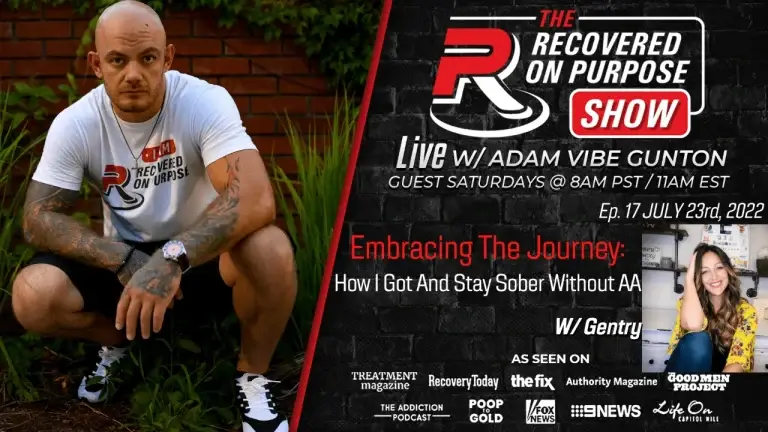
Recovery is not a one-size-fits-all journey. While 12-step fellowships have helped millions achieve lasting sobriety, they are not the only path to freedom from addiction. Many individuals, like Gentry, have found ways to get sober and stay sober without Alcoholics Anonymous (AA) by focusing on self-discovery, mental health, and building a strong, supportive community.
In this article, we’ll explore alternative approaches to sobriety, the power of personal growth and community, and how embracing the journey can lead to a fulfilling and joyful sober life.
Finding Sobriety Without AA: A Different Path to Recovery
The Decision to Get Sober Without a 12-Step Program
For many, the first step toward sobriety is admitting that alcohol or drugs no longer serve them. This realization often comes after years of struggles, failed attempts at moderation, and emotional turmoil. Gentry, like many others, chose to get sober on her own terms—without AA—by focusing on self-education, mental health, and personal growth.
Some reasons people seek alternatives to AA include:
- Not resonating with the spiritual aspect of the 12 steps.
- Preferring a self-directed recovery approach.
- Seeking more flexibility in their methods of healing.
- Wanting to explore alternative support systems outside of traditional meetings.
Instead of working the 12 steps, Gentry took a deep dive into understanding addiction, mental health, and personal development. She committed to learning how to live sober without the framework of AA and found tools that worked specifically for her.
The Role of Personal Responsibility in Self-Guided Sobriety
One of the biggest challenges of recovering without a structured program is maintaining personal accountability. AA provides a built-in system of sponsorship, step work, and meeting attendance, but those who choose a different path must take responsibility for:
- Recognizing and addressing their triggers.
- Seeking out information and resources for continued learning.
- Building a personal routine that reinforces sobriety.
For Gentry, taking ownership of her recovery was essential. She created a daily routine that prioritized mental, emotional, and physical well-being—ensuring that she remained grounded in her sobriety every single day.
Alternative Recovery Methods: What Works Outside of AA?
Building a Sober Support System
Sobriety can be isolating without the right community. While AA provides fellowship, those who don’t attend meetings must seek support in other ways. Gentry built a support network through social media, online communities, and personal connections—proving that connection is possible without traditional recovery groups.
Ways to create a sober support system outside of AA include:
- Engaging in sober online communities (Facebook groups, Reddit, Instagram, TikTok).
- Finding mentors or sober friends who align with your values.
- Participating in wellness activities that promote sobriety (yoga, meditation, fitness groups).
Gentry’s journey highlights that recovery doesn’t require a physical meeting space—it requires intentional connection with like-minded individuals.
Therapy and Mental Health Support
Many who struggle with addiction also face underlying mental health challenges, such as anxiety, depression, or trauma. Therapy can play a crucial role in healing, especially for those not following a 12-step program.
Some effective therapy approaches for addiction recovery include:
- Cognitive Behavioral Therapy (CBT) – Helps reframe negative thought patterns and manage triggers.
- Dialectical Behavior Therapy (DBT) – Focuses on emotional regulation and distress tolerance.
- Trauma Therapy (EMDR, Somatic Therapy) – Addresses past wounds that contribute to addiction.
For Gentry, prioritizing her mental and emotional well-being was just as important as quitting alcohol. Seeking therapy and self-help resources provided her with tools to cope without relying on substances.
Holistic Approaches to Sobriety
A growing number of people are turning to holistic methods to maintain sobriety, incorporating physical, spiritual, and emotional well-being into their recovery. Some common holistic approaches include:
- Meditation and mindfulness to reduce stress and increase self-awareness.
- Exercise and nutrition to support overall health and emotional stability.
- Journaling and self-reflection to track growth and identify triggers.
By taking a whole-body approach to recovery, many individuals find they can maintain long-term sobriety without traditional recovery programs.
The Power of Sharing Your Story and Inspiring Others
Using Social Media to Spread Hope
One of the most inspiring aspects of Gentry’s journey is how she turned her sobriety into a source of inspiration for others. She built a platform that reaches over 100,000 people, proving that sharing one’s recovery story can have a massive impact.
Social media has become a powerful tool for those in recovery to:
- Find and connect with a sober community.
- Share experiences, challenges, and victories in real-time.
- Encourage those who are still struggling with addiction.
By being open about her journey—the highs, the lows, and everything in between—Gentry has helped others feel less alone in their own recovery paths.
The Importance of Honesty and Vulnerability
One of the most powerful aspects of sharing a recovery story is the authenticity behind it. People connect with real experiences, not just polished success stories.
Some key benefits of being open about sobriety include:
- Breaking the stigma surrounding addiction.
- Encouraging others to seek help and explore different recovery options.
- Holding yourself accountable by living in transparency.
By embracing her role as a sober single mom, Gentry has shown that recovery is possible, no matter the circumstances.
Helping Others Find Joy in Sobriety
Many people fear that getting sober will make life boring. However, Gentry’s approach proves otherwise—she promotes having fun, building confidence, and embracing life fully without alcohol.
Ways to bring joy into sober living include:
- Exploring new hobbies and passions.
- Traveling and experiencing life with a fresh perspective.
- Building relationships that thrive on authenticity rather than substances.
Sobriety isn’t about deprivation—it’s about gaining a new, fulfilling life.
Staying Sober Long-Term: Key Strategies for Lasting Recovery
Creating a Sustainable Routine
One of the biggest challenges in long-term recovery is maintaining consistency. Without a structured program like AA, it’s essential to build daily habits that support sobriety.
Some key elements of a sober routine include:
- Morning mindset practices (prayer, gratitude, meditation).
- Healthy lifestyle choices (exercise, nutrition, sleep).
- Accountability check-ins with sober friends or mentors.
Consistency in these practices makes it easier to stay grounded and focused in recovery.
Avoiding Complacency and Staying Motivated
As sobriety progresses, it’s easy to become comfortable and less vigilant. However, maintaining motivation is crucial for long-term success.
Some ways to avoid complacency include:
- Continuing to educate yourself about addiction and mental health.
- Setting new personal and professional goals.
- Staying engaged with the recovery community.
Sobriety is a lifelong journey, and staying active and intentional in personal growth helps keep recovery strong.
Giving Back and Helping Others
One of the best ways to maintain sobriety is by helping others on their journey. Whether through mentorship, volunteering, or simply sharing your story, giving back provides a sense of purpose that strengthens recovery.
Gentry’s success in impacting thousands through social media is proof that using your experience to help others can be both fulfilling and transformative.
Conclusion: Embracing Your Own Recovery Journey
Recovery is not a one-size-fits-all path. Whether through AA, therapy, holistic methods, or self-guided healing, the key is finding what works for you.
Gentry’s story is a testament to the fact that sobriety is possible without a 12-step program. By embracing personal growth, community, and purpose, anyone can build a meaningful, joyful, and lasting sober life.
The most important thing is to keep moving forward—one day at a time.

Adam Vibe Gunton is an American author, speaker and thought leader in addiction treatment and recovery. After overcoming homelessness and drug addiction, Adam found his life’s purpose in helping addicts find the same freedom he found. As Founder and Executive Director of the 501(c)3 nonprofit, Recovered On Purpose, and Managing Partner of Behavioral Health Partners, Adam has helped thousands find freedom from addiction all over the world.