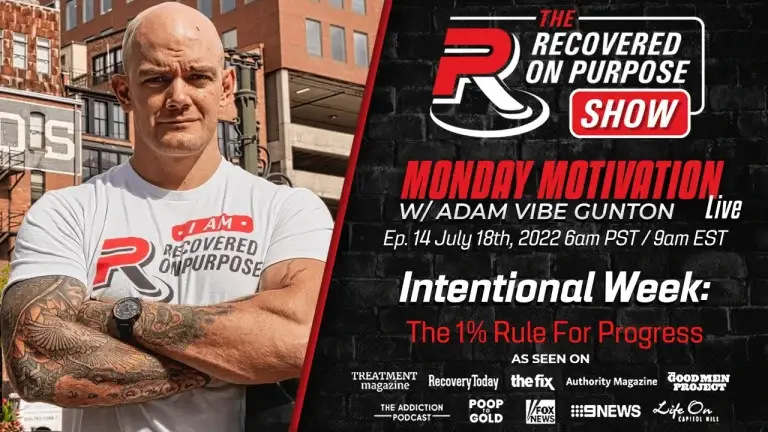
Why Small Daily Improvements Lead to Big Success
Understanding the Power of the 1% Rule
The 1% Rule is the idea that small, daily improvements lead to significant long-term success. Instead of focusing on massive transformations overnight, the key is consistency—doing one small thing better today than you did yesterday. This concept is deeply tied to Step 10 of the 12 Steps, which encourages us to take a daily inventory and continue improving ourselves.
Many people in recovery struggle with perfectionism, thinking that if they don’t change everything at once, they’re failing. But real success comes from steady, incremental progress. If you improve by just 1% each day, over time, that effort compounds into massive transformation.
The Science Behind Small, Consistent Growth
Psychologists and neuroscientists have found that habits shape our identity. The brain strengthens neural pathways based on repetition, meaning that small, positive actions reinforce new behaviors over time.
For example:
- Choosing gratitude over resentment (which ties into Step 4 and Step 10 in addressing resentments) rewires your brain to seek positivity.
- Attending one extra meeting per week strengthens your recovery routine.
- Praying or meditating daily reinforces a spiritual connection, aligning with Step 11.
This approach also plays a critical role in relapse prevention. Slow, steady growth builds resilience, so when cravings or challenges arise, you’re more prepared to handle them.
How the Compound Effect Works in Recovery
The Compound Effect, popularized by Darren Hardy, states that small choices accumulate over time, leading to exponential results. This is seen in recovery:
- Skipping one meeting might not seem like a big deal, but if it becomes a habit, complacency sets in.
- Conversely, making one small positive choice daily—whether it’s helping someone else (Tradition 5) or journaling—can create massive, lasting change.
The 1% Rule isn’t about perfection. It’s about steady progress, knowing that every small step forward keeps you on the path to lifelong recovery.
Applying the 1% Rule to Your Recovery Journey
Developing Daily Habits That Build Long-Term Success
Success in recovery doesn’t happen overnight—it’s built on small, consistent actions that create lasting change. Developing strong daily habits keeps you grounded and prevents complacency. Simple routines like starting the morning with prayer, meditation, or gratitude journaling reinforce a positive mindset and spiritual connection, aligning with Step 11.
Building discipline around recovery practices, such as calling a sponsor, attending meetings, or reading recovery literature, strengthens commitment over time. Even actions as small as making your bed or exercising regularly instill self-respect and structure, both of which are crucial for long-term sobriety.
The Role of Mindset in Daily Progress
Your mindset determines whether you view small improvements as insignificant or as powerful stepping stones. Shifting from an all-or-nothing mentality to embracing gradual growth fosters resilience. Step 3 teaches us to trust the process and surrender control—this includes accepting that success in recovery comes one day at a time rather than through immediate transformation.
Developing a growth mindset means recognizing setbacks as learning experiences rather than failures. This perspective shift helps prevent discouragement, allowing you to stay consistent even when progress feels slow.
Overcoming the Urge to Seek Instant Results
Addiction conditions the brain to crave immediate gratification, which is why many people in early recovery feel frustrated when they don’t see instant changes. The 1% Rule counteracts this by reinforcing delayed gratification and patience.
Instead of seeking quick rewards, focus on small victories—better sleep, improved relationships, or a clearer mind. Step 6 and Step 7 remind us that character development is an ongoing process. By committing to steady self-improvement, you break free from old patterns and build a fulfilling, sustainable recovery.
Practical Ways to Get 1% Better Every Day in Recovery
Strengthening Your Mental and Emotional Resilience
Resilience is built through consistent self-care and emotional awareness. In recovery, strengthening your mind and emotions means proactively managing stress, triggers, and negative thought patterns. Step 10 encourages a daily personal inventory, which helps identify emotional struggles before they turn into bigger issues.
One simple way to build resilience is to practice emotional regulation techniques. Deep breathing, mindfulness, and even short meditation sessions can reduce stress and improve clarity. Journaling about your emotions can help process difficult feelings rather than suppressing them.
Another key aspect of emotional resilience is self-compassion. Learning to forgive yourself for past mistakes while focusing on the present keeps you from being trapped in guilt or regret. Developing a mindset that views challenges as opportunities for growth ensures that setbacks don’t derail progress.
Small Actions to Improve Your Relationships
Strong relationships are a cornerstone of successful recovery. Addiction often damages trust, and repairing relationships takes consistent effort over time. Instead of expecting immediate forgiveness, focus on small, intentional acts that demonstrate reliability and sincerity.
Simple actions like checking in on a friend, listening without judgment, or offering encouragement can gradually rebuild trust. Practicing Step 9, making direct amends when appropriate, strengthens relationships and fosters healing.
Another way to improve relationships is by setting healthy boundaries. Learning to say no to toxic influences and prioritizing positive connections ensures that your support system remains strong. Engaging in fellowship, participating in service work (Tradition 7), and being available to help others deepens your sense of connection.
Setting Micro-Goals for Daily Growth
Setting large, overwhelming goals can feel discouraging, especially in early recovery. Instead, breaking aspirations into small, manageable steps makes progress feel achievable. This aligns with Step 1, recognizing that we don’t need to tackle everything at once—just the next right action.
For example, instead of saying, “I need to fix all my finances,” start with, “I will save $5 this week.” Instead of, “I will read the entire Big Book,” commit to reading one page a day. These micro-goals create momentum without feeling overwhelming.
Having daily or weekly goals related to physical health, spirituality, personal growth, and service work ensures a balanced recovery. Tracking small wins reinforces that progress is happening, even if it’s slow.
Tracking Progress to Stay Motivated
Motivation fluctuates, which is why tracking progress helps maintain momentum. Keeping a journal, checklist, or even a habit-tracking app provides visual proof that you are growing. Looking back at how far you’ve come can be incredibly motivating during difficult times.
A simple system like writing down three small wins each day—whether it’s attending a meeting, reaching out to a friend, or resisting a craving—keeps you focused on growth. Progress tracking also makes it easier to identify patterns and adjust strategies as needed.
The Power of Reflection and Gratitude
Reflection fosters self-awareness and helps reinforce positive behaviors. Taking a few moments at the end of each day to assess what went well and what could improve aligns with Step 11, which encourages prayer and meditation for clarity.
Gratitude is another powerful tool. Listing three things you’re grateful for daily can shift focus from what’s missing to what’s present. This practice not only improves mood but also strengthens emotional stability, reducing the likelihood of relapse.
By making these small, intentional efforts every day, the 1% Rule transforms your recovery into a lifelong journey of steady growth and fulfillment.
Overcoming Setbacks While Sticking to the 1% Rule
What to Do When You Miss a Day of Progress
Recovery isn’t about perfection—it’s about persistence. Missing a day of progress doesn’t erase all the work you’ve done. Instead of falling into self-judgment, acknowledge it, reflect on what caused the setback, and refocus on your next small step forward. Step 10’s daily inventory can help identify patterns that may have contributed, allowing you to adjust and prevent similar struggles in the future.
The key is to avoid an all-or-nothing mindset. Just because you missed a day doesn’t mean your progress is lost. Think of it like missing a workout—you don’t abandon your fitness goals because of one skipped session. Simply pick up where you left off and keep going.
Shifting Your Perspective on Failure
Many in recovery struggle with seeing setbacks as signs of failure, but a better approach is to reframe them as learning opportunities. Every challenge provides insight into what needs strengthening—whether it’s emotional regulation, boundaries, or daily habits.
Step 6 and Step 7, which focus on character growth and removing defects, remind us that change is a process. Instead of viewing mistakes as proof of weakness, use them as fuel for improvement. Ask yourself, What can I learn from this? rather than Why do I keep messing up?
Finding Support and Accountability in Recovery
Isolation can make setbacks feel overwhelming. Reaching out to a sponsor, mentor, or recovery group helps shift perspective and regain momentum. Tradition 1 emphasizes unity in recovery—leaning on others ensures you don’t have to navigate challenges alone.
Whether it’s an accountability partner, a homegroup, or a trusted friend, having someone to encourage you after a setback can make all the difference in maintaining long-term progress.
The Long-Term Rewards of Small, Consistent Actions
How the 1% Rule Creates a New Identity in Recovery
Recovery is more than just staying sober—it’s about becoming someone new. The 1% Rule fosters identity change by reinforcing positive behaviors until they become second nature. Over time, you no longer feel like someone struggling to stay clean—you become a person who naturally prioritizes health, purpose, and growth.
Each small, consistent action reshapes the way you see yourself. Making a commitment to show up for others, follow through on promises, or seek spiritual growth builds confidence in your ability to stay on this path. Step 12, which emphasizes carrying the message to others, further strengthens this identity by shifting the focus from self-preservation to service.
The Ripple Effect of Positive Change
Tiny improvements don’t just impact you—they create a ripple effect that influences everyone around you. When you make steady progress in recovery, you inspire others to do the same. Friends and family begin to see a transformation, and in many cases, your commitment to small, daily actions helps repair relationships that once seemed broken.
Beyond personal connections, your example can impact newcomers in recovery, coworkers, and even strangers. Simple acts like sharing an uplifting message, being dependable, or treating people with kindness can shift someone’s entire day. This is how personal growth turns into a legacy of positive change.
Why This Approach Leads to Sustainable, Lifelong Growth
Radical change often leads to burnout, but the 1% Rule allows you to grow at a pace that is both manageable and lasting. Instead of short bursts of motivation, steady progress creates deep-rooted habits that become a natural way of life.
By focusing on daily, incremental improvements, you eliminate the pressure of perfection and embrace lifelong transformation, making lasting recovery not just possible, but inevitable.

Adam Vibe Gunton is an American author, speaker and thought leader in addiction treatment and recovery. After overcoming homelessness and drug addiction, Adam found his life’s purpose in helping addicts find the same freedom he found. As Founder and Executive Director of the 501(c)3 nonprofit, Recovered On Purpose, and Managing Partner of Behavioral Health Partners, Adam has helped thousands find freedom from addiction all over the world.