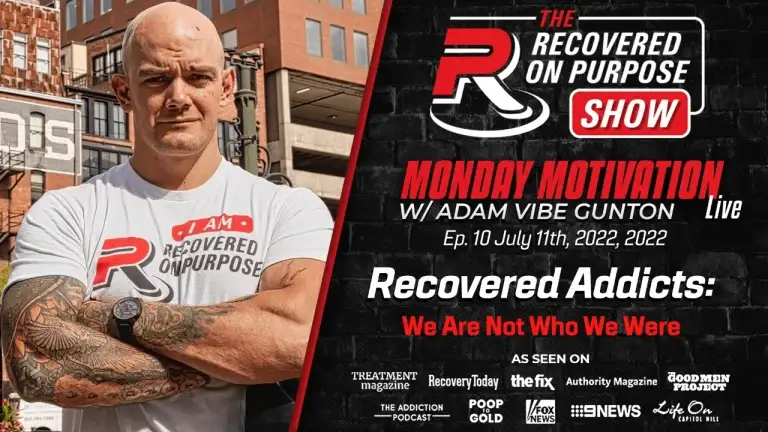
Recovered addicts, or recovering addicts? Recovery from addiction is not just a journey of sobriety; it’s a profound transformation of identity. For those who have battled the chains of drug and alcohol addiction, the label of “addict” can often feel like a permanent brand, a reminder of the darkest times in their lives. But recovery teaches us something powerful: we are not who we were.
The Identity Shift in Recovery
In the throes of addiction, the word “addict” can become the defining feature of one’s identity. It overshadows everything else—our dreams, our potential, our capacity to love and be loved. But as we step into recovery, we begin to shed that old skin. We learn that while addiction may have been a part of our story, it does not have to be the narrative that defines our future.
Recovery is about embracing a new identity—one that is not tethered to the past but is grounded in the present and future possibilities. It’s about recognizing that while we were once addicts, we have now moved into a state of being recovered. This shift in language reflects a deeper truth: we are no longer bound by the identity of addiction.
The Power of Helping Others
The journey of recovery is not just about personal healing; it’s also about helping others find their way out of the darkness. One of the most powerful ways to maintain our freedom from drugs and alcohol is by reaching out to those still struggling. When we offer our hand to someone in need, we reinforce our own recovery and strengthen our commitment to living a life of purpose and service.
Helping others is a cornerstone of staying recovered. It reminds us of where we came from and the hard work it took to get to where we are now. By being a beacon of hope for others, we affirm our own identity as someone who has overcome, who has healed, and who is committed to living a life free from the chains of addiction.
We Are More Than Our Past
It’s crucial to remember that our past does not define us. The mistakes we made, the people we hurt, and the pain we endured are all part of our story, but they are not the whole story. In recovery, we learn to forgive ourselves, to make amends where we can, and to build a new life that reflects our true selves.
We are not just recovered addicts; we are people with dreams, talents, and a future full of possibilities. By continuing to do the work, staying connected to our recovery community, and helping others, we ensure that our past remains in the past, and our present and future are filled with hope, joy, and freedom.
The Importance of Ongoing Work

Recovery is not a one-time event; it’s a lifelong process. It requires ongoing work, reflection, and a commitment to personal growth. By staying engaged in our recovery, whether through meetings, therapy, or helping others, we continue to build the foundation that keeps us strong and free from the temptations of our old life.
The work we do in recovery is what keeps us in the state of being recovered. It’s what allows us to stand firm in our new identity and to move forward with confidence and clarity. As long as we continue to do the work, we remain free—free from the identity of “addict” and free from the substances that once controlled our lives.
Conclusion About our Identity as Recovered Addicts
We are not who we were. The label of “addict” no longer defines us. In recovery, we have the opportunity to create a new identity, one that is rooted in healing, service, and ongoing growth. By helping others and continuing to do the work, we ensure that we remain recovered and free from drugs and alcohol. Our past is a part of us, but it does not define us. We are stronger, wiser, and more compassionate because of our journey, and we are committed to living a life of purpose and freedom.

Adam Vibe Gunton is an American author, speaker and thought leader in addiction treatment and recovery. After overcoming homelessness and drug addiction, Adam found his life’s purpose in helping addicts find the same freedom he found. As Founder and Executive Director of the 501(c)3 nonprofit, Recovered On Purpose, and Managing Partner of Behavioral Health Partners, Adam has helped thousands find freedom from addiction all over the world.