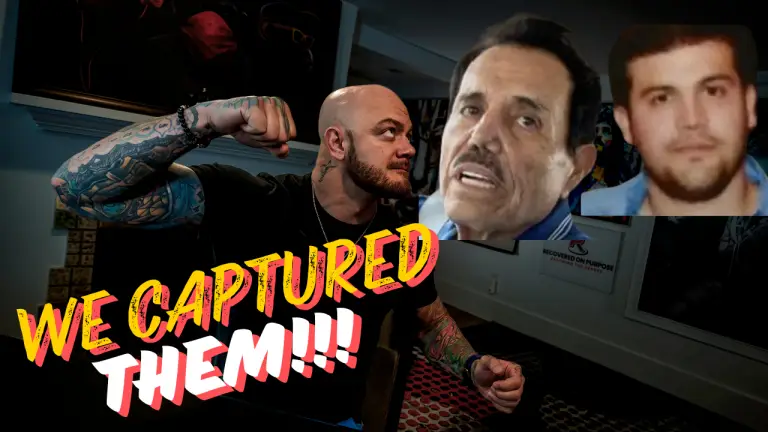
This past Thursday July 25th, 76 year old co-founder of the Sinaloa Cartel, Ismael “El Mayo” Zambada, was lured into a plane by Joaquin Guzman Lopez, the son of the infamous El Chapo Guzman that is being held on a life sentence right here in my home state of Colorado. According to sources from CNN, Guzman Lopez had Zambada board the plane under the assumption that they were going to look at a piece of land in Mexico to purchase.
Instead, the plane landed on this side of the border within the United States and when those doors opened, both men were arrested without incident. This man specifically, along with the rest of his organization founded in Sinaloa in the 1980’s, has been responsible for a vast amount of the cocaine, heroin, methamphetamine and fentanyl that has hit the streets in the United States killing 100’s of 1,000’s of Americans.
A Power Struggle Within the Ranks of the Sinaloa Cartel
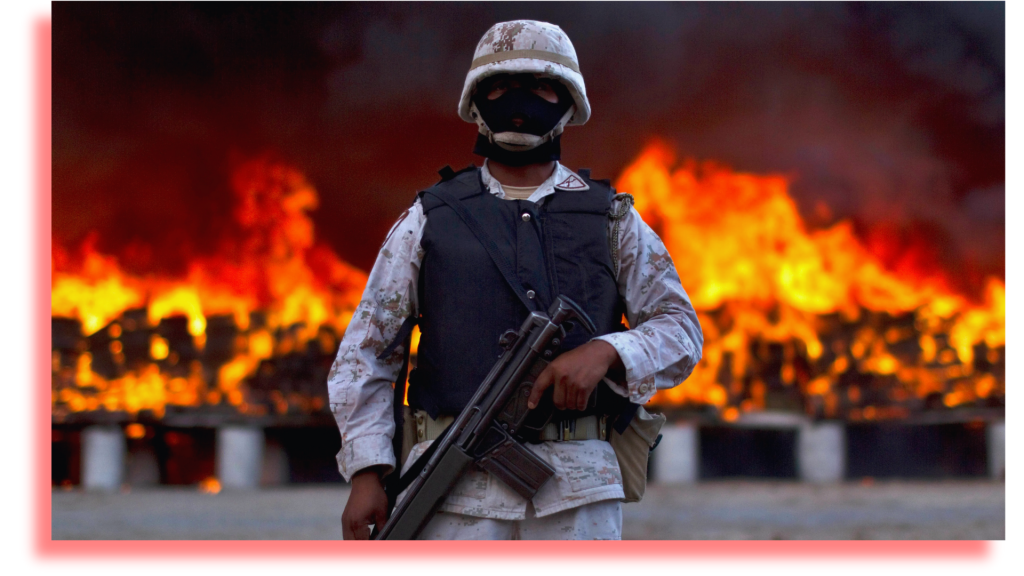
There has been a power struggle in recent years between Zambada and El Chapo’s sons, also known as the Chapitos. I don’t know the way it works for a cartel leader to lure himself and another leader to the United States to be arrested, but we may never know what our own government is really up to in order to make this arrest possible.
The President of Mexico released a statement at a news conference saying the US must give a full and transparent report on the operation that led to the arrests. He also pointed back at the US and said we need to do better with solving the consumption problem by addressing the causes.
Although I agree with us needing to help our population more, and us in recovery needing to stand up and help prevention efforts here in the US, I point a different finger back at anyone who hides, partners with, or defends an organization that traffics drugs meant to addict us and traffics people and even children for sex slavery.
We need to stand up in the US and help people get off of this crap killing so many of us, and the war on drugs in America needs to stop being against our own citizens for using these drugs, but be directed at the real perpetrators bringing the drugs here.
Yes, I said it. This is a big win, but we should be doing more against this organization and a life to the age of 76 before anything happening to this sick and evil individual is not enough for me to say we are winning. Remember, this man also tortures and murders families for his organization to instill fear in people.
A Grim Introduction to the Sinaloa Cartel’s Reign
The Sinaloa Cartel, once a shadowy underworld entity, has cast a long and deadly shadow over countless lives worldwide. For crime enthusiasts and those in the addiction recovery community, understanding its operations and impact is essential. This blog post aims to shed light on the cartel’s dark legacy, exploring its history, international reach, and the devastating human cost.
Tracing the Origins and Rise of the Sinaloa Cartel
Founded in the late 1980s, the Sinaloa Cartel rose to prominence under the leadership of notorious figures like Joaquín “El Chapo” Guzmán. It quickly became one of Mexico’s most powerful and influential criminal organizations. With its strategic operations hub in Sinaloa, Mexico, the cartel extended its tentacles far beyond national borders.
From its inception, the cartel’s primary focus was drug trafficking. Utilizing sophisticated smuggling techniques, advanced communication systems, and ruthless enforcement methods, it built an empire that rivaled any legitimate multinational corporation. The Sinaloa Cartel’s vast resources and intricate network allowed it to dominate the global drug trade.
The Cartel’s Role in International Drug Trafficking
The Sinaloa Cartel’s primary commodity has always been drugs. Cocaine, methamphetamine, heroin, and marijuana are just some of the substances it traffics globally. By establishing supply routes across the Americas, Europe, and Asia, the cartel ensured a steady flow of narcotics into the hands of millions.
The financial rewards of this trade are staggering. The United Nations Office on Drugs and Crime estimates that the global drug market generates hundreds of billions of dollars annually. The Sinaloa Cartel controls a significant portion of this market, ensuring its continued influence and power.
However, the cartel’s operations have far-reaching implications. Countries such as the United States, Canada, and various European nations have faced increased drug-related crime, overdose deaths, and strained healthcare systems due to the influx of narcotics from Sinaloa-controlled supply chains.
The Human Cost of the Sinaloa Cartel’s Empire
While the Sinaloa Cartel’s financial gains are immense, the human cost is even more profound. Drug addiction devastates families, ruins careers, and leads to untold suffering. Overdose deaths are a grim testament to the cartel’s lethal reach.
The Centers for Disease Control and Prevention (CDC) reports that nearly 841,000 people in the U.S. have died from drug overdoses since 1999. A significant percentage of these deaths are linked to substances trafficked by the Sinaloa Cartel. This figure highlights the cartel’s role in an ongoing public health crisis.
Beyond addiction and overdose, the financial burden on healthcare systems is enormous. Treating addiction, managing overdoses, and providing mental health support strain resources already stretched thin. This burden impacts everyone, from taxpayers to healthcare providers.
Law Enforcement’s Battle Against the Sinaloa Cartel

Governments and law enforcement agencies worldwide have invested substantial resources in combating the Sinaloa Cartel. High-profile arrests, extensive investigations, and coordinated international efforts have led to some success. However, the cartel’s adaptability and deep-rooted networks make it a formidable adversary.
The arrest of Joaquín “El Chapo” Guzmán in 2016 was a significant victory. Yet, the cartel continues to function, often filling power vacuums with equally ruthless leaders. This resilience underscores the need for sustained and multifaceted approaches to dismantling the cartel’s influence.
Collaborative efforts between countries, such as the Mérida Initiative between the U.S. and Mexico, aim to enhance security and reduce drug trafficking. Despite these initiatives, the Sinaloa Cartel remains a potent force, requiring ongoing vigilance and innovation from law enforcement.
Personal Stories from the Frontlines of Addiction and Recovery
The true impact of the Sinaloa Cartel is best understood through the stories of individuals affected by its operations. Survivors of addiction, family members of victims, and those in recovery share harrowing tales of struggle and resilience.
Consider Maria, a mother who lost her son to a heroin overdose. Her story highlights the ripple effect of addiction, illustrating how one life lost can devastate an entire family. Her advocacy for stricter drug enforcement and better support for addiction recovery programs stems from personal tragedy.
Then there’s John, a recovering addict who used drugs trafficked by the Sinaloa Cartel. His battle against addiction, marked by relapses and recovery milestones, is a testament to human strength. John’s involvement in community support groups underscores the importance of accessible resources for those struggling with addiction.
The Future of the Sinaloa Cartel and Global Drug Trade
Looking ahead, the fight against the Sinaloa Cartel and similar organizations is far from over. Technological advancements, evolving smuggling techniques, and shifting geopolitical landscapes all influence the future of global drug trafficking.
Emerging trends, such as the rise of synthetic drugs like fentanyl, pose new challenges. The Sinaloa Cartel’s ability to adapt to these trends ensures its continued relevance and threat. Addressing these issues requires innovative strategies, international cooperation, and a commitment to tackling the root causes of drug demand and supply.
Experts suggest that fostering economic development and reducing poverty in drug-producing regions can mitigate the cartel’s influence. Additionally, investing in education and prevention programs can reduce demand for illicit drugs, thereby weakening the cartel’s market.
Supporting Anti-Drug Initiatives and Addiction Recovery Programs
Combatting the Sinaloa Cartel and its devastating impact requires a multifaceted approach. Supporting anti-drug initiatives and addiction recovery programs is crucial. By addressing both supply and demand, we can create a more comprehensive strategy to mitigate the cartel’s influence.
Organizations like the National Institute on Drug Abuse (NIDA) and the Drug Policy Alliance work tirelessly to promote effective drug policies and support recovery programs. Engaging with and supporting these organizations can amplify their impact.
For individuals, volunteering, donating, or advocating for policy changes are tangible ways to contribute. Each action, no matter how small, helps build a collective effort against the destructive forces of drug cartels like the Sinaloa Cartel.
Conclusion for the “War on Drugs”
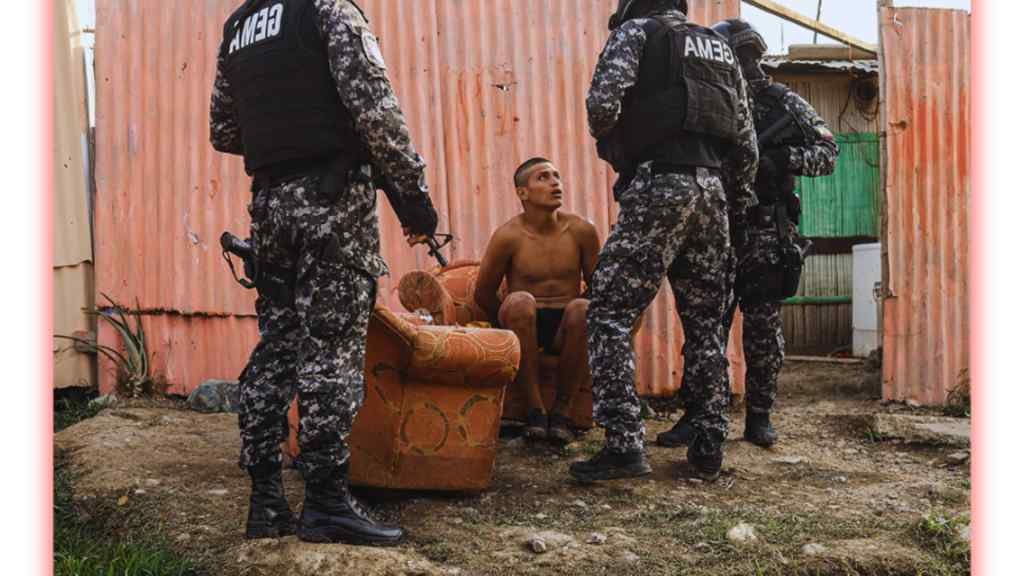
The Sinaloa Cartel’s legacy is one of power, profit, and profound human cost. By understanding its operations, impact, and the ongoing efforts to combat it, we gain insight into a complex and pressing issue.
For crime enthusiasts, this exploration offers a deeper look into the workings of a notorious criminal organization. For those in the addiction recovery community, it underscores the importance of support and resilience in the face of adversity.
Together, we can support anti-drug initiatives, advocate for better policies, and offer a lifeline to those affected by addiction. By doing so, we honor the memory of those lost and work towards a future free from the grip of drug cartels.
If you or someone you know is struggling with addiction, don’t hesitate to seek help. Resources are available, and recovery is possible. Let’s stand together against the forces that seek to destroy lives and communities.

Adam Vibe Gunton is an American author, speaker and thought leader in addiction treatment and recovery. After overcoming homelessness and drug addiction, Adam found his life’s purpose in helping addicts find the same freedom he found. As Founder and Executive Director of the 501(c)3 nonprofit, Recovered On Purpose, and Managing Partner of Behavioral Health Partners, Adam has helped thousands find freedom from addiction all over the world.