
What exactly is a spiritual experience according to the AA Big Book? Is it a lightning bolt from a higher power, or something more subtle? The spiritual experience AA Big Book talks about isn’t always a dramatic religious experience—sometimes, it’s an educational variety that happens gradually, quietly transforming your life.
In Appendix II, the Big Book describes it as a personality change sufficient to bring about recovery—a profound alteration in how we see and engage with the world. Whether it’s sudden or slow, it often starts when we open ourselves to a power greater than ourselves and become willing to explore our own conception of God.
In this article, we’ll break down the Big Book’s definitions, spiritual experiences from real people, and how to recognize such a change when it happens. As someone who has lived this path, had a few moments I could never fake, and presently identify as recovered—this is personal.
What Is a Spiritual Experience? (And What It Isn’t)

When most people hear the term spiritual experience, their minds jump to dramatic encounters—visions, audible voices, emotional highs, or a feeling of overwhelming light. Maybe they picture someone shaking at an altar or having a tear-filled religious experience in church. But in Alcoholics Anonymous, the truth is much broader—and much deeper.
The Big Book defines a spiritual experience as “a personality change sufficient to bring about recovery from alcoholism.” That means the event isn’t always outwardly visible. It’s not about fireworks—it’s about a profound alteration in how we think, feel, and live. It’s when the power greater than ourselves actually starts changing the way we interact with the world and the people in it.
With few exceptions, members find that this shift doesn’t come from emotion alone. Instead, it’s the result of surrender, humility, and seeking a higher power on a daily basis. It isn’t a football game–style hype moment. It’s an internal reset of the soul.
And yet, spiritual experiences are not one-size-fits-all. Some are loud and immediate—others are slow and quiet. Appendix II of the Big Book was added after the first edition to help explain this wide range, and it continues to resonate in the fourth edition today.
What makes it even more personal is that AA doesn’t tell you who or what God must be. You’re encouraged to lean into your own conception of a power greater than yourself. There’s no mandate for religious belief—only an open mind and willingness to grow in your consciousness of something greater.
As someone who can presently identify moments in my life where such a change occurred, I can tell you this: It doesn’t always look how you heard it might. But when it happens, you’ll recognize it. The fear you lived with loses its grip. A new freedom begins to take root. And something in your essence shifts in a way that the rest of your life will never forget.
Up next, we’ll explore what Appendix II really says—and why it matters more than ever in understanding these spiritual experiences.
The Language of the Big Book: Appendix II Explained
Appendix II, introduced in the second printing of the first edition, was written to clarify what the founders meant by spiritual experience and spiritual awakening. Too many people misunderstood the term, thinking it always had to be a dramatic religious experience.
This section reassures readers that spiritual experiences come in many different forms. While some happen suddenly, many are of the educational variety—gradual shifts in awareness, relationship, and sense of connection to a higher power. Over time, people realize they’ve changed—not through one dramatic moment, but through a series of small awakenings.
Even in the fourth edition, the language holds firm: it’s not about theatrical emotion—it’s about transformation. Appendix II reminds us that every person’s own experience is valid, and that such a change is always possible for those who walk the Twelve Steps with honesty and hope.
Bill’s Story: A Spiritual Awakening That Sparked a Movement
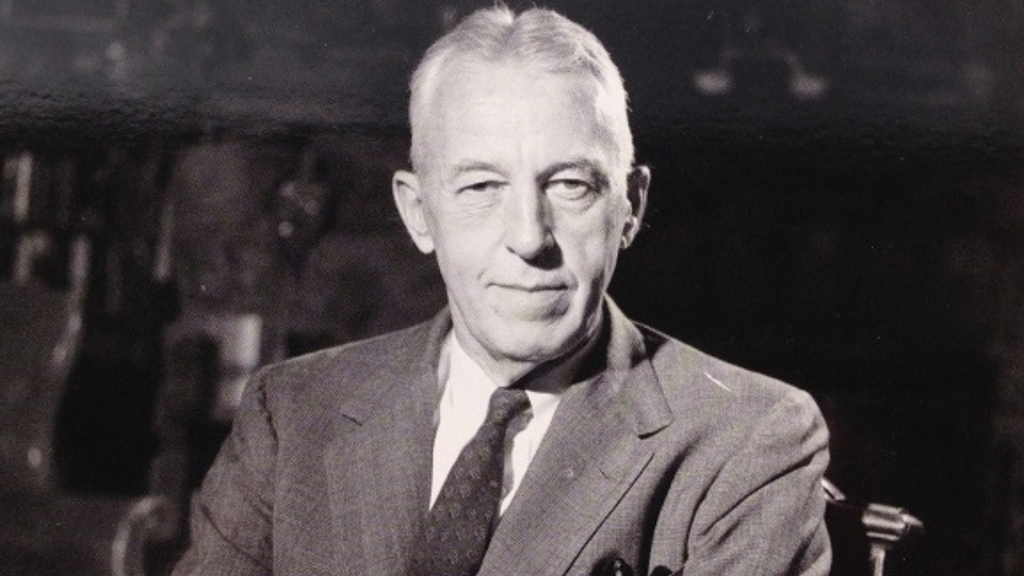
Bill’s story isn’t just the testimony of one man’s recovery—it’s the spark that lit the fire for what would become Alcoholics Anonymous. His spiritual awakening didn’t come after years of quiet meditation or slow progress. It came in a hospital room, broken and defeated, when he finally surrendered to the reality that he could not stop drinking on his own.
At the edge of despair, Bill Wilson called out for help—not to a specific religion, but to God, as he might understand Him. In that moment, something shifted. The room filled with light, and Bill later described feeling a sense of peace and purpose he’d never known. He didn’t just feel better—he realized he had been changed at the level of spirit.
This wasn’t just about temporary relief or emotional clarity. For Bill, the obsession to drink was gone. What happened to him would become the foundation for the Big Book’s core promise: that a personality change—sometimes sudden, sometimes slow—is the key to lasting recovery.
The Big Book doesn’t elevate Bill’s experience as the only valid one. In fact, it’s clear that, with few exceptions, members find their own journeys unique. But Bill’s surrender and transformation gave the movement a language to begin with—words that still resonate in the lives of alcoholics around the world.
His story revealed that such a change could happen not by force of will, but by release of control. By opening himself to God, he became a witness to grace, not a manufacturer of it. His example created a path forward for those desperate for freedom but convinced they could never achieve it.
Perhaps most importantly, Bill’s story reminds us that recovery isn’t earned—it’s accepted. Through his pain, surrender, and that blazing spiritual moment, millions have been shown the possibility of a new happiness and a life led by something greater.
The Moment That Changed Bill’s Life
In Bill’s Story, the Big Book records a pivotal experience that altered everything:
“Suddenly the room lit up with a great white light. I was caught up into an ecstasy which there are no words to describe… Then came the blazing thought: ‘You are a free man.’”
This was more than a bright light—it was the exact spiritual awakening the program later defines: the release of obsession, the birth of faith, the sudden freedom from the compulsion to drink. He didn’t decide to be different—he was different.
The moment was not a religious ritual, but a soul-level encounter with God. It was a one-time shift that became a lifetime mission. Bill didn’t need to explain it—he needed to live it. And from that one moment, a movement was born.
Real Stories of Spiritual Experiences in Recovery
Spiritual experiences don’t come with a script. They arrive in ways that often surprise us—interrupting despair, slipping into silence, or crashing through resistance. The spiritual experiences stories below show how different recovery paths can reveal the same deeper truth: there is a presence greater than ourselves, and it meets us exactly where we are.
The IHOP Jesus Encounter
On Day 5 of sobriety, I sat in an IHOP, dope-sick, shaking, and trying to force down French toast. That’s when it happened. Time seemed to pause, and there He was—Jesus, standing in front of me. Not imagined. Not symbolic. I knew it was Him. I felt it in my body, in my spirit, and in my consciousness. And yet—even after that divine encounter—I still wanted to use. Why? Because I hadn’t yet taken action. That moment showed me God was real. But the personality change? That came later.
The Sponsor Jeep Moment
Twenty days later, after doing my first thorough Fifth Step—unloading the weight of my past—I woke up different. My sponsor picked me up at dawn in his old Jeep, just like every morning. As the sun rose, something within me shifted. The obsession to drink was gone. I wasn’t fighting. I wasn’t fantasizing. I was free. There was no dramatic vision—just peace. A stillness I had never known. It was like the essence of my soul had been restored. I hadn’t earned it—I had prepared for it. That day, I stepped into a new existence.
The Atheist in the Coffee Shop
I once met with a sponsee who proudly called himself an atheist. He’d read the literature, but he laughed at the idea of a higher power. One day, while we read We Agnostics together, he paused mid-sentence, hand lifted, words frozen. His eyes locked on mine and he whispered, “I feel Him.” It was undeniable. The room didn’t glow, but the spirit was there. Without a sermon, without pressure, God had introduced Himself. That man walked out a different person—not because he had facts or knowledge, but because he had a moment of awareness that changed everything.
The Educational Variety: Becoming the Light Over Time
Some spiritual experiences unfold slowly—like morning light easing into a dark room. One of my sponsees never described a single defining moment. There were no tears, no revelations, no divine visitations. But week after week, as he worked the Steps, made his amends, and rebuilt trust with his family, I watched a man transform.
His thinking softened. His nature shifted. He began responding with grace instead of anger. He served others without being asked. Over time, he didn’t just recover—he became someone entirely new. That’s the educational variety of spiritual experiences: when you realize you’ve become the kind of person you never thought could exist. No fireworks—just freedom.
How the Big Book Prepares You for a Spiritual Awakening
A spiritual awakening doesn’t begin with emotion—it begins with action. The Big Book lays out the Twelve Steps not as rituals, but as a structured method of alignment between our consciousness and a Power greater than ourselves. They’re not there to help us feel better—they’re there to help us live differently.
By the second printing of the Big Book, it was already clear that awakenings come in many different forms. The founders included Appendix II to address misconceptions, reaffirming that a spiritual awakening can be sudden, subtle, or anywhere in between. But what matters most is not the feeling—it’s the transformation.
Step Five—admitting “to God, to ourselves, and to another human being the exact nature of our wrongs”—is often the point where people first experience a shift. It strips away secrets and shame, clearing space in our awareness for something sacred to move in. It’s not the confession that changes us—it’s the willingness to be fully known, without hiding.
Step Nine—making direct amends wherever possible—is perhaps the most tangible act of spiritual alignment. Facing the damage we’ve caused isn’t about punishment. It’s about stepping back into integrity. When we stop running from the fear of consequences and take ownership, something changes deep within our nature. The courage it takes to make those calls, knock on those doors, and look others in the eye with sincerity—that courage creates space for God to restore what was broken.
And then there’s Step Eleven, the daily practice of seeking through prayer and meditation to improve our conscious contact with God, “as we understood Him.” This isn’t about finding the perfect words or achieving some elevated mental state. It’s about showing up with an open mind and heart, inviting direction and peace. It’s the daily return to a relationship with the Father—not for blessings, but for guidance. It’s where our idea of a spiritual life becomes lived reality.
William James’ Varieties of Religious Experiences influenced much of the Big Book’s view on spiritual matters. His writings emphasized that such thing as a real, internal shift—a personal encounter with the Divine—is not exclusive to mystics or saints. It’s available to those who seek sincerely and show up for the work.
In the end, the spiritual awakening the Big Book describes isn’t just a one-time revelation—it’s an ongoing recalibration of heart, mind, and spirit. The Twelve Steps aren’t a means to conjure a spiritual high—they’re a path to consciousness, to truth, and to freedom.
How to Create the Space for a Spiritual Experience
You can’t schedule a spiritual experience. But you can clear the space where one is most likely to occur.
The Big Book doesn’t present awakening as a reward for perfection—it presents it as a result of positioning. A posture of willingness, built on honesty, action, and surrender, is the foundation for encountering God in a way that initiates real transformation.
Willingness begins when we admit we don’t have all the answers. That simple idea—that there may be a Power who can do for us what we cannot do for ourselves—isn’t weakness; it’s wisdom. It’s also the seed of consciousness that leads to spiritual growth.
There’s no shortcut to a spiritual awakening, but there are specific practices that foster fertile ground for it:
- Inventory invites truth. When we search our hearts and motives fearlessly, we become aware of the blocks separating us from God.
- Service shifts our focus outward. By helping others, we align with divine purpose—not for recognition, but for restoration.
- Prayer and meditation are daily acts of humility. They open the channel between us and God, not to manipulate outcomes, but to invite presence and guidance.
These actions aren’t steps toward earning grace—they’re about becoming ready to receive it.
A personality change doesn’t always strike like lightning. Sometimes, it’s a quiet shift in awareness—a moment where the obsession is gone, or a new thought enters where old patterns used to live. That awakening may arrive in a flash or unfold over weeks of unseen growth.
It’s vital to remember: your spiritual experience may not look like anyone else’s. It might be a moment of sobbing release. Or a still silence you never noticed before. Or a growing sense of peace that wasn’t there last month. No version is better than another. Each is sacred in its own right.
What matters most is readiness. A willingness to surrender your control, to act in faith, and to stay honest when it’s uncomfortable. That’s how God meets us—not when we’ve figured everything out, but when we’re finally willing to let Him in.
The spiritual journey is less about finding an event and more about walking into a life. And in that walk, you just might awaken in ways you never imagined.
Why Spiritual Experiences Still Matter in the Fourth Edition
Though decades have passed since the Big Book first guided people into recovery, the fourth edition still carries the same power, the same promise, and the same Spirit that transformed Bill’s story into a movement.
The language may have adapted, the stories may have expanded—but the message is unchanged: God is not limited by era or edition. The awareness of a greater presence, the experience of an awakening, and the evidence of a personality change are just as available to readers today as they were to those who cracked open the first edition in 1939.
What made those early experiences real wasn’t their drama—it was their depth. And that depth is still accessible. Not through chasing emotion, but by cultivating humility, honesty, and consistent action. The goal isn’t to feel something spectacular—it’s to encounter something sacred.
God hasn’t stopped speaking. He hasn’t gone silent in this generation. He still answers the sincere heart. Still shows up in Step Five. Still fills the room during prayer. Still removes the obsession when we surrender.
The fourth edition continues to be a living invitation—not to read about others’ awakening, but to experience one of your own. You don’t need to force it. Just keep seeking. God meets the willing.
And when it happens—when you recognize the shift, feel the clarity, or finally let go—you’ll know: the awakening is real. And it was always waiting.

Adam Vibe Gunton is an American author, speaker and thought leader in addiction treatment and recovery. After overcoming homelessness and drug addiction, Adam found his life’s purpose in helping addicts find the same freedom he found. As Founder and Executive Director of the 501(c)3 nonprofit, Recovered On Purpose, and Managing Partner of Behavioral Health Partners, Adam has helped thousands find freedom from addiction all over the world.