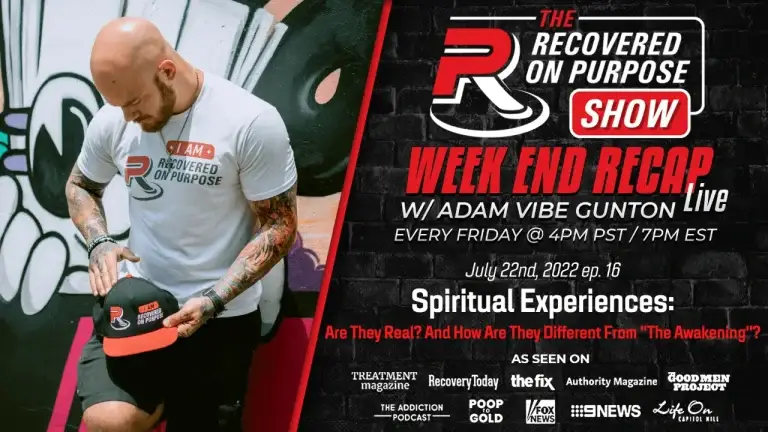
Understanding Spiritual Experiences: What Are They?
Defining a Spiritual Experience
A spiritual experience is a moment of profound connection with God or a higher power. These experiences can take many forms, including:- A sudden realization that changes the course of your life.
- A deep sense of peace or presence in a moment of crisis.
- A physical or emotional response that feels outside of normal perception.
Biblical and Historical Accounts of Spiritual Experiences
Spiritual experiences are not exclusive to modern times. The Bible is filled with stories of people who encountered God in dramatic and life-changing ways:- Moses and the burning bush (Exodus 3:1-6) – A direct, supernatural encounter with God that changed the course of his life.
- Paul’s conversion on the road to Damascus (Acts 9:3-9) – A sudden, blinding light and the voice of Jesus transformed him from a persecutor of Christians to one of the greatest apostles.
How Spiritual Experiences Happen in Recovery
Many in recovery experience profound spiritual moments at unexpected times:- During a meeting when someone’s words seem to speak directly to their soul.
- In moments of deep struggle when a sudden feeling of peace or clarity arrives.
- Through prayer and meditation, when the presence of God feels tangible.
Spiritual Awakening vs. Spiritual Experiences: What’s the Difference?
What Is a Spiritual Awakening?
A spiritual awakening is not just a single moment—it is a shift in perspective that leads to lasting transformation. This is why Step 12 states:“Having had a spiritual awakening as the result of these steps, we tried to carry this message to alcoholics and to practice these principles in all our affairs.”A spiritual awakening is different from an experience because it:
- Changes how we see ourselves, God, and the world.
- Creates a lasting shift in values, behavior, and priorities.
- Leads to a deeper sense of purpose and a commitment to service.
The Role of Spiritual Awakening in Long-Term Recovery
A person may have many spiritual experiences, but until they lead to a deep and lasting change, they may not yet be considered an awakening. Step 2, which speaks of coming to believe in a Power greater than ourselves, often precedes an awakening by opening the heart to faith.Some signs that a spiritual awakening has taken root include:- Freedom from obsession over substances.
- A desire to serve others without expecting anything in return.
- A sense of inner peace, even in difficult times.
How to Recognize and Cultivate Spiritual Experiences in Recovery
Being Open to the Presence of God
Spiritual experiences often happen when we are open and seeking. Jesus says in Matthew 7:7,“Ask, and it will be given to you; seek, and you will find; knock, and it will be opened to you.”Some ways to invite spiritual experiences into your life include:
- Consistent prayer and meditation (Step 11) to seek God’s will.
- Journaling spiritual moments to recognize patterns and growth.
- Being present in meetings and conversations, looking for God in the words of others.
Recognizing the Subtle and the Profound
Not all spiritual experiences are dramatic. Some are quiet and gentle, like:- A feeling of overwhelming love and acceptance after making amends (Step 9).
- A moment of deep insight while reading scripture.
- A sudden shift in attitude that removes resentment or fear.
Avoiding Counterfeit Spiritual Experiences
Not everything that feels powerful is from God. Step 4, which involves a fearless moral inventory, helps us discern between genuine spiritual guidance and emotions that may be misleading.To test if an experience is truly from God, ask:- Does this experience align with scripture and truth?
- Does it produce peace, love, and clarity rather than confusion?
- Does it lead to humility and service, or does it feed pride?
The Purpose of Spiritual Experiences in Recovery
Encouraging Faith and Trust in God
Spiritual experiences are often God’s way of confirming His presence and guidance. They help:- Strengthen faith in times of doubt.
- Provide reassurance in moments of uncertainty.
- Renew commitment to walking the path of recovery.
Leading to Growth and Transformation
Every genuine spiritual experience moves us forward in some way. Whether it’s a moment of conviction, joy, or deep reflection, it shapes who we are becoming.Step 6 and Step 7—removing character defects and asking God to shape us—are often tied to spiritual experiences that reveal what still needs to change.Growth happens when we:- Accept correction and redirection from God.
- Remain humble and willing to learn.
- Take action on what we’ve been shown.
Inspiring Others Through Testimony
Spiritual experiences aren’t just for personal benefit—they are meant to be shared. Revelation 12:11 states:“They overcame him by the blood of the Lamb and by the word of their testimony.”By sharing our experiences:
- We encourage others in their faith.
- We help newcomers believe in the power of God.
- We glorify God, giving Him credit for our transformation.
Living with Spiritual Awareness Every Day
Developing a Lifestyle of Seeking God
Rather than waiting for spiritual experiences to happen, we can actively seek God by:- Practicing daily gratitude and reflection.
- Engaging in fellowship and study with other believers.
- Listening for God’s voice through scripture and prayer.
Embracing the Journey of Spiritual Growth
Spiritual growth is not a destination—it’s a continuous process. As we walk in faith, we will experience moments of deep revelation and quiet whispers of truth.By remaining open, humble, and obedient, we allow God to work in our lives daily, bringing more frequent spiritual experiences and ultimately, an enduring spiritual awakening.Trusting That God Is Always Present
Even when we don’t feel Him, God is always with us. Trusting in His presence, whether in dramatic moments or in everyday life, ensures that we stay grounded in faith and recovery.As we continue this journey, we will see His hand guiding us, His voice leading us, and His power transforming us, step by step.
Adam Vibe Gunton is an American author, speaker and thought leader in addiction treatment and recovery. After overcoming homelessness and drug addiction, Adam found his life’s purpose in helping addicts find the same freedom he found. As Founder and Executive Director of the 501(c)3 nonprofit, Recovered On Purpose, and Managing Partner of Behavioral Health Partners, Adam has helped thousands find freedom from addiction all over the world.