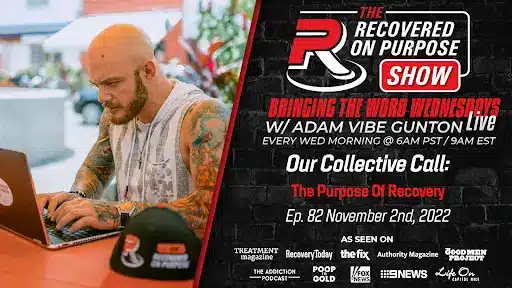
The True Purpose of Recovery—Unity Over Division
Why Recovery Should Be About Healing, Not Conflict
The goal of recovery is healing—mentally, emotionally, physically, and spiritually. Yet, within the recovery community, division often arises over which method is the “right” way to get sober. Some claim 12-Step programs are the only way, while others believe in harm reduction or faith-based recovery. The truth is, recovery should not be a battleground for who’s right—it should be about helping people find freedom from addiction.
Arguing about methods does nothing to help the suffering alcoholic or addict still trapped in the cycle of addiction. Instead, we should be asking:
- What works for you?
- How can I support you in your recovery journey?
- How can we come together as a community to help more people?
The Big Book of Alcoholics Anonymous emphasizes helping others, not proving a point. The 12 Steps guide people toward healing, not judgment. True recovery is about lifting others up, not tearing them down because they chose a different path.
The Dangers of a “One-Size-Fits-All” Mentality in Sobriety
A major issue in the recovery space is the belief that one method works for everyone. While 12-Step programs have helped millions, some people recover through therapy, medication-assisted treatment (MAT), faith-based programs, or holistic healing.
A rigid, one-size-fits-all approach can:
- Push people away from recovery if they feel like they don’t fit into a specific model.
- Create unnecessary division within the recovery community.
- Ignore individual needs and circumstances, such as mental health conditions, trauma, or medical concerns.
True recovery allows for flexibility and acknowledges that every person’s journey is unique. The focus should be on helping people find freedom, not forcing them into a particular mold.
How Unity Strengthens the Recovery Community
When the recovery community is unified, it becomes a more powerful force for good. Unity in recovery:
- Encourages more people to seek help without fear of judgment.
- Allows different recovery programs to work together to serve more people.
- Strengthens the support system, ensuring that no one has to recover alone.
Tradition One states, “Our common welfare should come first; personal recovery depends upon A.A. unity.” This means that helping others must take priority over personal opinions. By working together, rather than arguing, we can help more people break free from addiction and live in recovery.
The Biblical Perspective on Division and Community
What Scripture Teaches About Healing Through Fellowship
The Bible teaches that healing comes through community and connection. Ecclesiastes 4:9-10 states:
“Two are better than one because they have a good return for their labor: If either of them falls down, one can help the other up.”
This mirrors Step 12, where those who have recovered are encouraged to help others find the same freedom. When we lift others up instead of tearing them down, we create an environment where more people can find healing.
The Role of Humility and Service in Recovery
Jesus taught that true leadership is found in service. Mark 10:45 says:
“For even the Son of Man did not come to be served, but to serve, and to give his life as a ransom for many.”
In recovery, this translates to serving others with humility rather than arguing about who’s right. The 12 Traditions emphasize the importance of humility, particularly in Tradition Five:
“Each group has but one primary purpose—to carry its message to the alcoholic who still suffers.”
Recovery is not about proving personal opinions; it is about helping those still struggling find a way out.
Why Love and Understanding Are Essential in Helping Others
Jesus consistently showed love and understanding to those society had rejected. He didn’t condemn people for their past; He offered grace and a new beginning.
When helping others in recovery, we must:
- Lead with love, not judgment.
- Encourage rather than criticize.
- Create safe spaces for people to heal, regardless of their chosen path.
By embracing love, humility, and unity, we fulfill the true purpose of recovery: helping others find healing and freedom.
Recovery Paths Are Personal: Finding What Works for You
The 12 Steps as a Spiritual Path to Healing
For many, the 12 Steps of AA provide a structured and spiritual foundation for long-term recovery. Rooted in spiritual principles, the steps guide individuals through a process of self-examination, surrender, amends, and service.
The Big Book describes the 12 Steps as a way to experience a spiritual awakening, which is essential for true transformation. One of the most powerful aspects of the 12 Steps is their adaptability—people of all faiths, or no faith, have found success by applying the spiritual principles in a way that aligns with their beliefs.
The steps help individuals move from a state of powerlessness over addiction to a place of empowerment and freedom by connecting with a Higher Power, addressing past harms, and learning to live with integrity.
However, while the 12 Steps have been life-changing for millions, they are not the only path to recovery. It is important to acknowledge that different individuals may require different approaches.
Alternative Recovery Approaches and Their Benefits
In addition to 12-Step programs, there are a variety of alternative recovery approaches that focus on different aspects of healing.
- Medication-assisted treatment (MAT), such as The Sinclair Method, provides a science-based option for reducing cravings and gradually regaining control.
- Faith-based recovery programs, like Celebrate Recovery, emphasize biblical teachings and spiritual growth.
- Therapy-based recovery, including Cognitive Behavioral Therapy (CBT) and trauma-informed counseling, addresses the underlying mental and emotional aspects of addiction.
- Harm reduction models, such as SMART Recovery, offer structured tools for managing addictive behaviors without a strict focus on abstinence.
The key to successful recovery is finding what works for the individual rather than forcing a single approach onto everyone.
The Power of Combining Faith, Science, and Community
While different recovery paths exist, the most effective approaches often combine faith, scientific advancements, and community support.
Faith provides purpose, guidance, and spiritual strength, allowing individuals to rely on something greater than themselves. Science offers practical tools and medical solutions, such as therapy, medication, and neurological research on addiction recovery. Community is the glue that holds recovery together, offering encouragement, accountability, and a sense of belonging.
The best recovery plans are not limited to one approach—they incorporate the strengths of spirituality, evidence-based treatment, and human connection, allowing individuals to build a well-rounded and sustainable life in sobriety.
Tradition and Wisdom—What the 12 Traditions Teach About Recovery Unity
Tradition One: Our Common Welfare Comes First
This tradition reminds us that the goal of recovery is to help others, not create division. When personal egos or rigid opinions about the “right” way to recover take precedence, it can fracture the recovery community and alienate those seeking help.
Unity does not mean uniformity—it means respecting different recovery paths while staying focused on the shared goal of helping people find freedom from addiction.
The more recovery spaces operate in a spirit of collaboration and encouragement, the stronger the collective impact will be.
Tradition Five: Carrying the Message Without Judgment
Tradition Five states, “Each group has but one primary purpose—to carry its message to the alcoholic who still suffers.”
The most important part of any recovery program is ensuring that the message of hope and healing reaches those who need it. This means setting aside judgment, personal opinions, and rigid structures in favor of offering support, solutions, and open arms.
Those who are struggling should not feel pressured to follow a specific method—they should be presented with options and encouraged to find the path that works for them.
Recovery is about lifting people up, not tearing them down for not choosing a particular method.
Why Tradition Ten Warns Against Controversy in Recovery Spaces
Tradition Ten states, “Alcoholics Anonymous has no opinion on outside issues; hence the A.A. name ought never be drawn into public controversy.”
While this specifically applies to A.A. as an organization, the principle behind it is essential for maintaining unity in all recovery spaces.
Arguing over which method is best, whether MAT is valid, or if 12-Step programs are outdated does not help the person still suffering. Controversy over recovery approaches distracts from the real mission: helping people find freedom from addiction.
Rather than engaging in divisive debates, the focus should always be on sharing the message of hope and guiding people toward the resources that best serve their needs.
When recovery spaces remain free of controversy and judgment, they become more inclusive, effective, and welcoming to those who need them most.
The Purpose of Recovery: Becoming a Light for Others
The Responsibility to Serve and Lift Others Up
True recovery is not just about personal healing—it’s about becoming a light for others still suffering. Addiction isolates people, making them feel hopeless, but those who have found freedom have a responsibility to reach back and help others.
Service in recovery can take many forms, including:
- Supporting newcomers in recovery groups by sharing experience, strength, and hope.
- Volunteering at treatment centers or community outreach programs.
- Simply being available to listen and encourage someone in early sobriety.
When we turn our focus from ourselves to helping others, we not only strengthen our own recovery but also create ripples of healing that extend far beyond our immediate circle.
Step 12: Carrying the Message Through Action
Step 12 states:
“Having had a spiritual awakening as the result of these steps, we tried to carry this message to alcoholics, and to practice these principles in all our affairs.”
This means that recovery isn’t just about staying sober—it’s about living with purpose and sharing that freedom with others. Carrying the message can be as simple as:
- Sharing personal experiences with those still struggling.
- Sponsoring or mentoring someone in early recovery.
- Being an example of what a full, joyful life in sobriety looks like.
By actively helping others in recovery, we reinforce our own healing and strengthen the foundation of our sobriety.
Why Purpose in Recovery Leads to Long-Term Sobriety
Having a sense of purpose is one of the strongest safeguards against relapse. Without a clear direction, it’s easy to fall into boredom, complacency, or old destructive habits.
Purpose in recovery can come from:
- Helping others navigate sobriety.
- Engaging in meaningful work or service projects.
- Strengthening relationships and rebuilding trust.
The Big Book teaches that self-centered fear is a major factor in addiction, and the best way to break free from it is to focus outward. When we live for something greater than ourselves, we build a life that is too meaningful to throw away for a drink or a drug.
Embracing Our Collective Call to Help, Not Divide
How We Can Support Others Without Forcing Our Own Views
One of the biggest problems in the recovery community today is division over what works and what doesn’t. Some believe 12-Step programs are the only way, while others advocate for medication-assisted treatment, therapy, or faith-based recovery.
Instead of arguing about which method is best, we should be asking:
- What does this person need to succeed in recovery?
- How can I support them without judgment?
- Am I guiding with love or trying to prove my way is the right way?
Every person’s journey is unique. The most important thing is that they find freedom from addiction, however that looks for them.
The Role of Encouragement and Empathy in Recovery
People in early sobriety often feel ashamed, lost, and uncertain about their future. The last thing they need is to feel judged for their recovery choices.
Instead of criticism, they need:
- Encouragement to keep going, even after setbacks.
- Empathy from those who have walked in their shoes.
- A reminder that they are not alone, no matter what path they take.
If the recovery community is truly about healing, then it must be built on compassion, not division.
Moving Forward in Unity to Help More People Find Freedom (Relapse Prevention Plan)
When we work together rather than against each other, more people find the help they need. Whether it’s 12-Step meetings, therapy, faith, or science-based treatment, what matters most is saving lives and ending the suffering of addiction.
A strong Relapse Prevention Plan includes:
- Support from a community that encourages personal growth.
- Resources that help individuals navigate challenges in their recovery path.
- A network of people who uplift and inspire, rather than tear down and criticize.
If we focus on helping instead of dividing, we can create a world where more people feel safe, supported, and empowered to recover. Together, we can become a force for healing and transformation in the lives of those who need it most.

Adam Vibe Gunton is an American author, speaker and thought leader in addiction treatment and recovery. After overcoming homelessness and drug addiction, Adam found his life’s purpose in helping addicts find the same freedom he found. As Founder and Executive Director of the 501(c)3 nonprofit, Recovered On Purpose, and Managing Partner of Behavioral Health Partners, Adam has helped thousands find freedom from addiction all over the world.