The Power of Influence in Addiction Recovery Advocacy
How Public Figures Can Create Awareness for Science-Based Recovery
Public figures have a unique ability to shape conversations, challenge stigmas, and introduce new solutions to pressing societal issues—including addiction recovery. When celebrities, professionals, and advocates openly discuss their personal struggles and the treatments that helped them, they break down misinformation and provide hope to those who feel trapped in addiction.In traditional addiction recovery, many people only hear about abstinence-based models, like the 12 Steps. While these programs have helped millions, they don’t work for everyone. By using their platforms, influential individuals can introduce alternative, science-based recovery options, such as The Sinclair Method (TSM), medication-assisted treatment (MAT), and harm reduction strategies.Public advocacy plays a key role in:- Challenging the stigma around medication-assisted recovery.
- Educating people on all available treatment options rather than promoting a one-size-fits-all approach.
- Encouraging conversations between individuals and their doctors about medical treatments for addiction.
Claudia Christian’s Mission to Change the Conversation Around Alcohol Use Disorder
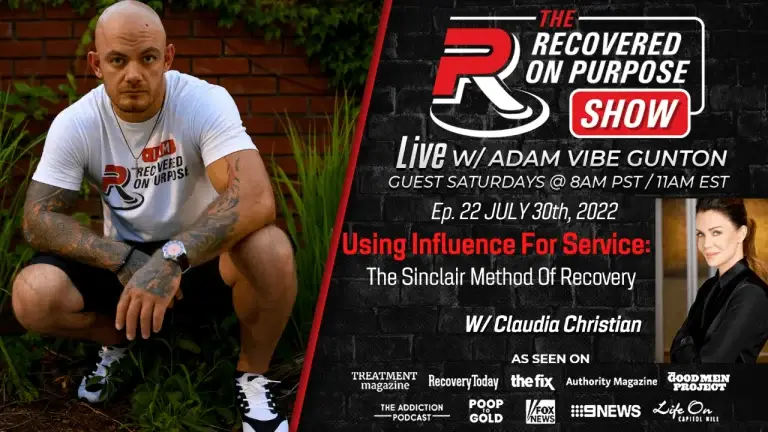
Claudia Christian’s advocacy for The Sinclair Method (TSM) is a prime example of how one person’s commitment to truth can impact millions of lives. After personally struggling with alcohol use disorder (AUD) and finding success with TSM, she made it her mission to educate others about this science-backed method.Through her TEDx talk (How I Overcame Alcoholism), Claudia has reached over four million viewers, introducing them to TSM and encouraging them to speak to their doctors about naltrexone. She also founded the C Three Foundation, a nonprofit dedicated to raising awareness and connecting people with medical professionals trained in TSM.Her work challenges the all-or-nothing approach that dominates traditional recovery spaces, proving that people can successfully manage their drinking without complete abstinence. By partnering with medical professionals, harm reduction advocates, and policymakers, Claudia continues to push for greater accessibility to medication-assisted recovery options.Understanding The Sinclair Method (TSM)
What Is The Sinclair Method and How Does It Work?
The Sinclair Method (TSM) is a science-based approach to treating alcohol use disorder (AUD) that focuses on reducing cravings and retraining the brain’s reward system. Unlike traditional abstinence-based recovery, which often relies on willpower alone, TSM uses the medication naltrexone to gradually weaken alcohol’s hold on the brain.The core principles of TSM include:- Taking Naltrexone Before Drinking – Patients take the medication at least one hour before consuming alcohol.
- Blocking the Endorphin Reward Cycle – Naltrexone prevents the pleasure and reinforcement the brain normally receives from drinking.
- Pharmacological Extinction – Over time, cravings and compulsive drinking behaviors fade, making alcohol less appealing.
The Science Behind Naltrexone and Pharmacological Extinction
Naltrexone is an opioid antagonist, meaning it blocks the release of endorphins triggered by alcohol consumption. This interrupts the brain’s learned association between drinking and pleasure, reducing the compulsion to drink over time.This process, known as pharmacological extinction, gradually erases the reinforcement loop that drives alcohol dependence. Clinical studies have shown that up to 78% of people using TSM successfully reduce their drinking to safe levels or achieve full sobriety.Unlike traditional medications used in abstinence-based recovery (such as Antabuse, which causes illness when alcohol is consumed), naltrexone does not create negative side effects when drinking. Instead, it works subtly and progressively, making it an attractive option for people who struggle with the idea of complete sobriety but still want to regain control.Addressing Common Misconceptions About TSM
Because TSM differs from the traditional recovery narrative, there are several misconceptions surrounding its effectiveness and ethics. Some of the most common misunderstandings include:- “TSM Encourages Drinking” – TSM does not encourage excessive drinking. Instead, it allows individuals to regain control while reducing harmful patterns at a biological level.
- “You Must Be Abstinent to Recover” – Many people believe that complete sobriety is the only path to recovery. However, harm reduction methods like TSM offer an alternative for those who struggle with abstinence-only programs.
- “TSM Is Just Another Crutch” – Critics argue that using medication in recovery is simply replacing one dependency with another. However, the goal of TSM is to permanently reduce cravings and eliminate the psychological grip of alcohol, not to create dependence on medication.
The Role of Harm Reduction in Recovery
How The Sinclair Method Aligns with Harm Reduction Principles
Harm reduction is a compassionate, science-based approach to addiction treatment that prioritizes reducing the negative consequences of substance use rather than requiring immediate abstinence. It recognizes that one-size-fits-all recovery models don’t work for everyone and that progress can take different forms.The Sinclair Method (TSM) aligns with harm reduction principles because it:- Reduces alcohol consumption gradually, rather than forcing sudden abstinence.
- Respects individual autonomy, allowing people to choose their level of drinking reduction.
- Uses medical science to treat alcohol use disorder (AUD) as a biological condition rather than a moral failing.
The Debate Between Abstinence-Based Recovery and Medication-Assisted Treatment
For decades, the dominant recovery model has been abstinence-based, with 12-step programs at the forefront. These programs emphasize spiritual growth, personal accountability, and lifelong sobriety. While effective for many, others struggle with its strict, all-or-nothing approach.Medication-assisted treatments (MAT) like TSM challenge the idea that sobriety is the only measure of success. Rather than relying solely on willpower and behavioral therapy, TSM uses naltrexone to weaken alcohol’s grip on the brain. This approach has been controversial because it allows people to continue drinking while undergoing treatment, which contradicts traditional recovery teachings.However, studies have shown that MAT can dramatically reduce relapse rates and improve long-term recovery outcomes. Rather than pitting abstinence-based recovery against medication-assisted treatment, the future of addiction treatment lies in offering multiple options and letting individuals choose the best path for their needs.The Importance of Individualized Treatment Plans
One of the biggest shifts in modern addiction treatment is the recognition that no single approach works for everyone. People have different biological, psychological, and social factors that influence their substance use, and treatment should be tailored to their unique needs.An individualized treatment plan might include:- TSM for biological craving reduction.
- Therapy or counseling for emotional healing.
- 12-step meetings for accountability and community support (The 12 Steps of AA).
- Lifestyle changes that reinforce long-term wellness.
The Intersection of TSM and the 12 Steps
Can TSM and 12-Step Recovery Coexist?
At first glance, The Sinclair Method and Alcoholics Anonymous (AA) may seem like opposing forces. AA promotes total abstinence, while TSM allows people to drink during treatment. However, these approaches don’t have to be mutually exclusive.Many people who use TSM also attend AA or other 12-step meetings for support. Even though TSM doesn’t require abstinence, it doesn’t prevent individuals from eventually choosing sobriety as a long-term goal. In fact, some who start on TSM eventually lose interest in drinking altogether, aligning with AA’s principles in a different way.The key is respecting that different people have different paths to recovery. Just as some thrive in 12-step programs while others benefit from therapy or harm reduction methods, individuals should feel empowered to combine multiple strategies for their healing journey.Tradition Three: The Only Requirement for Membership is a Desire to Stop Drinking
One of the biggest misconceptions about The 12 Traditions is that only people who are already sober can participate. However, Tradition Three clearly states:“The only requirement for A.A. membership is a desire to stop drinking.”Nowhere does it say that someone must already be abstinent to attend meetings or work the steps. This means that someone using TSM to gradually reduce their drinking can still participate in 12-step meetings and benefit from the community, structure, and spiritual growth opportunities offered in AA.By embracing the spirit of inclusivity, 12-step programs can continue serving as a valuable resource for all people in recovery—regardless of their approach.
How Spiritual Growth Can Support Science-Based Recovery Methods
One of the strongest connections between TSM and the 12 steps is the role of spirituality in recovery. Many people find that even when they use medication-assisted treatment, faith and spiritual development play a crucial role in long-term success.Spirituality can help those on TSM by:- Providing meaning beyond alcohol—helping individuals fill the void left as drinking decreases.
- Encouraging humility and surrender, which aligns with Step 11 and seeking a higher power’s guidance.
- Reinforcing personal accountability, reminding individuals that freedom from addiction is a lifelong journey, not just a medication protocol.
The Impact of Claudia Christian’s Advocacy
Spreading Awareness Through Film, Speaking, and Writing
Claudia Christian has used her platform to educate, advocate, and empower individuals struggling with alcohol use disorder (AUD). Unlike many traditional recovery advocates, Claudia champions a science-based approach that emphasizes medication-assisted treatment, particularly The Sinclair Method (TSM).Her impact extends across multiple media, including:- Film – Her award-winning documentary, One Little Pill, provides an in-depth look at TSM and how it has changed lives worldwide.
- Speaking Engagements – Claudia has spoken at medical conventions, universities, and government hearings, raising awareness about TSM’s success.
- Books and Articles – As a published author, she has written extensively on addiction recovery, harm reduction, and the importance of offering multiple treatment pathways.
The Role of Her TEDx Talk in Global TSM Awareness
One of Claudia Christian’s most impactful contributions to the addiction recovery space is her TEDx talk, How I Overcame Alcoholism. This talk has been viewed over four million times, introducing millions of people to the idea that AUD can be treated through medication, not just willpower.The significance of this talk lies in its ability to:- Destigmatize alcohol use disorder as a medical condition, not a moral failing.
- Empower individuals to speak with their doctors about medication-assisted treatment.
- Highlight real-world success stories of people using TSM to regain control of their lives.
How Policy Advocacy Can Help Make TSM More Accessible
One of the biggest barriers to widespread adoption of The Sinclair Method is the lack of awareness among medical professionals and policymakers. Many doctors still default to recommending abstinence-based treatments without informing patients about medication-assisted options like naltrexone.Claudia Christian works with organizations like R-Street in Washington, DC to push for:- Greater accessibility to naltrexone by making it available over the counter.
- Updated medical training for physicians to educate them on TSM.
- Legislative action to integrate harm reduction methods into public health policies.
Choosing the Right Recovery Path: Options Beyond One-Size-Fits-All
The Importance of Finding a Recovery Method That Works for You
For decades, the dominant recovery model has been abstinence-based programs, such as the 12 Steps. While these programs have helped millions, they do not work for everyone. The belief that there is only one way to recover has left many people feeling hopeless when traditional methods fail them.The reality is that recovery is personal, and individuals should have the freedom to choose an approach that aligns with their biological, psychological, and social needs. Some may thrive in 12-step communities, while others may benefit more from medication-assisted treatment, therapy, or harm reduction strategies.Recognizing and respecting multiple paths to recovery is essential to ensuring that no one is left behind in their journey to sobriety.Overcoming Stigma in Medication-Assisted Recovery
One of the biggest obstacles to mainstream acceptance of TSM and other medication-assisted treatments is stigma. Many people, even within the recovery community, hold the belief that true sobriety must be achieved through willpower alone.This stigma can lead to:- Shame and secrecy among those using MAT.
- Resistance from doctors and treatment centers in offering alternative recovery methods.
- Unnecessary suffering for individuals who could benefit from science-backed treatments.
Embracing a Holistic Approach to Long-Term Sobriety
Regardless of the recovery path chosen, a holistic approach is key to maintaining long-term sobriety and overall well-being. While medication-assisted treatment like TSM can help rewire the brain’s response to alcohol, it should be combined with other lifestyle changes to create a well-rounded recovery plan.A holistic approach includes:- Mental and Emotional Support – Therapy, support groups, or faith-based counseling.
- Physical Health – Regular exercise, nutrition, and stress management.
- Relapse Prevention Strategies – Having a plan in place to manage triggers and setbacks.
- Spiritual or Personal Growth – Engaging in practices that bring meaning and fulfillment.

Adam Vibe Gunton is an American author, speaker and thought leader in addiction treatment and recovery. After overcoming homelessness and drug addiction, Adam found his life’s purpose in helping addicts find the same freedom he found. As Founder and Executive Director of the 501(c)3 nonprofit, Recovered On Purpose, and Managing Partner of Behavioral Health Partners, Adam has helped thousands find freedom from addiction all over the world.