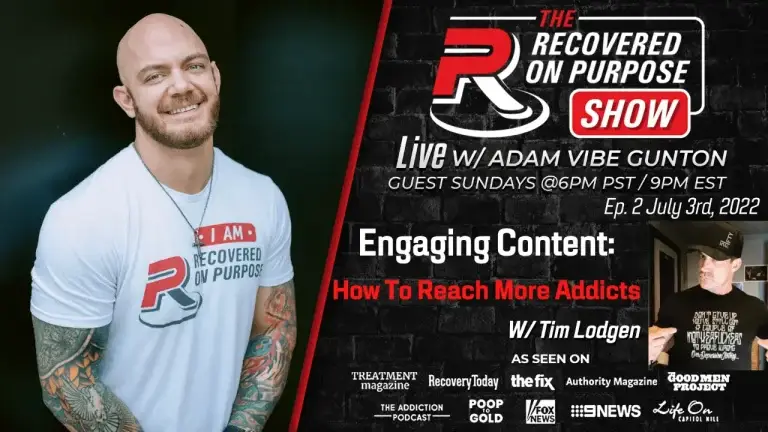
Engaging Content: Hot To Reach More Addicts with Tim Lodgen. On today’s episode of The Recovered On Purpose Show I have my good friend Tim Lodgen on to share his story of experience, strength and hope and how he overcame a lifetime of alcoholism and drug addiction that he thought he would lever make it out of.
We discuss different ways to create content that will reach more addicts suffering with a message of hope and recovery and Tim has only been sober a year and a half… ANYONE at ANY TIME of recovery is able to get out and help others find recovery!
To learn more about Recovered On Purpose, get a complementary copy of Adam’s bestselling book From Chains To Saved, or to book a FREE call with Adam visit: Recovered On Purpose Home Page
Reaching Addicts Online: A Blueprint for Engaging Recovery Content
For many addiction recovery communities, the path to sobriety is often filled with pitfalls, self-doubt, and the occasional victory. Your audience consists of individuals battling cravings, trying to rebuild their lives, and seeking out any source of hope to keep them on track. It’s important to remember the diversity within this community – whether by age, substance of addiction, or stage of recovery, your content should aim to be relatable on a multitude of levels.
Identifying Demographics and Interests
The demographic of individuals in recovery is varied, but common denominators often include individuals from 18 to 65+, males, females, and different educational and social backgrounds. It’s also important to touch on the interests of these individuals, which might range from personal growth, spirituality, mental health, and fitness, to volunteering and career rehabilitation.
Recognizing Common Struggles and Achievements
Struggles like the fear of relapse or the unease of facing a substance-fueled past, can be common among those in recovery. Highlighting small victories and milestones can be a source of motivation and inspiration, reminding viewers that progress, however small, is worth acknowledging. It’s these shared experiences that form the crux of any engaging online content strategy for addicts.
Crafting Engaging Content
The creation of content that addicts in recovery will engage with is not an exact science, but a mix of personal narrative, inspiration, and positivity often resonate strongly within this community.
Utilize Storytelling to Connect
Storytelling is a powerful tool for connection. By sharing authentic narratives, individuals can see themselves reflected in the stories of others, which can be a source of comfort and encouragement as they strive toward their own recovery.
Share Stories of Hope and Recovery
Juxtapose the dark chapters of addiction with stories of hope and concrete examples of people who’ve overcome similar obstacles. These stories not only provide hope but also offer actionable steps and wisdom that the viewer can integrate into their own lives.
Stigma-Free Messaging
Stigma and language can be huge barriers in tackling addiction. Your content should aim to be sensitive, educational, and free from any shaming rhetoric. Instead, focus on fostering an environment of understanding and support.
Choosing the Right Platforms
Different social media platforms attract different audiences. Identifying the ones most frequented by the addiction recovery community is crucial to ensuring the content reaches its intended viewers.
Tailoring to Specific Platform Audiences
For instance, platforms like Reddit and online forums can allow for extensive, supportive conversations, while visual platforms like Instagram and TikTok are more conducive to impactful visual storytelling.
Implementing Engagement Strategies
Engagement is key to making content that resonates. It’s not just about views; it’s about creating a space where viewers feel compelled to interact and share their experiences, questions, and advice.
Fostering Community Interaction
Encourage discussions through content that prompts viewer response. Remember, you’re not just talking at your audience; you’re creating a two-way dialogue, where every comment and share is a step towards building a supportive community.
Utilize Interactive Content Formats
Leverage the unique features of social media, whether it’s through hosting Q&A sessions on Instagram Stories, conducting live recovery meetings on Facebook, or creating relatability through the use of polls and surveys.
Measuring Success

It’s essential to have a system in place to measure the impact of your content. By tracking various engagement metrics, you can adapt your approach and content to better match what your audience finds most compelling.
Tracking Engagement Metrics
Keep an eye on likes, shares, comments, and, more importantly, the share of personal stories or lessons learned from the community. Quality engagement can offer insights into the resonance of your content.
Analyzing Direct Feedback
Monitor the direct feedback from the community through comments and messages. This can often be a goldmine of invaluable data on what works, what doesn’t, and what viewers might want to see more of.
Continual Improvement
The online landscape is as dynamic as the journeys of those in recovery. It’s imperative to continually review, refine, and update your content strategy to ensure it stays both relevant and impactful.
Regularly Review Content Strategy
Periodically audit your content to identify the most popular and effective elements, and note areas that might need improvement. This process will ensure that you’re always producing content that resonates with your audience.
Stay Ahead of the Curve
Familiarize yourself with emerging trends and new best practices in both digital content creation and addiction recovery. Staying informed will allow you to integrate the latest tools and approaches into your strategy, keeping your content fresh and engaging.
Real-life Examples
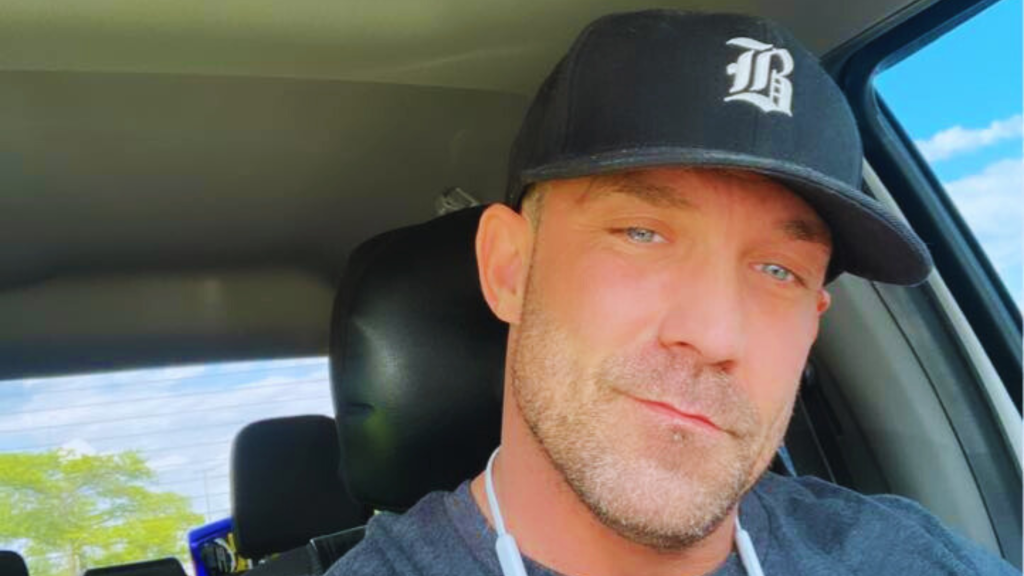
Take the example of Tim Lodgen who shares his story of addiction and recovery with over 186k followers on Instagram. Through reels, stories, and posts, Tim uses his story to inspire others to seek recovery and a sober life. He leverages the visual appeal of Instagram to share deep, personal stories and the audio-visual platform of videos to connect on an emotional level.
Free Resources For Addicts and Addicts In Early Recovery:
- Free Relapse Prevention Worksheet
- 4th Step Inventory: Making It Quicker and Simpler
- 4th Step Resentment Inventory
- 4th Step Fear Inventory
- Medicaid Rehabs In All 50 States
- Guided Meditation For Addicts In Recovery
- Positive Affirmations For Addicts In Recovery
- Relapse Prevention Strategies For Addicts In Early Recovery
- Free Copy of From Chains To Saved

Adam Vibe Gunton is an American author, speaker and thought leader in addiction treatment and recovery. After overcoming homelessness and drug addiction, Adam found his life’s purpose in helping addicts find the same freedom he found. As Founder and Executive Director of the 501(c)3 nonprofit, Recovered On Purpose, and Managing Partner of Behavioral Health Partners, Adam has helped thousands find freedom from addiction all over the world.