Understanding the Power of Self-Talk in Recovery
How Self-Talk Shapes Your Mindset and Actions
The way we speak to ourselves directly impacts our thoughts, emotions, and behaviors. In recovery, self-talk can either push us forward or keep us stuck in destructive patterns. Step 1 reminds us that we are powerless over addiction, but we are not powerless over our thoughts. By shifting our self-talk from self-defeating to empowering, we begin to change the way we perceive ourselves and our recovery. Positive self-talk reinforces our identity as a person in recovery, rather than someone still defined by addiction. Saying things like, “I am worthy of sobriety” or “I am strong enough to get through today” rewires the brain, making sobriety feel more natural and attainable. Mindfulness also plays a critical role in shaping self-talk by keeping us aware of the words we use internally, rather than allowing our thoughts to run on autopilot.Identifying Negative Self-Talk from Addiction
Addiction plants seeds of shame, guilt, and self-doubt that often carry over into recovery. Thoughts like “I’m not good enough” or “I’ll always be an addict” keep people trapped in old beliefs. These thoughts contradict Step 2, which encourages us to believe in a Power greater than ourselves—one that offers us strength beyond our past mistakes. Recognizing negative self-talk is the first step in rewriting the narrative of recovery. By consciously replacing these destructive thoughts with truth-based affirmations, we begin to see ourselves as capable, worthy, and destined for lasting change.Breaking Free from Limiting Beliefs
Recognizing False Narratives That Hold You Back
Limiting beliefs are deeply ingrained thoughts that distort reality and hinder growth in recovery. Many of these false narratives stem from addiction, past failures, or the expectations of others. Beliefs such as “I’ll never change,” “I don’t deserve happiness,” or “I’m too broken to heal” reinforce cycles of shame and self-doubt. These thoughts don’t just affect emotions—they shape behaviors, influencing how we interact with the world and whether we fully commit to sobriety. Challenging these false beliefs requires intentional self-examination. Instead of accepting every thought as truth, we must ask, “Where did this belief come from? Is it serving me, or is it holding me back?” This mental shift aligns with Step 3, which invites us to surrender control and trust that there is a better path ahead. One of the most effective ways to break free from limiting beliefs is through positive affirmations—statements that directly counter negative thoughts. Replacing “I’m not strong enough” with “I have overcome challenges before, and I will again” retrains the mind to embrace new possibilities.The Role of Step 4 in Changing Core Beliefs
Step 4 calls us to make a fearless moral inventory, which is essential for uncovering the root of limiting beliefs. Often, past experiences—whether childhood wounds, toxic relationships, or personal failures—create internal narratives that shape self-worth. By writing out these experiences and identifying where negative beliefs originated, we gain clarity and perspective. This process not only fosters emotional healing but also allows us to replace old, harmful beliefs with new ones rooted in truth, growth, and self-acceptance.Replacing Negative Self-Talk with Empowering Truths
Affirmations That Align with Your Recovery Goals
Affirmations are powerful statements that reprogram the mind by reinforcing truth instead of past conditioning. However, affirmations only work when they are believable and aligned with the goals you’ve set for your recovery. Generic phrases like “I am perfect” often fail because they contradict deeply held beliefs. Instead, affirmations should be realistic and growth-oriented, such as:- “I am becoming stronger every day in my sobriety.”
- “I deserve healing and a fulfilling life.”
- “I am learning to trust myself and my journey.”
How to Rewire Your Brain for Self-Compassion
Addiction often fosters self-criticism, making self-compassion an essential practice in recovery. The brain is wired to reinforce whatever thoughts it hears most frequently, meaning habitual self-judgment deepens feelings of unworthiness. Step 7 teaches us to humbly ask for help in removing these internal struggles, but we must also train our minds to accept grace. Practicing mindfulness-based self-talk allows for gentle redirection of negative thoughts. Instead of reacting with judgment, responding with kindness—“I made a mistake, but I am still growing”—creates new neural pathways that promote healing. Over time, self-compassion replaces shame, reinforcing the belief that you are worthy of love, growth, and a new future.The Role of Faith and Spirituality in Self-Talk
Biblical Principles on Speaking Life Over Yourself
The Bible emphasizes the power of words and their impact on shaping our reality. Proverbs 18:21 states, “The tongue has the power of life and death, and those who love it will eat its fruit.” This truth extends beyond how we speak to others—it applies to how we speak to ourselves. Self-talk that reflects faith, hope, and truth has the ability to shape our emotions, decisions, and recovery journey. Aligning self-talk with scripture means replacing self-doubt with God’s promises. Instead of saying, “I’ll never be free from my past,” remind yourself of 2 Corinthians 5:17, which declares, “If anyone is in Christ, the new creation has come: The old has gone, the new is here!” Faith-driven self-talk acknowledges that your identity is not found in addiction, but in redemption and transformation.Aligning Your Self-Talk with God’s Purpose for You
Many struggle with feelings of unworthiness in recovery, believing they have messed up too much for God to use them. However, Step 11 encourages seeking a deeper spiritual connection to understand God’s will. Through prayer and reflection, it becomes clear that every past struggle can be used for purpose. Speaking life over yourself isn’t about ignoring reality—it’s about seeing yourself through God’s perspective. He calls you loved, chosen, and valuable. Shifting self-talk to align with this truth creates confidence, resilience, and a deeper sense of purpose in your recovery journey.Practical Strategies for Strengthening Positive Self-Talk
Daily Habits That Reinforce a Healthy Mindset
Building a strong foundation for self-talk requires daily repetition of intentional habits that cultivate mental resilience. Just as addiction was reinforced through repeated behaviors, recovery requires consistent action to reshape thoughts and emotions. One powerful practice is morning declarations—starting the day by affirming your commitment to sobriety and personal growth. Saying phrases like, “I am committed to making today a step forward” or “My past does not define my future” creates a mental reset each morning. Another essential habit is journaling your victories, no matter how small. Writing down one success each day helps shift focus away from shortcomings and onto progress. This aligns with Step 10, which encourages taking ongoing personal inventory to track both strengths and areas for improvement. Additionally, surrounding yourself with uplifting influences—whether it’s books, podcasts, or supportive people—ensures that your environment reinforces healthy self-talk rather than negativity.The Importance of Gratitude and Perspective Shifts
Gratitude is one of the most effective ways to transform self-talk, as it shifts focus from what’s missing to what’s already present. Studies show that expressing gratitude reduces stress, improves mental clarity, and strengthens emotional resilience—all essential for long-term recovery. One method is writing three things you’re grateful for each night, reinforcing positive reflection before sleep. Additionally, adopting a perspective of growth rather than failure turns setbacks into learning experiences. Instead of thinking, “I failed today,” reframe it as, “Today was tough, but I learned something valuable.” By making gratitude and perspective shifts daily habits, self-talk naturally becomes more uplifting, constructive, and empowering in recovery.Overcoming Self-Doubt and Fear in Recovery
Combating the “I’m Not Enough” Mentality
One of the biggest battles in recovery is overcoming the internal voice that whispers, “I’m not enough.” This belief often stems from past failures, broken relationships, or unmet expectations, leading to feelings of inadequacy. However, Step 2 reminds us that a Power greater than ourselves can restore us to sanity—meaning we were never meant to carry this burden alone. To break free from this mindset, it’s important to recognize the difference between guilt and shame. Guilt says, “I made a mistake.” Shame says, “I am a mistake.” One is an opportunity for growth, the other is a lie. Replacing shame-driven self-talk with truth-based affirmations like “I am a work in progress, and that is enough” helps reshape identity. Another method is visualizing yourself through the eyes of someone who loves you unconditionally—whether that’s God, a mentor, or a close friend. Seeing yourself from an external, compassionate perspective helps counter the harsh self-judgment that fuels self-doubt.Using Self-Talk to Stay Resilient During Challenges
Recovery is filled with moments of uncertainty and hardship, but self-talk can be a powerful tool for resilience. Instead of allowing difficult situations to trigger defeatist thoughts, train your mind to respond with solution-oriented language. For example, rather than thinking, “I can’t handle this,” shift to, “I will take this one step at a time.” This aligns with Step 9, which encourages courage in making amends—reminding us that discomfort often precedes transformation. By developing self-talk that reinforces perseverance, setbacks become stepping stones rather than stopping points in recovery.Building a Future of Purpose, Mission, and Passion
Visualizing Your Best Self and Speaking It into Reality
Creating a meaningful future starts with seeing yourself as the person you are becoming, not the person you were in addiction. Visualization is a powerful tool that allows you to mentally rehearse success, strengthening your belief that transformation is possible. Instead of focusing on what you want to escape from, shift your attention to who you want to become. Imagine yourself thriving—walking confidently in sobriety, living with integrity, and fulfilling your God-given purpose. Step 12 teaches that carrying the message of recovery to others is essential, meaning your future holds not just healing for yourself, but impact for others. Once you visualize your ideal self, begin speaking it into reality. Self-talk like, “I am becoming the person I was created to be” or “My life is filled with purpose and passion” reinforces your new identity in recovery. Speaking these truths consistently trains your mind to align your actions with your vision.Surrounding Yourself with People Who Reinforce Growth
Your environment plays a major role in shaping your future. Just as addiction thrived in negative influences, recovery flourishes in uplifting and growth-oriented relationships. Step 8 and Step 9, which focus on making amends, also highlight the importance of choosing connections that promote healing. Seek out people who challenge you to grow rather than those who keep you in old patterns. Whether through mentors, faith-based communities, or sober networks, surrounding yourself with those who believe in your potential reinforces your progress and keeps you accountable to your mission.
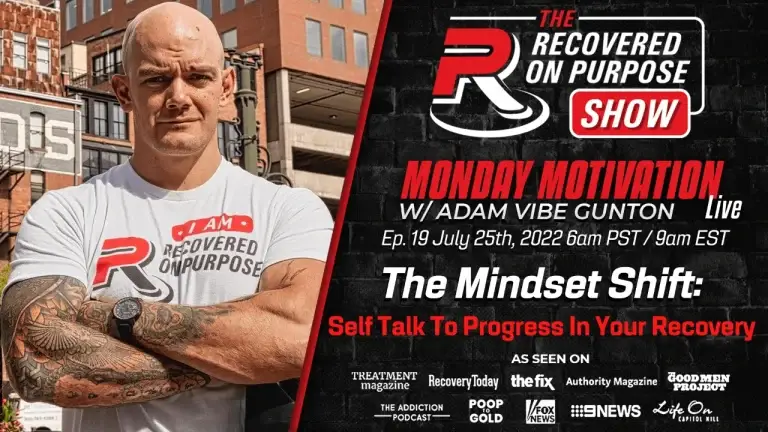
Adam Vibe Gunton is an American author, speaker and thought leader in addiction treatment and recovery. After overcoming homelessness and drug addiction, Adam found his life’s purpose in helping addicts find the same freedom he found. As Founder and Executive Director of the 501(c)3 nonprofit, Recovered On Purpose, and Managing Partner of Behavioral Health Partners, Adam has helped thousands find freedom from addiction all over the world.