There was a time when I wished for prison—not because I wanted to do time, but because I couldn’t stop using. Addiction had drained the life out of me. I wasn’t chasing a high anymore; I was just trying to survive the next hour. That kind of despair doesn’t just come from substance use—it comes from being trapped in a fixed mindset that says change isn’t possible.
But the turning point in my recovery wasn’t luck, treatment alone, or even hitting rock bottom—it was when I embraced an addiction recovery mindset. The recovery process is about more than quitting substances. It’s about rebuilding your life through personal growth, shifting your thinking, and developing the mental strength to stay free.
In this article, we’re diving into the role of a positive mindset on your recovery journey. If you’re stuck right now, you don’t need perfection—you need perspective. Positive thinking, a growth mindset, and a willingness to believe in your future can change everything.
Free Recovery Worksheets to Help Your Mindset
The Crucial Role of a Positive Mindset in Addiction Recovery
One of the most overlooked yet crucial components of addiction recovery is your mindset. Before healing can happen on the outside, there has to be a shift on the inside—a deep-rooted belief that recovery is possible. Without that belief, every effort feels forced, like pushing a boulder uphill with no hope of it ever reaching the top.
People trapped in a fixed mindset tend to view their addiction as part of their identity—unchangeable, permanent, and inescapable. A growth mindset, on the other hand, opens the door to positive changes by seeing addiction not as a life sentence, but as a challenge to overcome. This simple shift in perspective lays the groundwork for self worth, confidence, and consistent progress.
A positive mindset doesn’t mean ignoring pain—it means facing it with the courage to grow through it. It’s not about waiting for a miracle. It’s about taking small, intentional steps toward healing, even when it’s hard.
The real process of recovery begins when we stop asking if we can change and start believing we already are. That belief becomes momentum. That momentum becomes growth. And that growth can lead people from hopelessness into purpose.
Understanding Fixed Mindset in Addiction

A fixed mindset in addiction whispers lies like, “You’re just built this way,” or “This is who you are—get used to it.” These negative beliefs convince people they’re beyond help, trapping them in cycles of shame and self-sabotage. When someone believes relapse is inevitable, the recovery process feels pointless, like failure is the only destination.
This way of thinking is rooted in static traits—the belief that character, willpower, and ability are unchangeable. Add to that the constant noise of negative thoughts, and it becomes nearly impossible to build self esteem or experience even a sense of hope.
Fixed vs. Growth Mindset in Recovery
| Fixed Mindset | Growth Mindset |
|---|---|
| “I’ll always be an addict.” | “I’m healing and moving forward.” |
| Defines self by past mistakes | Learns from every step in the journey |
| Avoids discomfort | Embraces challenges for growth |
| Blames failure on identity | Sees setbacks as opportunities for growth |
| Stuck in shame | Builds confidence through action |
How a Growth Mindset Encourages Change
Adopting a growth mindset isn’t just about thinking positively—it’s about rewiring how you view yourself and your future. This mindset encourages progress through action, one choice at a time. Even simple routines like journaling or practicing healthy coping mechanisms begin to create a shift in both mental health and behavior.
With the right positive influences and tools, you’ll start to gain insights, develop belief in your ability to grow, and stay anchored in the present moment. The result? A more fulfilling life, a renewed sense of self esteem, and the clarity to move through your substance use disorder with purpose—not just survival.
Hearing a Story That Changed My Life
In the darkest stretch of my addiction, I stumbled across a man named Chris sharing his recovery story. He didn’t sugarcoat anything—he was raw, real, and spoke with conviction. What hit me hardest was his simple approach: “Do the 12 Steps fast, as outlined.” That one sentence shattered my excuses and gave me my first real belief that recovery wasn’t just possible—it was real.
Hearing someone who had faced similar challenges, yet found a way out, shifted something deep in me. It wasn’t motivational fluff—it was a roadmap. Chris’s story lit a spark in my mindset, giving me the courage to take that first step forward toward personal growth.
That moment became a turning point. It gave me a sense of direction, the positive energy to develop new habits, and the idea that I could set achievable goals toward a better life. That seed of hope eventually became a strong foundation for lasting recovery—a future no longer ruled by stress, depression, or addiction, but by growth, progress, and well being.
From Desperation to Willingness
At one point in my addiction recovery journey, I wasn’t afraid of dying—I was afraid of waking up and repeating the same pain again. That’s when I finally let go of control. Real recovery didn’t begin until I stopped trying to fix everything myself and became truly willing to take direction. That moment of surrender marked the beginning of my real recovery process.
I had heard it before—faith without works is dead—but now I understood it. Prayer alone wasn’t going to heal my substance use disorder. I had to take action. That shift in mindset was my entry point into personal growth, and every small act of responsibility became a step toward freedom.
Reflection Table: Replacing Desperation with Ownership
| Old Thinking | Growth Mindset Upgrade |
|---|---|
| “I’ve tried everything.” | “I haven’t done everything, consistently.” |
| “Nothing will ever work.” | “The right actions lead to progress.” |
| “Why even try?” | “I owe myself the effort.” |
| “I’ll wait for a miracle.” | “Positive thinking plus action creates change.” |
| “I’m alone in this.” | “There are support groups ready to help.” |
Ownership doesn’t mean doing it all perfectly—it means showing up. With a positive attitude, a positive outlook, and the guidance of others, substance abuse begins to lose its grip. You start to rebuild your sense of self, and that’s when addiction begins to lose.
Daily Habits That Shift Your Thinking
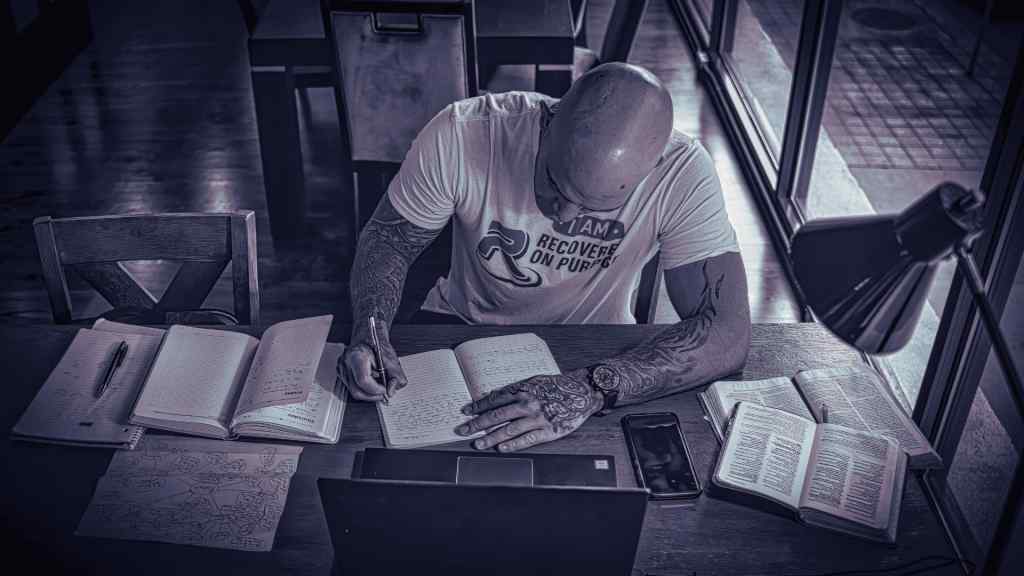
One of the most powerful parts of developing a positive mindset is creating routines that anchor it in your daily life. During early recovery, I started every morning with a simple gratitude journal—three things I was grateful for, no matter how small. That single habit rewired my brain to focus on what I had, not what I lacked. And over time, it shaped how I saw myself and the world around me.
I also used affirmations and a vision board to keep my eyes on a brighter future. Seeing those goals every day reminded me that life could be more than survival. These tools didn’t just inspire me—they became fuel for real growth.
Journaling in the evening helped me process the day and return to the present moment. It grounded me, even when things were hard, and gave me a sense of clarity that improved both my emotional well being and physical health.
Daily Growth Builder Checklist
- Start a gratitude journal
- Say or write daily affirmations
- Visualize your brighter future with a vision board
- Reflect on the present moment through journaling
- Spend time in the natural world to reconnect and reduce stress
- Choose positive thinking over negative spirals
- Remember: positive thinking plays a key role in long-term recovery
- Seek emotional support and embrace challenges—you don’t grow by staying comfortable
These habits may seem small, but practiced consistently, they build momentum—and momentum builds freedom.
Sustaining Recovery Through Action, Influence, and Service

Rewiring Your Mindset With Positive Thinking
Positive thinking plays a powerful role in building a lasting recovery. Tools like affirmations aren’t just trendy—they help reprogram your brain for progress and self-belief. A positive attitude shifts your behavior, leading to real movement toward your goals. Every action, no matter how small, reinforces your mindset and helps you build a new sense of who you are.
This is how confidence is built—not overnight, but step by step.
Surrounding Yourself With the Right People
Support groups, mentors, and positive influences can make or break your recovery. If you’re constantly around people who avoid growth, you’ll shrink. But if you stay close to encouraging individuals and family members who push you to embrace challenges, you’ll rise. Being part of a strong community builds essential emotional support and reminds you that you’re not doing this alone.
Your circle should reflect your future, not your past.
Finding Purpose Through Service and Hope
One of the greatest shifts in the recovery journey is moving from self-focus to service. Helping others strengthens your own foundation. On the hardest days, showing up for someone else builds purpose and boosts your emotional well being. That’s the power of the growth mindset—it keeps you outward-facing and resilient, even in the storm.
As you serve, your self worth and self esteem grow naturally. You start to view setbacks as growth opportunities, not failures. You stop surviving and start building a life—with realistic goals, positive changes, and eventually, freedom from substance abuse. That’s how a strong foundation is formed—a positive outlook anchored in action, connection, and purpose.
Final Thoughts About an Addiction Recovery Mindset for Long Term Mental Health
Your recovery journey isn’t just about quitting substances—it’s about transforming how you think, respond, and grow. The mindset you build today plays a crucial role in your ability to overcome challenges, face stressful situations, and create a life of overall well being. Recovery is not for the faint of heart—but it is for anyone willing to do the work.
A growth mindset helps you break free from the illusion of fixed traits and reminds you that you can always develop new tools, habits, and responses. Positive thinking doesn’t erase hardship, but it gives you the strength to view setbacks as opportunities for growth, not as proof you’re failing.
- Replace negative thoughts with positive thoughts
- Choose action over waiting
- Join or keep attending support groups
- Let go of the need to control everything
- Surround yourself with encouraging individuals
- Don’t avoid challenges—use them
- Prioritize your improved physical health and emotional healing
With the right mindset, freedom from substance use disorder and other disorders is possible. And with commitment, successful recovery becomes your new reality.

Adam Vibe Gunton is an American author, speaker and thought leader in addiction treatment and recovery. After overcoming homelessness and drug addiction, Adam found his life’s purpose in helping addicts find the same freedom he found. As Founder and Executive Director of the 501(c)3 nonprofit, Recovered On Purpose, and Managing Partner of Behavioral Health Partners, Adam has helped thousands find freedom from addiction all over the world.