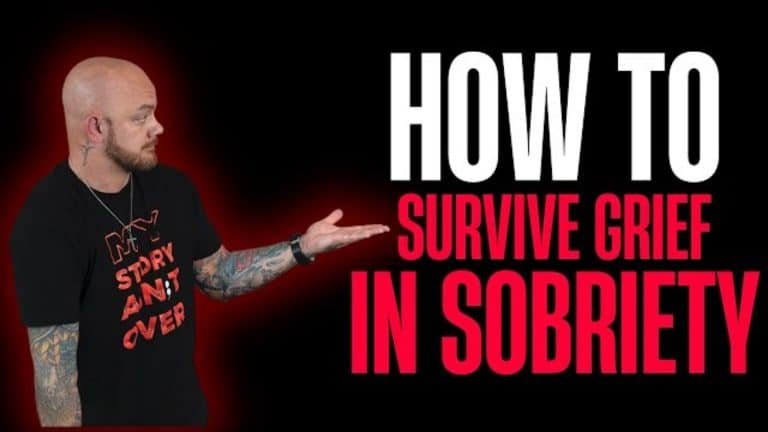
Quick Takeaways:
- Decide now that sobriety is non-negotiable: The key to staying clean when dealing with grief and loss isn’t superhuman strength; it’s making the decision long before tragedy hits that using is completely off the table, no matter what happens.
- Intentional silence is different from dangerous isolation: Taking time to feel your grief fully is healthy and necessary, but stay honest with yourself about whether you’re mourning or withdrawing from accountability and connection.
- Inventory your grief’s layers to prevent buildup: Don’t just acknowledge surface sadness; write down the deeper feelings like anger at the disease, fear of never being loved the same way, or guilt about unspoken words to process them completely.
- Your sober grief becomes someone else’s roadmap: By staying clean through your darkest loss, you create living proof for someone else facing their own storm that it’s possible to survive devastating pain without relapsing.
Relapse Prevention Strategies During Loss and Grief

Navigating the journey of sobriety and recovery is a lifelong process. While most people enter recovery to find peace, life doesn’t stop happening once you put down the drugs or alcohol. One of the most significant high-risk situations for relapse a person can face is the death of a loved one; dealing with grief and loss while managing substance use disorders is a unique challenge. In the past, your coping skills might have involved using a substance to numb your emotions. In recovery, however, you must learn to manage the raw, sharp pain of loss without returning to substance use.
When you are grieving, your well-being is under immense stress. Relapse prevention isn’t about being “super strong”; it is about a decision made long before the crisis hits. To successfully navigate this period, you must address addiction relapse early while managing grief. Here are key strategies to protect your recovery:
- Stay connected: Reach out to your support network, sponsor, or therapist rather than isolating. Grief is harder to bear alone, and isolation increases relapse risk.
- Feel without using: Allow yourself to experience the full range of emotions (sadness, anger, guilt) without trying to numb them. This is painful but necessary for both grief and recovery.
- Maintain structure: Keep attending meetings, following your routine, and taking care of basics like eating and sleeping, even when you don’t feel like it.
- Have a specific plan: Identify your high-risk times (anniversaries, lonely evenings) and know exactly who you’ll call or what you’ll do when cravings hit.
- Remember “firsts” are hardest: The first birthday, holiday, or anniversary without your loved one will be especially difficult. Plan extra support around these dates.
- Honor your person differently: Find healthy ways to remember and honor who you lost rather than using substances “for” them or to cope with their absence.
- Be patient with yourself: Grief and recovery both take time. You’re dealing with two major challenges at once, so extend yourself compassion.
- Focus on your health: Engaging in gentle physical activity like walking or yoga can elevate mood and reduce stress, letting you get past cravings.
- Establish rituals: Creating personal memorial rituals, such as lighting a candle or visiting a favorite place, can facilitate long-term healing and help you deal with triggers.
If you’re struggling, remember that relapse won’t bring your person back or make the grief less painful; it will only add more loss and pain to what you’re already carrying.
The Reality of Grief in Sobriety
In substance abuse, we had “escape routes”. We blacked out the anger and depression. But in recovery, there is nowhere to run. Dealing with grief and loss hits different because you are actually forced to feel it fully. To understand grief in this context, you must accept that:
- Grief hits different because you must take on the full brunt of emotional loss.
- The feelings of disorientation and anxiety are a natural part of healing, not a sign of failure.
- Feeling like it is “too much” means you are growing through it rather than running from it.
What is Traumatic Grief?
Traumatic grief occurs when loss happens suddenly, violently, or unexpectedly. It combines typical grief symptoms with trauma responses like flashbacks or hypervigilance. The mind struggles to process both the shock and the reality that they’re gone. This intensity often requires specialized trauma-informed support when dealing with grief and loss of this magnitude.
Managing Grief and Mental Health

Sometimes, loss isn’t straightforward. Grief can lead to a sense of being shattered. This is especially true if the loss involves childhood traumatic grief or the death of a parent who provided unconditional support. When mental health is strained by loss, the mind starts whispering lies. You might feel angry at the circumstances, like cancer or a sudden death, or even feel resentment toward the person you lost.
Identifying Vulnerabilities
Grief doesn’t cause relapse, but it creates conditions where relapse becomes easier to justify. Understanding your specific vulnerability factors helps you recognize warning signs early and take protective action before a slip occurs.
| Vulnerability Factor | Description | Prevention Focus | Warning Signs | Protective Action |
|---|---|---|---|---|
| Isolation | Pulling away from friends and family. | Intentional silence vs. dangerous isolation. | Avoiding calls/texts, cancelling plans, increased secrecy, loss of accountability. | Schedule regular check-ins with sponsor or trusted friend; attend meetings even when you don’t feel like it; maintain structured daily routines. |
| Lies of Grief | Believing you are “alone” or “forgotten.” | Focus on connection and faith. | Catastrophic thinking, hopeless self-talk, withdrawing from spiritual/community supports. | Challenge distorted thoughts through journaling or CBT tools; reconnect with support groups; engage in spiritual or reflective practices. |
| Permission to Use | Using grief and anger as an excuse to go back. | Deciding that sobriety is not “for sale.” | Romanticizing past use, minimizing consequences, “just one time” thinking. | Review relapse consequences list; contact sponsor immediately; revisit personal recovery goals and commitments; delay decision 24 hours. |
Relapse Prevention: Building a Robust Support System
To maintain self-efficacy during a trigger event, you need a strong support system. You don’t have to muscle through it alone. Relying on a support network of family members, a sponsor, or a mental health professional can bring comfort when the fear of the future feels overwhelming.
Actionable Coping Skills
Loss leaves us overwhelmed and confused. These three practical steps help you in dealing with grief and loss intentionally, staying grounded in recovery without getting lost in the pain.
- Take an Inventory: Most people find it helpful to write down exactly what hurts. Put your grief and anger, fear, and guilt on paper to develop clarity.
- Maintain Connection: Do not retreat into isolation. Pick up the phone and support someone else who is also grieving.
- Practice Mindful Mourning: Allow yourself the space to cry or scream, but don’t stay in that “shattered” place so long that you lose your purpose.
The Role of Clinical Psychology and Professional Support

For some, grief may trigger a deeper diagnosis or exacerbate existing substance use disorders. If your ability to function is severely limited, consulting a healthcare provider or a specialist in clinical psychology is essential. They may utilize treatment methods such as:
- Motivational Interviewing: To reinforce your commitment to life and recovery.
- Mindfulness-Based Relapse Prevention: Using techniques like guided meditation and urge surfing (letting them wash over you like an ocean wave), to sit and process with painful emotions without acting on them.
- Cognitive Behavioral Therapy: To address the lies grief tells you about being alone. Cognitive behavioral therapy (CBT) is a form of psychotherapy that helps people identify and change negative thought patterns and behaviors to improve emotional well-being and develop practical coping strategies.
How Do You Deal With Grief and Loss at Different Ages?
According to the American Psychiatric Association, adults of different ages and children may experience loss differently. Because of this, specialized medications or therapies may be needed to manage the increased risk of mental health disorders like depression, anxiety, and behavioral disorders. For example, older adults show an increased association with prolonged grief disorder, the persistent or intense preoccupation with a deceased loved one.
Grief changes as we age:
- Children need concrete explanations and reassurance of safety.
- Teenagers benefit from peer support and creative outlets for big emotions.
- Adults often juggle grief while maintaining responsibilities, requiring self-compassion and structured support.
- Older adults may face accumulating losses and need connection and meaning-making.
However, at every age, honest expression and community matter most.
Turning Pain into Legacy
The meaning of your own life is often defined by how you handle high-risk situations. By choosing not to use drugs or alcohol during your darkest hours, your pain becomes a “survival story” for someone else.
When you stand sober and grounded at a funeral, you honor the loved ones you lost. You show your family that it is possible to hurt without collapsing. This is how you turn your journey of dealing with grief and loss into a legacy. You don’t owe grief your identity. You’re allowed to feel it, but you don’t have to believe it.
Sobriety isn’t the finish line; it’s the foundation that makes everything else possible. Recovery clears the path so you can discover who you’re meant to be, build meaningful relationships, pursue your passions, and contribute something unique to the world that only you can offer.

Adam Vibe Gunton is an American author, speaker and thought leader in addiction treatment and recovery. After overcoming homelessness and drug addiction, Adam found his life’s purpose in helping addicts find the same freedom he found. As Founder and Executive Director of the 501(c)3 nonprofit, Recovered On Purpose, and Managing Partner of Behavioral Health Partners, Adam has helped thousands find freedom from addiction all over the world.