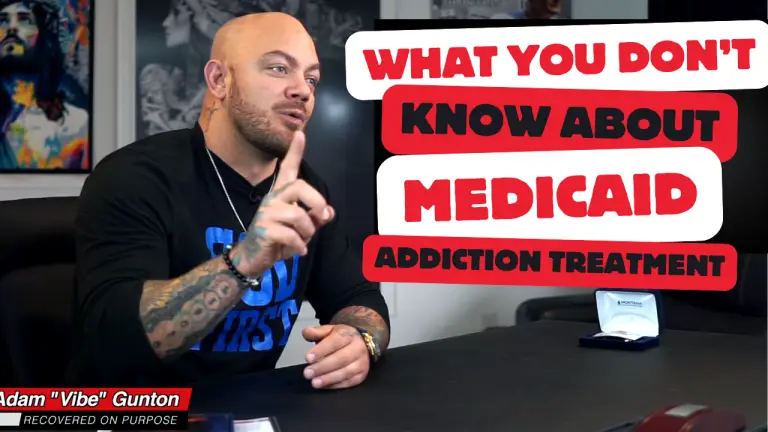
There are many misconceptions surrounding Medicaid and addiction treatment that can discourage people from seeking help. In reality, Medicaid offers a wide range of mental health services that can support you on your path to recovery.
From inpatient rehab to medication-assisted treatment, Medicaid benefits provide crucial coverage that is often misunderstood. In this video and article, we’ll break down the 6 most common myths and reveal the truth behind Medicaid and its role in addiction recovery, so you can make informed decisions about your options for treatment services.
Key Takeaways About Medicaid and Substance Abuse Treatment
- Medicaid covers a wide array of addiction treatment services for both drug and alcohol addiction as well as co-occurring mental health issues
- Medicaid benefits are not just for homeless and unemployed members of the community but eligibility requirements are far reaching depending on more than just employment status
- A rehab center that accepts Medicaid coverage often has excellent treatment services for substance abuse and are on par with private rehab centers without luxury amenities
Misconception 1: Medicaid Doesn’t Cover Addiction Treatment

One common misconception is that Medicaid does not cover addiction treatment. In reality, Medicaid provides a comprehensive range of substance abuse treatment services designed to help individuals on their recovery journey. These services typically include:
Detox Services
Detox, short for detoxification, is the process of removing drugs or alcohol from the body. It is often the first step in addiction treatment, helping individuals manage withdrawal symptoms in a safe, controlled environment. Detox can be medically supervised to ensure the person’s safety and comfort, especially for those dealing with severe addiction or withdrawal risks.
Inpatient Treatment
Inpatient treatment, or residential treatment, is a step down level of care from detox when those in addiction treatment centers are staying in a controlled setting overnight for stays ranging from 21-28 days or more. Inpatient treatment is covered by Medicaid in nearly every state and the duration of coverage depends on the medical necessity and policies in each individual state.
Outpatient Treatment
Outpatient treatment centers allow patients to come to the center during the day for different levels of care while staying at home or in sober living. Outpatient treatment is a step down level of care from residential treatment and the levels of care provided are:
Partial Hospitalization Program (PHP)
The most intensive outpatient program consisting of six hour sessions at the outpatient treatment center five days per week.
Intensive Outpatient Treatment Program (IOP)
A step down from PHP and is typically three hours per day at the center for 3-5 days per week depending on the level of care needed.
Outpatient Treatment Program (OP)
The least intensive level of outpatient care consisting of 1-3 hour sessions one day per week or as needed for relapse prevention maintenance.
Medication Assisted Treatment (MAT)
Medication assisted treatment is often used in conjunction with an outpatient treatment program to curb withdrawals and cravings for effective substance abuse treatment long term. Medications used in MAT can include:
Suboxone
Suboxone is a daily medication contains a combination of buprenorphine, which reduces opioid cravings and withdrawal symptoms, and naloxone, which prevents misuse by blocking the effects of opioids.
Vivitrol
Vivitrol is a prescription medication used to prevent relapse in individuals recovering from opioid or alcohol dependence. It contains naltrexone, an opioid antagonist that blocks the effects of opioids and alcohol, reducing cravings and helping maintain sobriety.
Methadone
Methadone is a medication used in the treatment of opioid addiction. It works by reducing withdrawal symptoms and cravings without producing the same high as other opioids, allowing individuals to stabilize and focus on recovery.
Individual Counseling and Therapy
In most states, Medicaid coverage includes receiving one-on-one counseling and therapy from licensed addiction specialists. Co-occurring disorders like depression, bipolar, anxiety or schizophrenia are common mental health services Medicaid covers along with behavioral health services for disorders involving things like sex, gambling, eating, or shopping.
Misconception 2: Medicaid Rehab Centers Offer Subpar Care
A widespread misconception is that rehab centers that accept Medicaid offer lower-quality care compared to private facilities. While it’s true that Medicaid facilities may have fewer resources or longer wait times, many provide excellent care and meet high standards of accreditation.
Treatment centers that cater to Medicaid only are not required to be accredited by organizations like The Joint Commission and CARF, which certify many drug and alcohol rehab centers, and are required by private insurance companies to provide services for substance use disorder to their recipients.
It may seem like this makes different rules private pay and private insurance rehabs, but many of the best Medicaid-accepting treatment centers receive these accreditations of governing third parties to ensure they maintain a high level of professionalism and care.
The key is researching and verifying a facility’s credentials to ensure you receive the best treatment possible.
You are not required to go to the first rehab center that accepts Medicaid for long term care. Look over your recovery options and make a decision for the best quality care facility in your area.
Misconception 3: You Have To Be Unemployed To Qualify For Medicaid

A common misconception is that only unemployed individuals can qualify for Medicaid. In reality, Medicaid eligibility is based on several factors, including income, household size, certain disabilities, and whether someone is pregnant or a parent.
There are also some special conditions that will help someone qualify quickly like a recent move to a new state or loss of a job and benefits. If an individual can receive supplemental security income (SSI) they may also automatically qualify for Medicaid benefits.
Many working individuals with lower income levels may still qualify for Medicaid coverage. Eligibility varies by state, so it’s important to check your state’s Medicaid website for specific requirements. You can find your state’s website on our 50 State Medicaid Rehab Guide.
If you’re unsure, don’t hesitate to apply—many people qualify without realizing it and Medicaid covers medical costs from the past 60-90 days in many states for emergency situations.
Misconception 4: Private Rehabs Don’t Accept Medicaid

It’s often assumed that private rehab centers don’t accept Medicaid, but this isn’t always the case. While some private rehab facilities primarily cater to self-pay or private insurance clients, many accept Medicaid for specific services like outpatient care, medication-assisted treatment (MAT), or counseling.
In many instances, private drug and alcohol rehab centers will have a quota of Medicaid beds or slots in their mental health services they will allow to be covered Medicaid recipients.
The reimbursement rates (what insurance will pay) are significantly less in most states, but in general, most people in this industry are in it to help and desire to have a business plan that caters to all walks of life, including low income families.
The key is researching and contacting private rehab centers to confirm which services are covered by Medicaid. Always check with the facility directly and verify your specific coverage through Medicaid to explore all treatment options available.
Misconception 5: There’s No Coverage For Mental Health Issues by Medicaid
Another common misconception is that Medicaid doesn’t cover mental health treatment, especially when tied to substance use disorders for drug and alcohol addiction.
In reality, Medicaid provides comprehensive coverage for mental health services, including therapy, counseling, and medication management, often as part of a dual-diagnosis or co-occurring disorders treatment plan.
This approach allows individuals to address both addiction and co-occurring mental health conditions like depression, anxiety, or PTSD. According to Hazelden Betty Ford, as many as 65% of those with substance use disorders also have conditions for mental health.
Medicaid’s integrated approach to mental health and addiction recovery is designed to offer holistic care, improving overall outcomes for patients. Check for an approved treatment facility offering dual diagnosis care.
Conclusion For Misconceptions About Substance Use Disorder & Medicaid
Will Medicaid cover drug and alcohol rehab? Yes. Will Medicaid cover mental health treatment services? Yes. Is treatment coverage by Medicaid going to give you subpar, ineffective treatment for drug addiction? No.
Medicaid will not only pay for treatment at no cost to you, but there are many drug and alcohol rehab centers that offer quality substance abuse treatment for long term inpatient treatment and intensive outpatient treatment with support groups and other outpatient services until you are ready to phase out of treatment and into stand-alone recovery helping others.
Early intervention is often extremely important and the later we address our substance use issues, the harder it is going to be to stop. Medicaid would rather pay for us to go to treatment than have hospital stays in the ER to pay for on a regular or semi-regular basis.
Health insurance changed for us when the affordable care act was introduced and passed by legislators. Health coverage for drugs and substance abuse treatment has been taken back from private pay, private health insurance clients and given back to the general population and even those at the poverty level and below.
You are not alone and recovery is possible for you and your loved ones.

Adam Vibe Gunton is an American author, speaker and thought leader in addiction treatment and recovery. After overcoming homelessness and drug addiction, Adam found his life’s purpose in helping addicts find the same freedom he found. As Founder and Executive Director of the 501(c)3 nonprofit, Recovered On Purpose, and Managing Partner of Behavioral Health Partners, Adam has helped thousands find freedom from addiction all over the world.