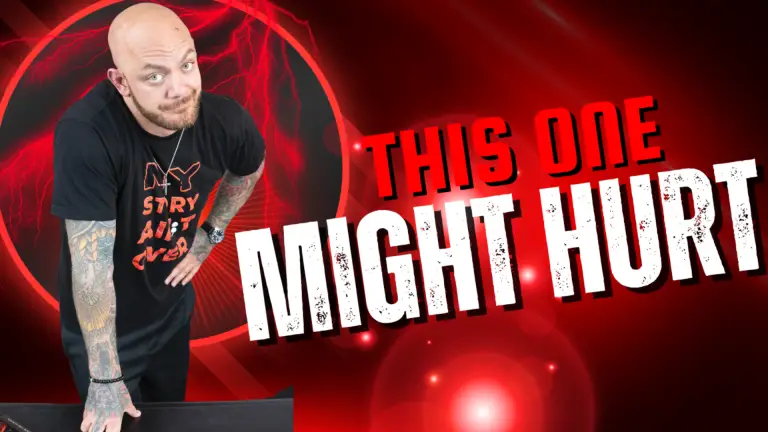
Outgrowing friendships in addiction recovery is one of the most emotional—but necessary—parts of healing. In this post, we’ll explore why letting go of a close friend doesn’t mean something is wrong with you—it often means something is finally right. You’ll learn how these changes can actually protect your mental health, how to spot when a friendship is no longer serving your growth, and how to make space for new friendships that align with who you’re becoming. Whether you’re feeling guilty, confused, or just stuck, this guide will help you navigate friendships with purpose, peace, and power.
Why Outgrowing Friendships in Recovery Isn’t a Bad Thing
Outgrowing friendships is not a failure—it’s often the clearest sign of personal growth. Recovery isn’t just about quitting drugs or alcohol; it’s about rebuilding your life from the inside out. That kind of transformation naturally shifts your perspective, priorities, and passions. And as you change, not everyone around you will change with you.
You may notice that some friends just aren’t friends anymore—not because of drama or betrayal, but because you’re headed in different directions. The late-night calls, the gossip, the bad habits that used to feel normal—those things lose their grip when you’re focused on healing. Holding onto those connections can feel like dragging old patterns into a new life.
Letting go doesn’t mean you don’t care. In fact, one friend might have been a lifeline at one point. But recovery demands intentional choices, and sometimes that includes who we allow into our lives. Choosing to cut ties with someone who no longer aligns with your values isn’t cruelty—it’s clarity.
Healthy friendships in recovery look different. They’re based on support, mutual respect, and forward movement—not shared pain. As hard as it is to admit, some people were only part of your life because of who you were before. That doesn’t make them bad—it just means they may not be part of what’s next.
Outgrowing friendships isn’t something to feel ashamed of. It’s something to embrace as evidence that you’re healing—and healing takes courage.
The Mental Health Impact of Staying in Misaligned Relationships

Not all friendships survive recovery—and trying to force them to can quietly drain your mental health. When you’re constantly making plans that fall through, putting in the effort while the other person barely shows up, or finding that every conversation pulls you back into the past, it takes a toll. What used to make sense in your old life might no longer align with the person you’re becoming.
It’s a sign when a friend makes you question your progress or downplays the big things happening in your life. Recovery requires clarity and confidence—but mismatched relationships can cloud both. If you leave a hangout feeling more anxious, disconnected, or doubting your growth, it’s worth asking why.
We often hold onto these connections out of habit or history, not realizing how much space they take up in our minds and hearts. But sobriety thrives in healthy environments—and that includes the people you spend your time with.
Not every friendship ends in a blowup. Some just fade when your interests, values, and energy shift. And that’s okay. Prioritizing your mental health means honoring what’s real now, not what once was. Letting go can be the healthiest thing you do for both of your lives.
Signs You’ve Outgrown a Friendship
Outgrowing a friendship doesn’t always come with a dramatic fallout—sometimes, it’s just a quiet shift in how the relationship feels. You may start noticing that you don’t feel supported the way you used to. Maybe your friend doesn’t celebrate your wins, ask about your growth, or show up during tough moments. When relationships become one-sided, it’s often a sign something deeper has changed.
If most of your talking revolves around the past—the same stories, the same struggles, the same things—you’re likely not building toward the future together. Healthy friendships evolve. If yours is stuck in yesterday, it might not be right for where you’re headed.
Another clear indicator? You shrink yourself to fit the old version of who you were. You edit your words, downplay your interests, or pretend you’re still on the same path—just to keep the peace. That’s not connection. That’s compromise.
Over time, you may realize you no longer have common ground. What used to be your best friend now feels more like a memory. That’s not betrayal—it’s outgrowing friends in real time. And while it’s never easy, recognizing when a friendship no longer brings life is the first step to creating space for one that does.
Questions to Ask in a “Friendventory”
Taking a “friendventory” means intentionally evaluating the friendships in your life—not based on how long they’ve lasted, but how they’re affecting you now. Start by asking: Who builds you up? Which friend makes you feel energized after you talk, who encourages your growth, and supports you even when you’re having a hard time?
Next, consider: Who drains your energy? Some relationships leave you feeling tense, judged, or small. If conversations are always heavy, negative, or centered around the same complaints, it might be time to change course.
Then ask: Who are you becoming around them? Do you shrink, or do you grow? Are your interests aligned, or are you stuck trying to connect over shared interests that only made sense in the first place because of who you used to be?
Finally: What do you both contribute? A friendship should be mutual. You can care deeply, but if it’s always you doing the work, it’s not a relationship—it’s a pattern. And ultimately, it shapes how you show up in the world.
Outgrowing Friends Doesn’t Mean You’re Better—It Means You’re Different

Outgrowing a friendship is not a reflection of pride—it’s a reflection of change. When you feel stuck in a friendship that once brought joy but now leaves you feeling drained, it’s a sign you’re on a different path. That’s not something to be ashamed of. It’s a natural part of life and growth.
People grow at different paces. What made sense at one age, or during one season, might not make sense anymore. The memories may still matter, but if the relationship has become a one sided friendship, where you’re putting in all the effort and getting little back, it’s okay to reevaluate.
Sometimes we confuse loyalty with responsibility—especially when family or long-time friends are involved. But change doesn’t mean you’re abandoning anyone. It means you’re evolving. It means you’ve recognized that you can set boundaries, outgrow relationships, and still care.
If you’re constantly talking but never connecting… if you can’t share your growth without tension… if it’s just not fun or common anymore—that’s real. And it’s okay. Not every friendship is built to last forever. Some are built to shape a chapter, not the whole story.
When Family Relationships Feel Like Setbacks
Not every difficult relationship comes from a friend—sometimes it’s family. And while we don’t choose our relatives, we can choose how we spend time with them. If every interaction turns into small talk laced with subtle judgment, or deep conversations leave you feeling heavy instead of seen, that’s a sign something’s off.
Loving from a distance doesn’t mean cutting people out—it means honoring your feelings and your life without letting someone else’s words steer your world. You can talk, check in, and even spend holidays together, while still protecting your peace.
Some family relationships, just like other friendships, stop serving your growth without ever turning toxic. Maybe that person was once a close friend, or you used to share everything. But if your lives are heading in different directions, it’s okay to limit access.
You’re not doing anything wrong. You’re doing what’s necessary to maintain the friendships and relationships that move you forward—and that’s a healthy kind of love.
Why You May Have Chosen Those Friends in the First Place

Many friendships formed during active addiction or early survival seasons weren’t built on alignment—they were built on shared struggle. Just like a toxic romantic relationship, some friends came into your life during chaotic times and stuck because they understood your pain. That connection felt safe, even if it wasn’t healthy.
These are often survival friendships—bonds forged in trauma, not purpose. And while they may have felt deep and loyal, that doesn’t mean they’re still serving your growth. If being around a certain person brings back unhealthy feelings or pulls you toward old habits, it’s a sign the friendship was more about coping than connection.
Understanding why certain friendships happened helps you release guilt when they no longer fit. You’re not betraying anyone by stepping away—you’re recognizing a pattern and choosing something better. Purpose-driven relationships aren’t built on pain—they’re built on healing.
Breaking Free From Bad Habits and Bad Company

Old friends often come with old routines. That one friend who still calls you to vent, joke about the past, or “just hang out like old times” might not realize it—but they can unknowingly reinforce the patterns you’re trying to break. When you’re around the same people in the same environments, it’s easy to fall into the same habits, even if you’re no longer using.
Friendships built during self-destructive seasons can keep you mentally tethered to them, no matter how much progress you’ve made. Your surroundings shape your decisions, and the people you spend time with influence what feels “normal.”
Recovery isn’t just about stopping a behavior—it’s about building a new life. And that means taking an honest look at which friendships are no longer serving your healing. If a person constantly pulls you into the mindset of who you used to be, it’s a sign that some distance is necessary.
Letting go of a friendship that’s keeping you stagnant doesn’t mean you don’t care. It means you care enough about your future to protect it. Real transformation happens when you surround yourself with people who reflect who you’re becoming—not who you were.
Common Reasons We Hold On Too Long
Letting go of friends can feel like losing a piece of yourself—especially when nostalgia kicks in. You remember the laughs, the late nights, the moments that made that friendship feel unbreakable. But memories don’t always reflect the present.
Fear of being alone also keeps many people stuck. The idea of replacing a long-time friend can feel overwhelming, so we settle for friendships that no longer support who we are.
Guilt and loyalty play a role too. We tell ourselves that we “owe” a person our presence. But staying in friendships out of obligation isn’t love—it’s limitation.
How to Know It’s Time to Let Go
Sometimes, the clearest sign it’s time to move on is when growth is no longer shared. If you’ve been evolving while your friend stays rooted in the same patterns, that gap can create silent tension. You may feel drained after spending time together, or notice you’re constantly compromising your peace just to keep the connection.
True friends support your direction—even if it looks different from theirs. When your values, habits, and priorities no longer align, it’s not betrayal to let go. It’s self-respect. Misaligned friendships aren’t bad—they’re just no longer right for where you’re going.
Making Room for New Friendships That Align With Your Future
When you create space by letting go of misaligned connections, you open the door for new friendships that support your future instead of your past. Recovery isn’t just about removing what’s harmful—it’s about building what’s healthy. And that includes your circle.
Surrounding yourself with purpose-driven people changes everything. Their mindset, their habits, and their encouragement can help pull the best out of you. These friendships aren’t based on shared pain, but on shared growth, integrity, and direction.
Finding an aligned community in recovery often starts with showing up where growth happens—meetings, service opportunities, mentorship groups. The right people may not arrive overnight, but they tend to show up once you’ve cleared space for them to.
It might feel lonely at first, but it’s temporary. Just like healing, new friendships take time to build—but when they’re rooted in who you’re becoming, they’re worth the wait.
Final Thoughts: Protect Your Peace, Prune the Branches
If you’ve been feeling guilty about growing apart from certain friends, let this be your permission to let that guilt go. You’re not a bad friend for choosing peace. You’re not selfish for protecting your growth. You’re simply evolving—and that’s what recovery is all about.
Outgrowing friendships is not a failure. It’s a natural, necessary part of the healing process. As you change, the people you walk with will shift. Some friends were meant to journey with you for a season, not a lifetime—and that’s okay. Growth requires room. Healing requires space. And purpose requires alignment.
So prune the branches. Not out of judgment, but out of clarity. Release what’s no longer serving your future, so you can receive what’s meant for it.
This isn’t about being better than anyone. It’s about becoming who you’re meant to be. Continue growing. Continue healing. And as always—continue living Recovered On Purpose.

Adam Vibe Gunton is an American author, speaker and thought leader in addiction treatment and recovery. After overcoming homelessness and drug addiction, Adam found his life’s purpose in helping addicts find the same freedom he found. As Founder and Executive Director of the 501(c)3 nonprofit, Recovered On Purpose, and Managing Partner of Behavioral Health Partners, Adam has helped thousands find freedom from addiction all over the world.