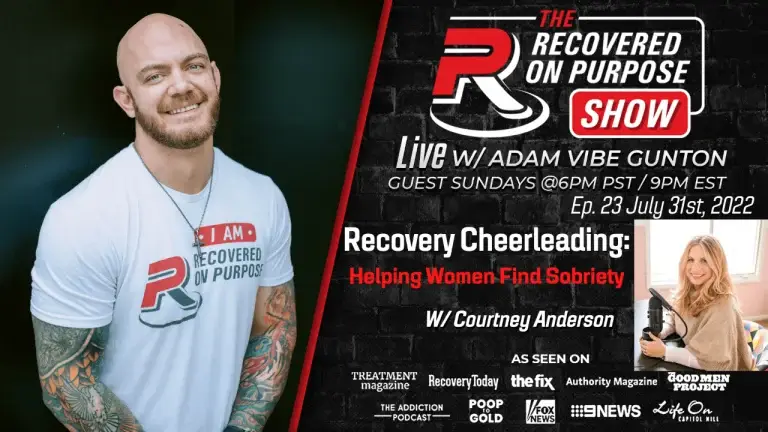
The Power of Support and Community in Recovery
Why Encouragement and Accountability Matter in Sobriety
Recovery is not meant to be a solo journey. While personal determination plays a key role in overcoming addiction, support from others provides the accountability and encouragement needed to sustain long-term sobriety. Studies show that people who engage in recovery communities—whether in-person or online—have higher success rates than those who attempt sobriety alone.Encouragement from others can:- Reinforce motivation when the temptation to drink arises.
- Provide guidance from those who have successfully navigated recovery challenges.
- Reduce feelings of isolation, a common relapse trigger.
The Role of Online Communities in Recovery Success
Not everyone has access to in-person meetings or recovery groups, which is why online communities have become a lifeline for many. Digital spaces provide:- Instant access to encouragement and support, no matter the time of day.
- Anonymity for those who aren’t ready for public recovery meetings.
- A place to share victories, struggles, and advice with like-minded individuals.
How Sober Vibes Helps Women Build Connection and Strength
Courtney Anderson’s Sober Vibes community was created to provide a safe, supportive space for women to embrace sobriety. Unlike traditional recovery spaces that focus on addiction alone, Sober Vibes encourages women to build fulfilling, alcohol-free lives through:- Connection with others who share similar struggles.
- Positive reinforcement rather than shame-based recovery messaging.
- Resources for mental, emotional, and spiritual growth in sobriety.
Courtney Anderson’s Journey to Sobriety
The Moment She Chose Recovery
Like many in active addiction, Courtney struggled with denial before finally reaching her turning point. For her, the moment of clarity came when she realized her drinking would cost her everything—her relationships, her health, and her future.For Courtney, August 18, 2012, was the day she made a decision to truly live. This moment mirrors Step 1 in recovery—admitting powerlessness over alcohol and recognizing the need for change.Her story reminds us that everyone has their own breaking point. Some experience it through a rock-bottom moment, while others find it through a series of realizations that recovery is the only way forward.Why an Ultimatum Worked for Her When It Doesn’t Work for Everyone
Ultimatums are often given to people struggling with addiction. Loved ones may say, “If you don’t stop drinking, I will leave” or “If you don’t get sober, you’ll lose your job.” In Courtney’s case, an ultimatum helped her recognize the reality of her situation.However, ultimatums don’t always work because:- Some people may rebel against them out of defiance.
- If a person is not mentally ready for change, an ultimatum can create resentment instead of motivation.
- Addiction alters brain chemistry, making logical consequences feel less important than the immediate need for alcohol or drugs.
Lessons Learned From Early Sobriety and Long-Term Recovery
Courtney’s early sobriety was filled with trial and error, emotional healing, and learning how to navigate life without alcohol. Some of her key takeaways include:- Sobriety is about thriving, not just surviving.
- Finding a support system—whether through online communities, coaching, or personal relationships—is crucial.
- Focusing on self-care and self-growth prevents feelings of deprivation.
Do Ultimatums and Interventions Work for Alcoholics?
When Tough Love Helps and When It Hurts
Tough love can be a double-edged sword in addiction recovery. Some people, like Courtney Anderson, experience a wake-up call when faced with an ultimatum, pushing them toward sobriety. Others, however, may react with defiance, denial, or deeper shame, driving them further into their addiction.When tough love helps:- The person is already questioning their drinking and needs a push.
- The boundary is clear, firm, and delivered with love rather than anger.
- It’s backed by consequences that will actually be enforced.
- It alienates the individual, leaving them feeling unworthy of help.
- The ultimatum is based on punishment rather than encouragement.
- The person is not mentally ready to accept change, leading to resistance.
The Psychology Behind Interventions for Alcohol Addiction
Interventions are structured conversations designed to help someone recognize the need for treatment. When done correctly, they can be powerful tools for initiating change. However, not all interventions are successful, as addiction affects brain chemistry, decision-making, and emotional regulation.Successful interventions rely on:- Planning and professional guidance (hiring an interventionist increases success rates).
- A calm, supportive tone rather than aggressive confrontation.
- Presenting clear options for treatment, rather than just pointing out the problem.
How to Approach a Loved One Struggling With Alcoholism
Approaching someone about their drinking is delicate. Many people struggling with alcoholism feel shame, fear, or denial, making them defensive when confronted. Instead of blaming or shaming, use open-ended questions and personal observations to express concern.A few ways to start the conversation:- “I’ve noticed you’ve been drinking more lately, and I’m worried about you. Are you okay?”
- “I care about you, and I’m concerned about how alcohol is affecting your life. Have you ever thought about making a change?”
- “I know it’s hard, but I want you to know that I’m here to support you if you ever want to talk about your drinking.”
Recovery Without Daily 12-Step Meetings: Is It Possible?
How Different People Find Their Own Paths to Sobriety
While 12-step programs have helped millions, not everyone relies on daily meetings for sobriety. Some people, like Courtney Anderson, find alternative recovery paths that work better for their lifestyles and personalities.Different paths to sobriety include:- Therapy-based recovery, using cognitive-behavioral therapy (CBT) or trauma healing.
- Medication-assisted treatment (MAT), such as The Sinclair Method or naltrexone.
- Faith-based recovery programs, like Celebrate Recovery.
- Community-driven support, such as sober coaching or online groups.
Tradition Three: There Are No Rules for Recovery
Tradition Three of AA states:“The only requirement for A.A. membership is a desire to stop drinking.”This means that anyone who wants to quit drinking is welcome, whether they:
- Attend meetings daily or occasionally.
- Use AA in combination with other recovery methods.
- Take a non-traditional approach to sobriety.
The Role of Alternative Support Systems in Sobriety
Not attending daily 12-step meetings doesn’t mean someone is alone in recovery. Alternative support systems offer the same sense of accountability and encouragement in different formats.Some effective alternatives include:- Sober online communities, like Sober Vibes or Facebook groups.
- Recovery coaches and mentors for one-on-one guidance.
- Spiritual or meditation-based programs for mental and emotional support.
- Structured relapse prevention plans (Relapse Prevention Plan).
The Impact of Sober Vibes and National Sober Day
How Courtney’s Platform is Helping Thousands of Women
Courtney Anderson’s Sober Vibes has become a lifeline for women navigating sobriety. Unlike traditional recovery spaces, Sober Vibes focuses on encouragement, empowerment, and celebrating alcohol-free living rather than solely addressing addiction.Through podcasts, online coaching, and a supportive digital community, Sober Vibes provides:- Connection with like-minded women who understand the struggles of recovery.
- A judgment-free space to discuss setbacks, victories, and personal growth.
- Practical resources and strategies for maintaining sobriety and mental wellness.
The Importance of Celebrating Sobriety
Many recovery programs emphasize struggle, addiction, and relapse prevention, but celebrating sobriety is just as important as avoiding relapse. Courtney’s creation of National Sober Day is designed to recognize and honor the strength it takes to stay sober.Celebration in recovery serves several purposes:- Boosts motivation—recognizing progress helps people stay committed.
- Redefines sobriety as a positive experience rather than a loss.
- Inspires others to embrace a sober lifestyle, seeing that recovery is about thriving, not just surviving.
Why Visibility and Representation Matter in Women’s Recovery
For years, addiction recovery spaces were male-dominated, making it harder for women to find role models and support systems tailored to their unique experiences. Courtney’s work ensures that women in recovery feel seen, heard, and empowered.Why representation in recovery matters:- Women face unique struggles related to addiction, including social stigma and family responsibilities.
- Seeing successful sober women proves that alcohol-free living is not only possible but rewarding.
- It normalizes sobriety—the more people share their recovery stories, the more others feel inspired to seek help.
Building a Strong Recovery Foundation That Lasts
Finding the Right Recovery Tools for Your Lifestyle
Recovery is not one-size-fits-all. What works for one person may not be effective for another. The key to long-term sobriety is building a recovery plan that fits your lifestyle, values, and personality.Some effective recovery tools include:- 12-Step programs like Alcoholics Anonymous for structured support.
- Therapy and counseling to address emotional triggers.
- Alternative recovery communities, such as Sober Vibes or online support groups.
- Mindfulness and spiritual practices to maintain emotional balance.
Overcoming Challenges in Long-Term Sobriety
The first few months of sobriety often come with rapid improvements in health and mindset, but as time passes, new challenges emerge. Many in long-term recovery experience:- Emotional triggers or unresolved trauma resurfacing.
- Periods of complacency where they feel less motivated.
- Changes in relationships and social circles that require adjustment.
Using Positivity and Encouragement to Stay Motivated
One of the biggest predictors of long-term sobriety is a positive mindset. While it’s important to address struggles, focusing on growth, wins, and the benefits of sobriety is equally crucial.Strategies for staying motivated include:- Practicing gratitude—acknowledging the blessings of a sober life.
- Surrounding yourself with positive influences—staying connected with uplifting recovery communities.
- Creating a personalized Relapse Prevention Plan to stay prepared for triggers.

Adam Vibe Gunton is an American author, speaker and thought leader in addiction treatment and recovery. After overcoming homelessness and drug addiction, Adam found his life’s purpose in helping addicts find the same freedom he found. As Founder and Executive Director of the 501(c)3 nonprofit, Recovered On Purpose, and Managing Partner of Behavioral Health Partners, Adam has helped thousands find freedom from addiction all over the world.