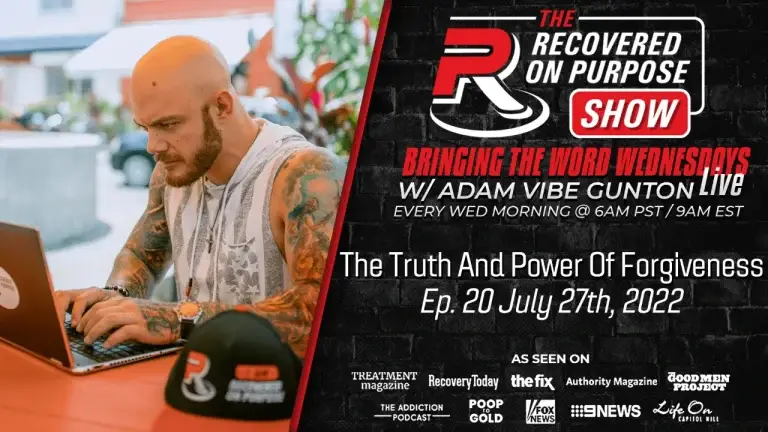
Understanding the True Meaning of Forgiveness
What Forgiveness Is (and What It Isn’t)
Forgiveness is often misunderstood. Many believe it means excusing hurtful actions or pretending pain never happened, but true forgiveness is far deeper than that. At its core, forgiveness is a conscious decision to release resentment and let go of the burden of offense, not a denial of the wrongdoing itself.Forgiveness does not mean:- Approving or excusing harmful behavior.
- Allowing someone to continue hurting you.
- Pretending the pain never existed.
The Difference Between Forgiving and Forgetting
A common misconception is that forgiveness requires forgetting. However, the Bible never instructs us to erase painful memories but rather to release their control over us. True forgiveness means acknowledging the past without allowing it to dictate our present or future.Forgetting may not always be possible, but letting go of resentment is. This distinction is important in cases of deep wounds, such as betrayal or abuse. Setting boundaries with those who have hurt us is not an act of unforgiveness—it is wisdom.Jesus teaches that we are to forgive seventy times seven (Matthew 18:22), meaning forgiveness is a continuous process. While we may remember the pain, we choose not to dwell in it. Through prayer, surrender, and reliance on God’s strength, we can live free from the grip of past offenses.Biblical Foundations of Forgiveness
How Jesus Modeled Forgiveness in His Teachings
Jesus exemplified forgiveness in both His words and actions, showing that mercy is central to God’s character. He extended grace to the sinner, the outcast, and even those who betrayed Him. One of the most profound moments of forgiveness in scripture occurred while Jesus was suffering on the cross. As He endured unimaginable pain, He prayed:“Father, forgive them, for they do not know what they are doing.” (Luke 23:34)This ultimate act of grace under suffering teaches us that forgiveness is not dependent on apologies or changed behavior. Instead, it is an act of obedience and trust in God’s justice.In Matthew 6:14-15, Jesus makes it clear that our own forgiveness is tied to how we forgive others:
“For if you forgive other people when they sin against you, your Heavenly Father will also forgive you. But if you do not forgive others their sins, your Father will not forgive your sins.”This doesn’t mean our salvation is conditional, but rather that an unforgiving heart blocks us from fully experiencing God’s mercy and grace.
The Connection Between God’s Forgiveness and Our Own
God’s forgiveness is the foundation upon which we extend forgiveness to others. If we have received mercy from Him, we are called to reflect that same mercy in our relationships.Step 5 in recovery teaches that by confessing our past, we experience freedom from shame and guilt. God’s forgiveness does the same—it cleanses us and allows us to move forward without condemnation.Many struggle to forgive because they feel justice has not been served. However, Romans 12:19 reminds us:“Do not take revenge, my dear friends, but leave room for God’s wrath, for it is written: ‘It is mine to avenge; I will repay,’ says the Lord.”Forgiveness does not mean giving up on justice; it means surrendering the outcome to God. By doing so, we free ourselves from the emotional burden of anger, resentment, and the need for control.When we fully embrace God’s grace, we recognize that we are all in need of mercy. Just as we have been forgiven, we are called to extend that same grace to others, reflecting the love of Christ and walking in true freedom.
The Role of Forgiveness in Recovery
How Unforgiveness Keeps Us Stuck in Addiction
Holding onto resentment is one of the greatest obstacles to lasting recovery. Unforgiveness creates emotional and spiritual burdens that fuel destructive behaviors, making it difficult to embrace true freedom. Many who struggle with addiction use substances as a way to numb pain caused by past hurts, betrayals, or injustices. When we refuse to forgive, we keep reliving that pain, reinforcing negative emotions that can lead to relapse.Resentment, anger, and unresolved hurt become mental loops that drain emotional energy, leaving little room for growth. This aligns with what the Big Book of Alcoholics Anonymous describes as resentment being the number one offender, leading many back to drinking or using. Forgiveness, on the other hand, interrupts that cycle by allowing us to let go of toxic emotions and focus on healing.Beyond addiction, unforgiveness can manifest in self-sabotage, broken relationships, and a sense of victimhood. It keeps people stuck in bitterness rather than progress, preventing them from experiencing the joy and peace that recovery offers. True healing begins when we recognize that forgiveness is a gift we give ourselves, not just the other person.The Power of Step 8 and Step 9 in Releasing Resentment
Steps 8 and 9 are crucial to the process of forgiveness, as they require us to address past harms—both those committed against us and those we have inflicted on others. Step 8 calls us to make a list of those we have harmed, and Step 9 requires us to make amends where possible. However, part of this process also involves forgiving those who have wronged us.Many hesitate to forgive because they believe it lets the other person off the hook. But forgiveness does not erase accountability—it simply releases our personal need for retribution. In working these steps, individuals often find that by confronting past wounds and extending grace, they experience a weight being lifted.Making amends is not always about direct reconciliation. Sometimes, the people we need to forgive are no longer in our lives or unwilling to acknowledge their wrongs. In these cases, forgiveness is an internal decision, not a conversation. Writing a letter that is never sent, praying for the person, or simply speaking the words “I choose to let this go” can be powerful ways to work through these steps.Forgiveness through Step 8 and Step 9 isn’t just about relationships—it’s about clearing the emotional and spiritual wreckage that stands between us and lasting sobriety.Practical Steps to Forgive Others (Even When It’s Hard)
Breaking the Cycle of Resentment Through Prayer and Action
Forgiveness is rarely a one-time event; rather, it is an ongoing process that requires deliberate action. Prayer is one of the most effective tools for softening a hardened heart, even when emotions don’t align with the desire to forgive. Step 11 encourages continuous prayer and meditation, reinforcing the idea that spiritual connection helps us navigate difficult emotions.One effective practice is praying for the person you need to forgive daily for two weeks. At first, this may feel forced, but over time, the act of bringing their name before God shifts our perspective. Instead of focusing on how they wronged us, we begin to release the pain associated with them.Taking action may also mean writing out what was done, how it affected you, and why you are choosing to forgive. Journaling is a powerful tool that helps externalize emotions and process wounds in a constructive way.If direct reconciliation is possible and healthy, seeking a conversation to express forgiveness can bring closure. However, this step should only be taken when it serves both parties’ healing—not when it risks further harm.How to Set Boundaries While Practicing Forgiveness
Forgiving someone does not mean allowing them back into your life without conditions. Boundaries are essential for protecting your peace and ensuring that forgiveness does not become a license for continued harm.Jesus taught us to forgive, but He also modeled boundaries—He loved unconditionally but did not allow others to manipulate or mistreat Him. Forgiveness and wisdom must go hand in hand.Ways to set boundaries while still forgiving:- Limit interactions with those who are toxic or unsafe.
- Express your expectations clearly if maintaining a relationship.
- Recognize when walking away is necessary for your well-being.
How Forgiveness Strengthens Faith and Relationships
Restoring Broken Connections Through Humility
Forgiveness is the foundation of healing broken relationships, but true restoration requires humility. In many cases, addiction damages connections with family, friends, and loved ones. Words spoken in anger, actions driven by selfishness, and trust broken over time create wounds that feel impossible to heal. However, humility allows us to take the first step toward mending what was lost.Humility in forgiveness means acknowledging that we, too, have needed grace. Just as we desire others to forgive our past mistakes, we must be willing to offer that same grace to those who have wronged us. This aligns with Step 10, which encourages continuous personal inventory and promptly admitting when we are wrong. Practicing humility by taking ownership of our part in fractured relationships fosters an atmosphere where reconciliation can begin.Restoring broken connections does not guarantee that things will return to how they were before, nor does it mean every relationship must be rekindled. However, it allows us to move forward without bitterness or regret, regardless of the other person’s response. Some relationships will heal with time and effort, while others may not be restored—but forgiveness ensures that our hearts remain free from resentment.Why Forgiveness is a Key to Emotional Freedom
Unforgiveness is a heavy burden. Carrying resentment toward others keeps us trapped in emotional and spiritual bondage, often replaying past hurts over and over. This emotional weight can lead to feelings of anger, anxiety, and even depression, making it difficult to experience the peace and joy that come with recovery.Forgiveness, however, breaks the chains of resentment and allows us to move forward unburdened. It provides emotional freedom by:- Releasing the need for revenge or justice.
- Allowing us to focus on the present rather than dwelling on the past.
- Freeing up emotional space for healing, love, and new opportunities.
Living a Life of Forgiveness and Freedom
Using Forgiveness as a Testimony of God’s Grace
One of the most powerful ways to witness to others is by demonstrating forgiveness in our own lives. When people see someone who was once bitter, angry, or broken now living with peace and compassion, they recognize the power of God’s grace in action.Forgiveness doesn’t just change us—it influences those around us. By forgiving freely, we show the world that God’s mercy is real, and that healing is possible. This aligns with Step 12, which calls us to carry the message of recovery and help others find the same freedom we have found.Sharing stories of how we have forgiven others and how we have been forgiven encourages those who are struggling. Many people remain stuck in addiction or emotional turmoil because they can’t see a way past their pain. Our testimony can serve as proof that transformation is possible.Walking Daily in Love, Mercy, and Spiritual Strength
Forgiveness is not just a one-time event—it’s a daily practice. Walking in forgiveness means choosing grace even in small moments:- Responding to offense with patience rather than anger.
- Offering kindness instead of resentment.
- Praying for those who have hurt us, even when we don’t feel like it.

Adam Vibe Gunton is an American author, speaker and thought leader in addiction treatment and recovery. After overcoming homelessness and drug addiction, Adam found his life’s purpose in helping addicts find the same freedom he found. As Founder and Executive Director of the 501(c)3 nonprofit, Recovered On Purpose, and Managing Partner of Behavioral Health Partners, Adam has helped thousands find freedom from addiction all over the world.