Finding a drug or alcohol rehabilitation center that accepts Medicaid is more than just a search for help—it’s a critical step toward reclaiming a life from the grip of addiction. As a member of the recovery community who was homeless and on Medicaid when I found recovery, I’ve experienced the challenges of finding an effective addiction treatment center that Medicaid covers. Yet, as someone in long term recovery who connects people to treatment programs, I’ve also seen how the right rehab center can change someone’s life forever.
Many of us feel discouraged and overwhelmed when seeking help, especially when we don’t have private health insurance, we don’t have money, and our mental health is not in the best place. But let me be clear: recovery is not only possible—it is your right. Everyone, regardless of income, deserves access to quality treatment services that can turn their life around. The Medicaid program plays a vital role in providing this lifeline, but navigating the system can be challenging, especially when you are doing it on your own.
Our Mission With Helping Medicaid Rehab Centers

At Recovered On Purpose, we believe everyone, regardless of their age, race, sexual orientation or socioeconomic background, deserves essential healthcare services for substance use disorders and co occurring mental health disorders.
I was on a waiting list for an inpatient treatment center for so long I got sober before they called me. But what about all those who no longer have the same number and were not able to get sober during that time? I am sick of losing people and we have created our directory and peer-to-peer treatment services for placement to make the process simple for someone seeking help.
This article is designed to empower you with the knowledge and resources to find a rehab facility that aligns with your needs and accepts the health insurance program you are on. My goal is to inspire change within the healthcare system, advocating for more accessible and comprehensive treatment options for those with Medicaid coverage. At the same time, I want to reach out to those who are struggling—to let you know that help is within reach. You are not alone in this journey, and with the right support, you can overcome addiction and build the life you deserve.
This is more than just a guide; it’s a call to action—for the system to evolve, and for you to take that courageous first step toward recovery. Every page has a contact box where you will speak only to someone else who is in addiction recovery with no incentive to send you to any specific drug rehab centers; we are only here to help.
Understanding Medicaid Health Insurance For Substance Abuse Treatment
First, we need to learn how to navigate the world of addiction treatment, what Medicaid covers, and see if you qualify for Medicaid in your state. Medicaid is run by each individual state and is governed by Federal Medicaid Law, playing a crucial role in ensuring people with limited financial resources can access the care they need to overcome addiction. However, the specifics of what is covered and how to access these services can vary widely, making it essential to have a clear understanding of your options.
What Services Are Covered?
Medicaid covers a range of addiction treatment services, but the exact offerings depend on specific Medicaid programs in each state. Generally, you can expect coverage for the following:
Detoxification Services
Medicaid often covers detox, which is the first 3-7 days where medical professionals safely manage withdrawal symptoms as the body clears itself of substances.
Substances like alcohol and benzodiazepines, at high levels for extended periods of time, are dangerous to detox from without medical supervision and can even cause death. This is typically the first step in the treatment process and requires 24/7 care at a treatment facility.
Inpatient Treatment
Inpatient programs include residential treatment where you will stay at the inpatient rehab facility for a period of time, usually 21-28 days of Medicaid coverage, to receive intensive care.
Inpatient treatment is especially needed for those with severe addiction who require a structured environment and those who do not have a safe place to go home to for the period following acute withdrawal management during detox.
Outpatient Treatment
Outpatient services allow you to receive treatment while continuing to live at home. Usually, you will start with one of the partial hospitalization programs that are typically 6 hours per day, 5 days per week, before stepping down to intensive outpatient treatment for 3 hours per day and 3 days per week.
This is a crucial step in the continuum of care and a good outpatient drug rehab center will become a community of healing and growth in your recovery. Intensive outpatient treatment (IOP) is also a good first option for someone who has a busy schedule or home life that may not have stepped over the edge of addiction where they need inpatient treatment services.
Counseling and Therapy
Outpatient programs will generally include individual counseling and group therapy, often having family counseling to help the home life as well. Both individual and group therapy sessions are essential components of addiction treatment, and Medicaid typically covers these services for extended periods of time, even after someone finishes their outpatient program.
Therapy helps address the underlying causes of addiction and equips us with the relapse prevention tools needed to maintain sobriety.
Medication-Assisted Treatment (MAT)
MAT, or medication assisted treatment, combines medication with mental health services like counseling and behavioral therapies. Medicaid covers medications like buprenorphine, and naltrexone, which help reduce cravings and withdrawal symptoms, making it easier to focus on recovery. Speak with a treatment provider about your options for medication assisted treatment services and make a decision between them, yourself, and God without allowing the opinions of anyone else to guide your path. I would rather you rebuild your life on suboxone for a couple years than die of an overdose like so many of us are.
Aftercare and Recovery Support
After completing a formal treatment program at a rehab center, ongoing support is critical for maintaining sobriety. Medicaid may cover aftercare services, including continued therapy, support groups, and case management.
Another service the Medicaid health insurance program covers in many states is peer recovery coaching. This service has someone in recovery, who has gone through what you are going through, coaching you in life and recovery to reintegrate into a sober life. They will help you set goals, help your behavioral health, and connect you with more addiction recovery programs that will take you to the next level.
State-by-State Variations
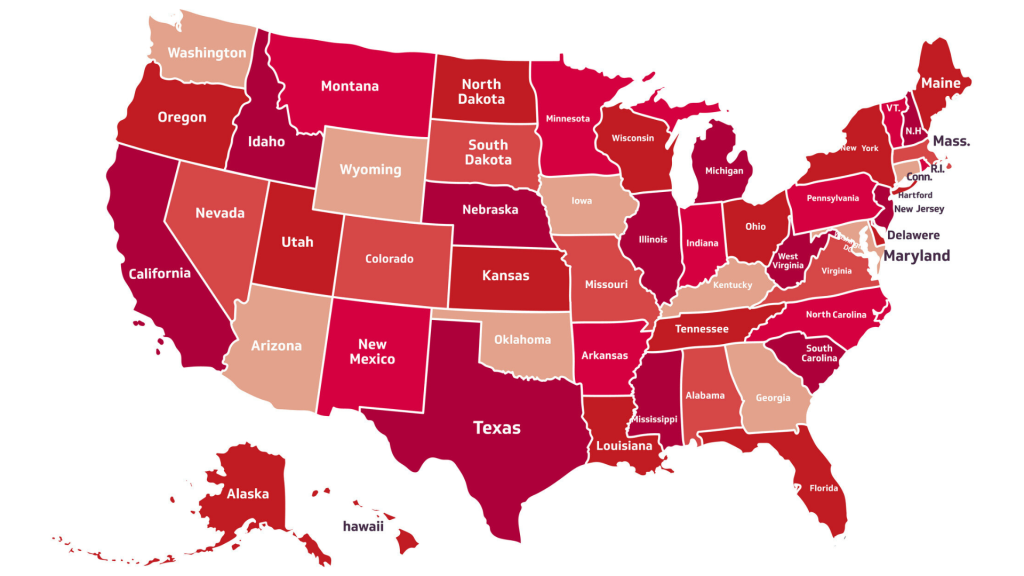
One of the challenges of Medicaid coverage is that it varies significantly from state to state. Each state has its own Medicaid program, with different rules about what services are covered and who is eligible. Some states offer comprehensive coverage for a wide range of addiction treatment services, while others may have more limited options.
The first step is to get Medicaid if you qualify, because then we can see the substance abuse services they cover in your state. When you look at our 50 State Medicaid Rehab List, you will see the services in the service keys for what addiction treatment centers near you are able to provide.
Navigating These Variations
The Mental Health Services Administration has a helpline if you want to do this with the big government entities that are here to help you and we are here to help you navigate the landscape of finding addiction treatment centers near you that accept Medicaid. Steps to take are:
Research Your State’s Specific Coverage
Start by visiting your state’s Medicaid website or contacting your state’s Medicaid office. There is a link on your state’s page on our website to navigate to the Medicaid Application and you can find contact information and the location and contact information for your state.
They can provide detailed information on what services are covered and any specific requirements. They are almost never going to be treatment specialists, but will have more information to answer questions about what will Medicaid cover.
Understand the Criteria for Coverage
Some states may have additional criteria for accessing certain types of treatment, such as requiring a referral from a primary care physician or a diagnosis from a licensed addiction specialist. This is called a prior authorization to make sure the treatment center you are going to will get paid out by Medicaid.
Medicaid’s reimbursements are significantly less than private health insurance, so make sure you help your treatment provider out by making it easy on them to get paid so they can keep their doors open. If the treatment center is willing to accept Medicaid coverage and the low reimbursement rates, they are in it to help you.
How to Verify Your Medicaid Eligibility and Medicaid Coverage

Before seeking substance use disorder treatment, the first step is to verify your Medicaid eligibility and understand exactly what your plan covers. Here’s how you can do that:
Check Your Eligibility
If you’re not already enrolled in Medicaid, you can check your eligibility through your state’s Medicaid website you can find on our 50 State Medicaid Resource Guide corresponding to your state. Eligibility is typically based on income, household size, and other factors making someone unable to afford private health insurance.
If you’re homeless and a drug addict like I was, you qualify in every state. Pregnant women who are single and unable to afford private insurance can generally qualify and their are factors included like when you have a big life event like losing a job or moving. When you go to your state’s Medicaid application on their health and human services website, they will ask you questions; just be honest.
Review Your Coverage Plan
Once enrolled, review your Medicaid plan to see what addiction treatment services are included. You can do this by logging into your Medicaid account online, contacting your Medicaid managed care organization (if applicable), or speaking directly with a Medicaid representative.
You can also call one of your local drug rehabs centers that accept Medicaid and ask them if your plan covers their services. This is a great way to get connected with a treatment specialist near you who can help you navigate the healthcare services landscape in your area.
Ask Specific Questions
- When reviewing your coverage, ask specific questions such as:
- Does my plan cover inpatient and outpatient treatment?
- What are the requirements for accessing detox services?
- Are there limits on the number of counseling sessions covered in an outpatient program?
- What medications are covered in medication assisted treatment?
By understanding your Medicaid coverage, you can take informed steps toward accessing the addiction treatment programs and services you need. Remember, the path to recovery may have its challenges, but knowing what’s available to you through Medicaid can help you overcome those obstacles and start your journey toward a healthier, sober life.
This season of life will be merely a blip and I will see you at a recovery center or recovery rally near you to celebrate real soon!
Challenges of Finding Drug Rehab Centers That Accept Medicaid

Finding drug or alcohol rehabilitation facilities that accept Medicaid has been a difficult task for many of us who were at the end of the road. When private health insurance and private pay treatment centers have 100’s of 1,000’s of dollars per month to spend on marketing to be on the front page of Google for all the terms we would search for, it becomes really hard for many of us to find mental health services at low cost or no cost to us through Medicaid.
Medicaid provides a crucial safety net for those seeking addiction treatment programs who do not have money or private health insurance, but the reality is that accessing these services often comes with significant challenges. Understanding these obstacles is the first step in navigating them effectively and ensuring that you or your loved one receives the care needed for addiction treatment and recovery.
Limited Availability of Facilities
Our 50 State Guide for drug rehab centers that take Medicaid has some states like Arkansas that has 12 resources, all the way to California bringing in a whopping 132, the reality is that these centers are opening and closing their doors regularly and the number of drug rehab centers may vary by the day.
One of the primary challenges is the limited number of rehabilitation centers that accept Medicaid. Many private facilities do not participate in the Medicaid program due to lower reimbursement rates compared to private health insurance, and as an entrepreneur myself, who can blame them?
The real problem is at the level of government and Health and Human Services to decide to make the business of owning a drug rehab center that accepts Medicaid more viable and sustainable through increasing reimbursements even a little. As a result, there are fewer options available for those relying on Medicaid, especially in rural areas or regions with limited healthcare infrastructure.
Geographic Disparities to Finding Treatment Services
In some states, the nearest Medicaid-accepting drug rehab center might be hours away, making it difficult for those without reliable transportation to access addiction treatment. There are options for virtual substance abuse treatment in an outpatient drug rehab center setting, but we miss so much of the opportunity of real connection while receiving mental health services this way.
This geographic disparity can leave many people in need of care without viable options for rehab centers near them.
Urban vs. Rural Access For Addiction Treatment
Urban areas may have more rehabilitation facilities that accept Medicaid, but the demand for services in these areas is often high, leading to waitlists and overcrowded treatment programs.
In contrast, rural areas might have fewer options overall, exacerbating the challenge of finding accessible addiction treatment centers that accept Medicaid.
Stigma and Misconceptions Surrounding Drug Rehab Centers That Accept Medicaid Coverage
Another significant barrier is the stigma surrounding Medicaid-funded addiction treatment. There is a common misconception that facilities that accept Medicaid offer lower-quality care compared to private health insurance facilities. Although a rehabilitation center that accepts Medicaid may have less reimbursements to work with, they often care for their treatment facilities at a level others do not.
There are good and bad at every level of drug abuse treatment centers and sometimes we need to go where God leads us and make the absolute best of it because we have the power to change our environment.
Drug rehab centers that are low cost or accept Medicaid shouldn’t roll out a red carpet for us as we walk in, but if the center has serious issues with safety or you see problems with drugs in the facility or other dangerous situations, please reach out to me and let me know about your experience. I would also love to hear about good experiences you have at rehabilitation facilities that accept Medicaid that you went to.
This stigma can discourage some of us from seeking help, even when Medicaid is our only option. Only thing is, for many of us, the last house on the block may be where we find recovery, find God, and begin our long life in recovery helping others. Let’s be humble and go to a good rehab center near us and work the treatment program like our life depends on it; because it does.
Perceived Quality of Care
While it’s true that some Medicaid-accepting centers may face resource constraints, many offer high-quality, evidence-based treatment programs at no cost to Medicaid recipients and low cost to others who are on the cusp of qualifying for Medicaid.
The key is to do some research and ask the right questions to ensure the treatment facility you choose meets your needs with their values and their treatment programs, not their food plan and massage therapy.
Internalized Stigma
For many, the idea of using Medicaid for addiction treatment can feel like admitting failure or accepting second-rate care. Well, ya boy here was homeless, addicted, and on Medicaid coverage seven years ago as I write this and the situation you are going into inpatient treatment with will be very different than the situation you are in in seven years if you decide to stick to it!
Overcoming this internalized stigma and self-pity about your situation is crucial. So what you’re at this point… You will get out of it! Seeking help through Medicaid is a courageous and important step toward recovery, not a reflection of one’s worth.
Private rehab centers often have the exact same success rates as rehab centers that accept Medicaid. It is more about the person who is going in and out of them than the center itself.
Waiting Lists and Accessibility Issues for Medicaid Rehab Centers

Even when a suitable drug abuse facility that accepts Medicaid is found, gaining access to treatment can be challenging due to long waiting lists. The demand for addiction treatment often exceeds the available resources, leading to delays that can be discouraging and, in some cases, dangerous.
Long Wait Times for Inpatient Programs
The reality of addiction treatment is that immediate access can be critical, especially for those of us in crisis. Imagine being addicted to drugs, distressed and at your wits-end ready to go to treatment, then after going through the whole process of getting Medicaid, finding an addiction treatment center that accepts Medicaid, only to be told there is a 60-90 day waitlist to get into their inpatient programs.
The high demand for Medicaid rehab centers often results in waiting lists that can delay the start of treatment for weeks or even months. In this timeframe, many of us suffering will no longer have the same phone number we gave to be put on the list, let alone still be willing to come to drug rehab after the wait.
Maintaining Motivation to Receive Substance Abuse Services
The waiting period can be a vulnerable time for us while struggling with addiction. It’s essential to maintain motivation and stay connected to other support resources during this time, such as local support groups at a recovery center, or even an outpatient program with treatment specialists.
During this wait period, go to 12 step fellowship meetings daily like Alcoholics Anonymous, Cocaine Anonymous, or Narcotics Anonymous and you can click any of those links for location and contact information.
Limited Program Availability for Substance Use Disorders
Some Medicaid rehab centers may offer a narrower range of treatment services, making it difficult to find a treatment center that aligns with your specific needs, such as gender-specific treatment services, specialized care for co-occurring disorders, or programs tailored for certain populations like veterans. Tricare military insurance takes excellent care of their beneficiaries, but don’t get me started on the problems with our veteran treatment services.
Behavioral health services at low cost rehabilitation facilities are limited due to the incentive for startups to build a rehabilitation center that accepts Medicaid rather than open a center that focuses on private health insurance where the margins are double or triple.
There is a new dawn arising for treatment services that accept Medicaid and the next few years are going to be incredible to witness for those of us with a desire to help the population who need it the most.
Navigating These Challenges of Finding Substance Abuse Treatment Services

While these challenges to find rehab centers that accept Medicaid can seem overwhelming, they are not insurmountable, especially with the right community by your side.
The most important thing, in finding treatment services and in recovery, is you take the next right action step to get to where you’re going. Do not let fear stop you from taking action steps to find a treatment provider.
Here are some strategies to help navigate the obstacles:
Start Searching For Treatment Services Early
Begin your search as soon as possible, even if you’re not ready to enter substance abuse treatment immediately. This can give you a head start in finding treatment services and securing a spot on the waiting list for when you are ready to recover.
Checking your Medicaid eligibility and applying now, before you have even made the decision to go to a treatment center is the best way to set yourself up for success when you are ready. It is better to be prepared with the resources you need when you make the decision, than to go through the whole process when you should just walk through the front doors of the treatment center you picked.
Utilize Support Networks at a Local Recovery Center
Don’t hesitate to reach out to treatment specialists, social workers, and community organizations for assistance in finding Medicaid rehab centers near you. They can provide valuable guidance and you can ask them their opinion about the Medicaid rehab centers on our 50 State Medicaid Rehab Center guide.
After you have made connections in the local community, utilize the services at the recovery center like activities, 12-step meetings, and other group meetings. You never know who you are going to meet who will have the message that changes your life!
Consider Telehealth Options for Outpatient Treatment Services
If in-person services are limited, look into telehealth options for mental health services. Many states have expanded Medicaid coverage to include telehealth services, which can provide immediate support while waiting for inpatient treatment.
Outpatient services can be done on a virtual basis on your phone, computer, or laptop while your treatment provider is right there on the zoom call with you. Until we are able to open more centers and shorten the wait line and drive, utilize the options for substance abuse services you have.
Stay Persistent in Your Search for Rehab Centers
The process may be frustrating, but persistence is key. You ever wake up in your active crack cocaine addiction with no money, no car, and no job and think, “Welp, I guess I won’t smoke crack today.” Of course not! Search for treatment and stay persistent as if finding Medicaid rehab centers is your only hope. You will feel a great reward of accomplishment the harder you work on your recovery.
Continue following up with rehab facilities, checking for openings, and exploring all available options. Don’t get frustrated and use at the system, we put ourselves in the situation we are in and need to be the ones willing to work to get ourselves out.
Finding rehab centers that accept Medicaid and have availability may require extra effort, but it is a critical step toward recovery. By understanding the challenges and being proactive in your search, you can overcome these obstacles and access the care you need to reclaim your life from addiction.
Steps to Find Drug & Alcohol Rehab Centers That Accept Medicaid

The process of finding drug and alcohol rehab centers that accept Medicaid can be challenging, but with the right approach and resources, you can find a facility that meets your needs. Whether you’re seeking treatment for yourself or a loved one, these steps will help you navigate the search and secure access to quality care.
Don’t forget you are on a website of a nonprofit that is here to help any way we can. You can reach out on the contact page or message us on your state’s page of the Medicaid Rehabs In All 50 States directory.
Step 1: Research and Use Online Resources
Your first step should be conducting thorough research to identify a treatment center near you that accepts Medicaid. You can make a list of multiple rehab centers while conducting your initial research before making calls to find out more information about what you need.
Several online tools and directories can make this process easier. Some of the most notable are:
SAMHSA’s Treatment Locator
The Substance Abuse and Mental Health Services Administration (SAMHSA) offers an online tool that helps you find local rehab centers. You can filter results to show facilities that accept Medicaid, making it a great starting point.
Behavioral health services, substance abuse treatment services, partial hospitalization programs (PHP), intensive outpatient programs (IOP), and that Medicaid cover.
State Medicaid Websites
Each state has its own Medicaid website that may provide a list of local rehab centers that accept Medicaid. These websites can also offer detailed information about specific state policies and benefits for addiction treatment.
You can find these state websites on the corresponding state page of our 50 state treatment center guide for Medicaid.
Nonprofit Organizations
Some nonprofits provide resources and directories to help people find addiction treatment. For example, organizations like the Partnership to End Addiction have databases of treatment centers, and some specifically highlight Medicaid-accepting facilities.
Some of these directories can help you find a recovery center near you or may even have their own you can visit while searching for inpatient and outpatient programs.
Recovered On Purpose’s Resources
Our own organization offers free resources and lists of treatment centers, specifically focusing on those that accept Medicaid, helping to streamline the search process for us that are in need of help.
The difference with Recovered On Purpose is we are fully run by recovered addicts and everyone you ever talk to has no incentive other than to help you be connected to any resources that will be good for you to find the path of recovery.
Step 2: Contact State Medicaid Offices and Local Health Departments
Once you’ve done some initial research, it’s a good idea to get in touch with your state’s Medicaid office or local health department. These organizations often have up-to-date information on treatment centers that accept Medicaid and can offer personalized assistance.
Often times, Medicaid will have a health insurance program that is different for different areas of the state or even different in network hospital groups. Your local health and human services office can help you decipher your plan and coverage.
State Medicaid Offices
You can call your state’s Medicaid hotline or visit their website to find information about addiction treatment providers that accept Medicaid. The Medicaid office can also confirm your eligibility for coverage and help clarify which services are covered.
These local health and human services offices will often times have case workers, social workers, or even peers in recovery that will help you with every step. Soon, Recovered On Purpose will have local resource guides to help you and maybe you will become one in your area to help the next person.
Local Health Departments
County or city health departments are valuable resources in your search. They often have direct connections to local mental health centers and may even offer case management services to assist you in navigating the healthcare system.
Step 3: Seek Referrals and Recommendations
Another effective strategy is to seek recommendations from behavioral health professionals, social workers, or people in recovery who have been through the process. Referrals can provide insider information about which facilities offer the best care and are most supportive to Medicaid recipients.
Most people are only here to help, and most of the predatory behavior of health care marketers has washed away. If you experience anything locally that is not above board, please let me know.
Healthcare Providers
If you’re already connected to a primary care doctor, therapist, or social worker, they can be invaluable in recommending Medicaid-accepting rehab centers that align with your substance use disorder and co-occurring disorders for mental health needs.
They may even be able to help with paperwork or direct referrals which can get you past the line and wait list and in your inpatient or outpatient program quickly.
Support Groups and Recovery Communities
Talking to others in recovery, whether in support groups like Alcoholics Anonymous or online recovery communities, can provide insights into the best substance abuse services Medicaid cover. Many people in recovery have gone through similar searches and can offer advice based on personal experience.
Our philosophy is the best help comes from those that have been where you are and have made it to where you want to go. One person in recovery helping another is the best way to find long term recovery.
Step 4: Verify the Facility’s Credentials and Quality
Once you have a list of potential mental health and substance use disorder centers, you may want to verify their credentials and ensure they provide quality care. Not all treatment facilities are created equal, and you want to be sure you’re choosing a center that uses evidence-based practices.
Substance abuse treatment centers that take private health insurance must have accreditation oversite. Substance use disorder and mental health treatment centers that only take Medicaid are not required to have an oversite in most states. You can feel confident that centers with accreditation give more quality care.
Accreditation
Look for facilities accredited by reputable organizations like The Joint Commission or the Commission on Accreditation of Rehabilitation Facilities (CARF). These accreditations indicate that the center meets high standards of care.
Staff Credentials
Check that the facility employs licensed and certified staff, including counselors, therapists, and medical professionals. A qualified staff ensures you receive the best possible treatment.
Treatment Approaches
Ask about the center’s treatment methods and programs. You want to ensure they offer evidence-based practices, such as Cognitive Behavioral Therapy (CBT), Medication-Assisted Treatment (MAT), and holistic support services like aftercare planning, relapse prevention plans, and family therapy.
Step 5: Ask Questions to Ensure It’s the Right Fit
Before committing to a treatment facility, make sure it aligns with your specific needs. Don’t hesitate to ask questions that can help you assess whether the center is the right fit for your recovery journey.
Do you accept Medicaid, and what services are covered under my plan?
Be clear about what is and isn’t covered by Medicaid. Some centers may only accept Medicaid for specific services, such as detox or intensive outpatient treatment. These programs work and outpatient programs have a longer stay for more effective relapse prevention, but if you are looking for inpatient AND outpatient treatment, make sure you will get it at their center.
What is the program structure?
Understand the structure of the treatment program, including whether it’s inpatient treatment, outpatient treatment, or a combination of both. Knowing the length of the program, the daily schedule, and the treatment methods used can help you gauge if it meets your needs.
Is there a waiting list?
Given the high demand for Medicaid-accepting facilities, some centers may have waiting lists. Ask about the expected wait time and what services are available while you wait for admission.
Group therapy and intensive outpatient programs are often immediate admission. Partial hospitalization programs way be a faster wait also, so ask about all their programs.
Step 6: Stay Persistent and Follow Up
The search process may not yield immediate results, especially if you encounter waiting lists or limited options. However, persistence is key. Continue following up with the facilities you’ve contacted, checking for openings, and reaching out to other providers if necessary. Stay connected to other support services, like outpatient counseling or support groups, to maintain your momentum while waiting for an available spot in a treatment program.
By following these steps, you can overcome the challenges of finding substance abuse treatment that accepts Medicaid and take the necessary steps toward recovery. With patience and persistence, you can find a facility that offers the support and care you deserve.
Special Considerations for Veterans & Substance Abuse Treatment

Veterans face unique challenges when seeking addiction treatment, particularly when navigating the complexities of Medicaid and VA benefits.
Veterans may experience addiction differently due to trauma, PTSD, or difficulties transitioning back to civilian life, making it essential to find the right kind of care. For those relying on Medicaid, there are special considerations to keep in mind to ensure they receive the treatment and support they deserve.
Medicaid and VA Benefits vs Tricare Military Insurance
Veterans who do not qualify for Tricare Military Insurance often have access to healthcare through both Medicaid and the U.S. Department of Veterans Affairs (VA), but understanding how these two systems work together can be confusing. It’s crucial to know how to maximize your benefits:
Dual Coverage Options
Veterans can be eligible for both Medicaid and VA healthcare benefits. Medicaid can provide coverage for services that the VA doesn’t cover or for care provided outside the VA system.
For example, some veterans may use Medicaid for inpatient rehab at civilian facilities that are closer to home or more specialized than VA options, then they may use their VA benefits for outpatient treatment programs with fellow veterans.
VA as a Primary Resource
The VA offers addiction treatment programs that are specifically tailored to veterans, often addressing co-occurring disorders like PTSD. These programs can provide comprehensive support, but availability may vary based on location.
Veterans who qualify for VA care should explore what services the VA offers before looking for Medicaid-funded options. If you are having a hard time finding substance abuse treatment services at the VA near you, contact us to see what we can do to help you.
Finding Facilities Specializing in Veterans’ Care
Veterans may require a specialized approach to addiction treatment that addresses the unique experiences and trauma they’ve faced. Many rehab centers offer veteran-specific programs, which can be covered by Medicaid.
Other outpatient treatment facilities like New Chapter Recovery Center in New Jersey cater to Tricare and VACCN beneficiaries.
Veteran-Specific Rehab Centers
Look for rehab centers that specialize in treating veterans. These facilities often have experience with military trauma, PTSD, and the specific emotional and psychological challenges that veterans face. Some programs are designed exclusively for veterans, creating a community environment where individuals can connect with others who share similar experiences.
Collaboration with VA and Medicaid
Some facilities work in collaboration with both Medicaid and the VA to provide veterans with a broader range of treatment options. These centers may accept Medicaid for certain services and VA coverage for others, ensuring comprehensive care.
Conclusion: Advocating for Veterans’ Needs
While veterans face unique challenges in addiction recovery, there are numerous resources available through both Medicaid and the VA to support their journey. The key is to find a facility that understands the needs of veterans and offers comprehensive, trauma-informed care.
By combining Medicaid and VA benefits, and seeking out specialized programs, veterans can access the care they need to overcome addiction and build a healthy, sober future.
Veterans have served their country with honor, and it is crucial that we ensure they have access to the best possible addiction treatment tailored to their unique experiences. With the right support, veterans can heal from both addiction and the underlying wounds of their service.
Conclusion – Finding A Recovery Center That Accepts Health Insurance with Medicaid
Finding behavioral health services that accept Medicaid can feel overwhelming, but has become more and more available as the years continue.
By leveraging online resources, contacting state Medicaid offices, seeking recommendations, and verifying the credentials of treatment facilities, you can find a center that provides the care you need.
For veterans, the journey may involve navigating both Medicaid and VA benefits to access specialized, trauma-informed treatment. Whether you’re a veteran or civilian, it’s important to remember that recovery is possible and that financial circumstances should never be a barrier to receiving quality care.
Medicaid offers a critical lifeline for those struggling with addiction, but the healthcare system must evolve to ensure broader access and improved services. As someone deeply invested in the recovery community, I am committed to advocating for changes that make treatment more accessible, especially for those relying on Medicaid.
If you or someone you love is facing addiction, I urge you to take the first step. The road to recovery may be long, but with determination and the right support, you can break free from addiction and build a brighter future.
You deserve quality care and a second chance at life—no matter your financial situation. Seek out the help available to you, and don’t stop fighting for your recovery. Help is out there, and your journey to healing starts today.
FAQ: Frequently Asked Questions About Finding Addiction Treatment with Medicaid
1. What is Intensive Outpatient Treatment (IOP) and does Medicaid cover it?
Intensive Outpatient Treatment (IOP) is a structured treatment program that allows you to live at home while receiving treatment for three hours, three days per week. Intensive outpatient programs are designed for those who don’t need round-the-clock care but still require comprehensive support.
Medicaid often covers IOP services, but the exact coverage may vary by state. It’s important to verify your specific plan’s benefits.
2. How can I prevent relapse after completing treatment?
Relapse prevention is a key part of recovery. Many Medicaid programs offer ongoing support through outpatient counseling, support groups, and aftercare programs. These services are crucial for maintaining sobriety and developing coping strategies to handle triggers.
In addition, staying connected with a support network, such as 12-step programs or peer groups like us at Recovered On Purpose, to help you stay accountable and committed to your recovery.
3. Does Medicaid cover family counseling as part of addiction treatment?
Yes, many Medicaid plans cover family counseling as part of addiction treatment. Family therapy is an important element in recovery, as it helps repair relationships and build a strong support system for long-term sobriety.
Make sure to check with your specific Medicaid plan to confirm the scope of family therapy services covered. We did enough damage in our addictions, family therapy can be helpful in the long run.
4. What is SAMHSA, and how can it help me find a rehab center?
The Substance Abuse and Mental Health Services Administration (SAMHSA) is a federal agency that provides resources for people struggling with addiction and mental health issues.
The Mental Health Services Administration has an online treatment locator can help you find drug rehab centers near you. The tool allows you to filter by treatment type and location, making it easier to find the right facility.
5. Can I go to private rehab centers if I’m on Medicaid?
Many private rehab centers do not accept Medicaid, as they typically cater to clients with private insurance or cash to pay. However, some private centers may accept Medicaid for certain services, such as outpatient or detox programs.
If you’re considering a private center, it’s important to inquire directly about whether they accept Medicaid or offer sliding scale fees. There may even be scholarships available for the right candidates that are really ready to recover.
6. What options are available for pregnant women seeking addiction treatment through Medicaid?
Pregnant women are often prioritized for treatment and have access to specialized programs that address both substance use and prenatal care. Medicaid typically covers addiction treatment for pregnant women, including detox, medication-assisted treatment, and prenatal medical care.
Many rehab centers offer specialized services to ensure both the mother’s and baby’s health are protected during recovery. Check the SAMHSA finder for location and contact information to centers near you with special treatment for pregnant women.
7. How can I find a rehab center that addresses both addiction and mental health disorders?
Many people with substance use disorders also struggle with co-occurring mental health issues, such as anxiety, depression, or PTSD. It’s important to find a treatment center that offers dual-diagnosis programs, which treat both addiction and mental health issues simultaneously. Medicaid typically covers dual-diagnosis treatment, but availability may vary by state and facility. Use SAMHSA’s Treatment Locator or contact local Medicaid offices to find centers specializing in mental health and addiction treatment.
8. Is relapse a normal part of the recovery process?
Short answer: no. Relapse does not have to be a part of your recovery, but if it has in the past, then let this be the time it never does again! Many Medicaid-accepting centers provide relapse prevention support, including therapy and counseling to help individuals get back on track.

Adam Vibe Gunton is an American author, speaker and thought leader in addiction treatment and recovery. After overcoming homelessness and drug addiction, Adam found his life’s purpose in helping addicts find the same freedom he found. As Founder and Executive Director of the 501(c)3 nonprofit, Recovered On Purpose, and Managing Partner of Behavioral Health Partners, Adam has helped thousands find freedom from addiction all over the world.