Mistakes Made in Early Recovery
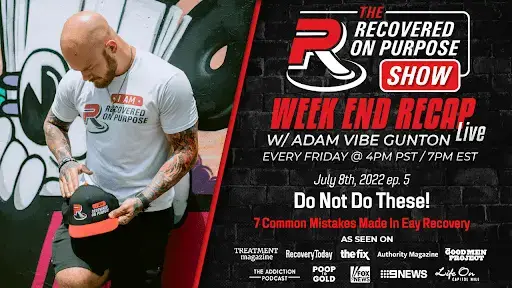
Mistakes made in early recovery and how to avoid them. On today’s episode of The Recovered On Purpose Show, I share some mistakes I have made in my recovery, lessons I learned from those mistakes, and I brought the 7 most common mistakes addicts in early recovery make that take them back out…
If you are an addict in early recovery, there are some things we have noticed and witnessed time and again that causes addicts in early recovery to relapse and never make it to the year clean and sober and beyond.
I share what not to do in early recovery and what to do in early recovery to make sure you are going to make it through the first year and beyond!
To learn more about Recovered On Purpose, get a complementary copy of Adam’s bestselling book From Chains To Saved, or to book a FREE call with Adam visit: Recovered On Purpose Home Page
Free Resources For Addicts and Addicts in Early Recovery
- Free Relapse Prevention Worksheet
- 4th Step Inventory: Making It Quicker and Simpler
- 4th Step Resentment Inventory
- 4th Step Fear Inventory
- Medicaid Rehabs In All 50 States
- Guided Meditation For Addicts In Recovery
- Positive Affirmations For Addicts In Recovery
- Relapse Prevention Strategies For Addicts In Early Recovery
- Free Copy of From Chains To Saved
The Top 5 Mistakes Made in Early Recovery

Early addiction recovery is a tumultuous phase marked by both vulnerability and opportunities for growth. A single misstep can feel like a landslide back into the throes of addiction, while wiser choices plant the seeds for a stable, sober future.
For those navigating the uncharted territory of recovery, each decision is weighted with significance. In this comprehensive guide, we will unpack the five most common mistakes individuals encounter in the early days of their sobriety and illuminate pathways toward a resilient and fulfilling recovery.
Mistake 1: Overconfidence and Not Seeking Professional Help
One of the paradoxes of recovery is the pendulum that often swings between feelings of immense strength and bouts of vulnerability. Many individuals, buoyed by an initial surge of empowerment, underestimate the complexities of addiction and the support required to manage it.
The Dangers of Self-Reliance
It can be easy to fall into the trap of self-reliance, especially when newly sober. The sentiment of ‘I got myself into this, I’ll get myself out’ can be dangerously misleading. Addiction is multifaceted, involving biological, psychological, and social elements that require professional guidance. Those who sidestep this need often find themselves overwhelmed or, worse, back in their old habits.
How to Pivot from Overconfidence
Recognizing the need for professional help is the first step. Engaging with a therapist or counselor specialized in addiction treatment is not an admission of weakness but a declaration of intent to overcome. It is an acknowledgment of your commitment to a safer, more sustainable recovery path.
Mistake 2: Ignoring the Need for a Strong Support System
No individual is an island, and recovery without a robust support system is akin to sailing a rudderless ship. Friends, family, and support groups can provide the compass that steers you from your past and towards a healthier, sober future.
Building Bridges, Not Walls
Some entering recovery feel the sting of isolation, having distanced themselves from others during the throes of addiction. Rebuilding these connections is crucial. Ignoring this need can lead to loneliness and a higher likelihood of relapse.
Nurturing Support
It’s important to actively nurture relationships and seek out those who genuinely support your recovery. Attending support group meetings regularly and sparing time for loved ones are investments, not obligations. They are the lifelines that buoy you through the challenges of early recovery.
Mistake 3: Underestimating Self-Care and Mental Health
Early recovery is the time to be unapologetically self-focused. Prioritizing physical and mental health is paramount, yet it is a mistake often overlooked in favor of past habits of self-neglect.
Relearning to Prioritize
Addiction often leads to a spiral of self-destruction, neglecting vital aspects of care. In recovery, it’s essential to relearn the art of prioritization. Regular exercise, balanced nutrition, and activities that bring joy are not indulgences but necessities that foster a positive mental state.
Cultivating a Holistic Approach to Recovery
Addiction recovery is a holistic experience, addressing the individual as a sum of parts. Focusing on mental health through mindfulness, therapy, or meditation, alongside physical self-care, ensures that each aspect of your being is healing in tandem.
Mistake 4: Engaging in Old Habits and Environments Too Soon
It’s incredibly tempting, upon entering recovery, to test the waters of old environments and social circles. However, these can act like quicksand, pulling you back into the familiar, often harmful, patterns of addiction.
The Seduction of Familiarity
Old environments and social situations evoke comfort out of habit, not always choice. Revisiting these too soon can lead to triggers and a longing for the comfortable numbness of the past.
Building a New Life Step by Step
Recovery is as much about creating as it is about abstaining. Engage in new, sober activities, find communities that align with your healthier lifestyle, and slowly build a network of support that reflects the person you are becoming, not who you once were.
Mistake 5: Relapsing and Not Having a Plan for Setbacks
Relapse is a stark reality for many in early recovery. Though seen as a failure, relapse can be a teaching moment if approached with recovery-minded strategies.
Preventing the Inevitable
The thought of relapse may seem far-fetched in the vigor of newfound sobriety, but it’s an omnipresent risk. Those who do not have a plan in place for setbacks are often blindsided, ill-equipped to address the emotional and psychological aftermath.
Creating a Relapse Prevention Plan
A relapse prevention plan is a set of guidelines tailored to your unique triggers and warning signs. It includes direct steps to take in the event of a craving or actual substance use. By addressing these vulnerabilities beforehand, you create a safety net to prevent a single lapse from derailing your entire recovery.
Personal Stories of Overcoming These Mistakes
Recovery is not a solitary success, but a collective of individual triumphs. Here, we share the journeys of those who have confronted the mistakes of early recovery and emerged stronger.
Finding Professional Lifelines
Jane, a recovering alcoholic, initially dismissed the notion of professional help, believing sheer willpower could suffice. After a sober stint that ended in a devastating relapse, she sought the expertise of a therapist. Their guidance not only helped her understand the root causes of her addiction but also provided her with tools to manage her cravings.
The Support That Sustains
David, a recovering addict, reentered his old social circles out of a misplaced sense of duty, only to find himself at risk of relapse. His turning point came when he joined a community of fellow recovering addicts who offered support without judgment. This network became his anchor, facilitating a stable recovery environment.
The Importance of Mental Fortitude
Karen, a recovering opioid user, initially neglected the mental health aspect of her recovery. However, through integrating mindfulness practices into her daily routine, she found solace and a newfound clarity that strengthened her resolve to stay clean.
How to Avoid and Overcome These Mistakes
It’s not enough to merely identify the common pitfalls of early recovery; one must also equip themselves with strategies to avoid or surmount them. Here, we present actionable steps to fortify your recovery.
Recognizing Vulnerabilities
An introspective look at past behaviors and triggers can illuminate where your recovery is most vulnerable. Keep a journal, attend therapy, and participate in support groups to gain insights and perspective.
Establishing Boundaries and Routines
Recovery thrives in an environment of structure and predictability. Set boundaries with regards to old habits and associates, and establish routines that bring balance and accountability to your days.
Continuous Learning and Adaptation
Recovery is a dynamic process that requires continuous learning and adaptation. Stay informed about addiction, attend workshops, and never dismiss an opportunity to better understand yourself and your sobriety.
Navigating a Journey, Not Just a Destination
The road to recovery is one of perpetual change, growth, and rediscovery. Early mistakes need not define your trajectory, but rather serve as signposts highlighting where adjustment is needed. With a steadfast resolve, a supportive network, and the right tools, a life of fulfillment and sobriety is not just a hopeful outcome but an attainable reality.
Share, Seek, Support
We encourage you, members of the addiction recovery community, to share your own experiences and insights. By vocalizing your struggles and triumphs, you can offer support for others navigating similar paths. Seek out community resources, engage with support systems, and remember, recovery is not a climb to be made alone but a collective ascent towards the light of a new day.
In the shadows of addiction, mistakes are inevitable, yet they do not eclipse the possibility of a bright, sober future. Through proactive measures and the support of a caring community, each day becomes not a battle but an opportunity to flourish.

Adam Vibe Gunton is an American author, speaker and thought leader in addiction treatment and recovery. After overcoming homelessness and drug addiction, Adam found his life’s purpose in helping addicts find the same freedom he found. As Founder and Executive Director of the 501(c)3 nonprofit, Recovered On Purpose, and Managing Partner of Behavioral Health Partners, Adam has helped thousands find freedom from addiction all over the world.