Shame and guilt often act as emotional anchors, keeping us tied to the past and making it difficult to experience true freedom in recovery. For many of us, guilt stems from specific actions—hurting loved ones, lying, or stealing to sustain our addictions. Shame, on the other hand, runs deeper, embedding the belief that we are fundamentally flawed or unworthy of love. If left unresolved, these emotions can weigh us down, holding us back from healing and moving forward into the life we’re meant to live in our recovery from addiction.
The 4th and 5th steps of the 12-Step program offer a clear path to healing these emotions. In the 4th step, we make a searching and fearless moral inventory, bringing hidden shame and guilt to the surface. The 5th step provides the opportunity to release these burdens by sharing them with God, ourselves, and another person. This process doesn’t just offer relief; it lays the foundation for emotional freedom and long-term recovery.
In this article, we’ll explore how working the 4th and 5th steps helps us confront and heal shame and guilt. Together, we’ll walk through:
- The Difference Between Shame and Guilt: Why understanding the distinction between guilt and shame is essential to recovery.
- Identifying Shame and Guilt in the 4th Step: How the moral inventory uncovers emotions buried beneath resentments, fears, and harmful behaviors.
- Releasing Shame and Guilt in the 5th Step: The healing power of sharing our inventory and experiencing acceptance from others and ourselves.
- The Importance of Forgiveness: Why forgiving ourselves and others is essential for emotional freedom.
- Long-Term Freedom from Shame and Guilt: Practices we can use to stay free from these emotions and continue building a life of purpose in recovery.
Key Takeaways for Healing Shame and Guilt in 4th Step & 5th Step Work
- Shame and guilt are distinct emotions that must be addressed for lasting recovery.
- The 4th step inventory brings hidden emotions to light, while the 5th step helps us release them through sharing.
- Forgiving ourselves is a crucial part of healing, allowing us to move forward with peace and purpose.
- Maintaining freedom from shame and guilt requires ongoing work and practices that keep us grounded in recovery.
Understanding the Difference Between Shame and Guilt

Shame and guilt are powerful emotions that many of us carry into recovery, and both must be addressed for true healing. Although they often feel similar, understanding the difference between the two is essential for working the 4th and 5th steps effectively.
These steps help us recognize how guilt can motivate positive change, while shame can hold us back by making us believe we are unworthy of healing. Below, we’ll break down these emotions and explore why it’s critical to confront both on our path to freedom.
Defining Guilt
Guilt is the emotional response we experience when we regret specific actions we’ve taken—something we’ve said or done that violated our values or hurt others. It’s tied directly to behavior and serves as a signal that we’ve acted in a way that goes against who we want to be. In many ways, guilt can be a helpful emotion because it encourages us to make amends and take responsibility.
For example, many of us feel guilty for lying to loved ones, manipulating others, or stealing to fuel our addiction. These actions go against the kind of people we want to be, which is why they cause guilt. When we recognize guilt through the 4th step inventory, we’re given a chance to make things right and begin releasing its hold on us through the 5th step and beyond.
Defining Shame
While guilt is connected to actions, shame runs much deeper. Shame isn’t just about what we’ve done—it’s the belief that there is something inherently wrong with us, that we are broken, flawed, or unworthy. Unlike guilt, which can motivate change, shame keeps us stuck in self-judgment and isolation. It tells us that we don’t deserve forgiveness or a better life.
For many of us, shame feels like the voice that says, “You’re not enough” or “You’ll never be anything more than your past mistakes.” This emotion can be crippling, preventing us from even trying to change. Shame often surfaces during the 4th step when we uncover the moments we’re most afraid to confront. But by working the 5th step, we release the grip that shame has on us and begin to see that we are not defined by our past.
Why Addressing Both Is Essential in the 4th & 5th Steps
Shame and guilt may feel overwhelming, but they must be addressed together to find lasting freedom. If we only focus on guilt, we might correct some of our behaviors, but unresolved shame will continue to tell us that we are unworthy of healing or happiness. On the other hand, if we confront only shame without taking responsibility for our actions, we miss the opportunity to make amends and experience the 9th step promises.
The 4th and 5th steps create the perfect process for addressing both. In the 4th step, we identify the behaviors that caused guilt, along with the deeper beliefs tied to shame. We write down not just what we did but how it made us feel about ourselves. In the 5th step, we release the power of these emotions by sharing them with someone we trust, realizing that we are not alone in our struggles.
When we face both guilt and shame head-on, we stop carrying their weight with us. We begin to see that while we made mistakes, we are not our mistakes. These steps allow us to separate what we’ve done from who we are, helping us embrace the truth that we are worthy of healing, forgiveness, and a new life in recovery.
Identifying Shame and Guilt in the 4th Step

The 4th step out of The AA Big Book asks us to face our past with honesty by creating a fearless moral inventory. This step plays a crucial role in helping us uncover the shame and guilt that have accumulated through our actions and beliefs. It provides the opportunity to reflect on our behaviors, fears, and resentments without judgment, allowing us to begin releasing the emotional weight we’ve been carrying.
The Purpose of the 4th Step
The 4th step—“Made a searching and fearless moral inventory of ourselves”—is designed to help us look inward and identify the root causes of the shame and guilt we feel. By writing down our thoughts, emotions, and behaviors, we gain clarity about where we’ve gone astray and how these patterns have impacted our lives.
This step is not about punishment or blame; it’s about self-awareness. It gives us the chance to see how our actions and beliefs have contributed to our struggles, and more importantly, how we can change. The goal is not to dwell on our mistakes but to begin separating ourselves from them—understanding that while we made harmful choices, those actions do not define who we are.
How To Start the 4th Step Inventory Process
Breaking the 4th step into smaller parts makes it easier to navigate. We use specific inventories to guide our reflection and help us confront areas where guilt and shame are often hidden. These inventories may bring up difficult emotions, but remember, you’re not alone, and the purpose is healing, not self-condemnation.
Below are the main parts of the inventory. We explore each in greater detail in other posts for those ready to dive deeper:
- This inventory focuses on unresolved anger and grudges we hold toward others.
- Resentments often mask deeper feelings of guilt or shame.
- You can download our resentment inventory worksheet here
- This section helps us uncover fears tied to our guilt or shame, such as fear of rejection or failure.
- Fear can control our behavior and keep us from moving forward in recovery.
- You can download our fear inventory worksheet here
- This inventory explores behaviors in our intimate relationships, especially those that caused harm or conflict.
- Shame around sexual conduct can be deeply buried and is often difficult to confront.
- You can download our sex inventory worksheet here
Recognizing Patterns of Shame
As we complete the 4th step inventory, patterns of shame often begin to emerge. We might notice recurring themes—such as believing we are failures or feeling unworthy of love. These patterns can stem from experiences in our past, including trauma, neglect, or repeated mistakes during active addiction.
For example, guilt over lying or stealing may mask a deeper belief that we’re “bad” people. Recognizing these patterns is essential because it allows us to understand how shame has shaped our thinking and behavior. Once we see these patterns clearly, we can begin to challenge them, replacing the old, harmful narratives with the truth—that we are not defined by our mistakes, but by our present actions, and we are worthy of healing.
The Role of Compassion and Self-Forgiveness

Compassion and self-forgiveness are critical components of the 4th step process. As we uncover the guilt and shame buried within us, it’s important to approach ourselves with kindness. We often extend grace and understanding to others but struggle to offer the same to ourselves. This step invites us to practice self-compassion—acknowledging that we’ve made mistakes, but those mistakes do not make us unworthy of love and recovery.
Self-forgiveness is not about excusing harmful actions; it’s about recognizing that holding on to guilt and shame only keeps us stuck. Through forgiveness, we release the emotional weight we’ve carried and open the door to healing.
As we work through the 4th step, we are reminded that we are not alone, and we have the ability to change, grow, and move forward. This compassionate approach creates the foundation for sharing our inventory in the 5th step and allows us to begin embracing a new identity rooted in truth and self-acceptance.
Releasing Shame and Guilt in the 5th Step
The 5th step—“Admitted to God, to ourselves, and to another human being the exact nature of our wrongs”—is a powerful process of release. It allows us to take what we uncovered in the 4th step and share it openly, lifting the burden of shame and guilt that we’ve carried. This step is not just about confession; it’s about healing through connection, acceptance, and forgiveness.
The Purpose of the 5th Step
The 5th step provides a way to confront our past in a safe and supportive environment. What we kept hidden in shame during active addiction is brought into the open. By sharing these truths with God, ourselves, and someone we trust, we acknowledge our actions, take responsibility, and release the emotional weight we’ve carried. This step marks the beginning of true freedom—where the power of guilt and shame over our lives starts to diminish.
How Speaking Aloud Releases Shame
There is a unique healing power in speaking our experiences aloud. When we say our truths out loud, shame loses its grip over us. Often, the things we are most ashamed of seem smaller and less overwhelming once they are spoken. We are able to, “turn our shame into our superpower.” As I said in my TED Talk About Addiction Recovery. As we tell our story, we begin to see that we are not alone—others have walked this path and found healing too.
This act of sharing breaks the cycle of isolation that shame creates. It shifts our perspective from self-judgment to self-acceptance, showing us that no matter what we’ve done, we are still worthy of recovery and forgiveness.
The Role of a Sponsor in Healing
A sponsor plays a crucial role in the 5th step. They offer a safe, non-judgmental space where we can speak openly about our wrongs. A good sponsor listens with empathy, helping us see our actions in a new light. Through their guidance, we realize that our mistakes do not define us and that we are not alone in our struggles.
Sponsors also help us reframe the way we view ourselves. They remind us that we are more than our past and encourage us to embrace the hope and healing that the steps offer.
Inviting God into the Process

The 5th step emphasizes the importance of bringing God, or a Higher Power, into the healing process. This act of surrender allows us to release the shame and guilt we’ve carried, trusting that we are forgiven. By inviting God into the process, we experience grace and compassion—both of which are essential for moving forward.
This spiritual connection can provide a sense of peace and strength, helping us let go of the burdens that have weighed us down for so long.
What It Feels Like After the 5th Step
Many of us describe the 5th step as a profound experience of relief. It’s as if a heavy burden we didn’t realize we were carrying is finally lifted. The shame and guilt that once defined us lose their power, leaving us with a sense of lightness and freedom.
After completing the 5th step, we often feel more connected to ourselves, our Higher Power, and others. This newfound freedom becomes the foundation for future steps and fuels our journey toward long-term recovery. Through this process, we begin to see that we are not broken—we are healing, and we are worthy of the new life unfolding before us.
In my own experience after the 5th step, I had a profound spiritual awakening the day after when I realized, for the first time since I was 12 years old, that I had no desire to drink or use. The shame and guilt from my past was lifted along with my drinking and drug problem.
Self-Forgiveness and Letting Go of Shame and Guilt Forever

Letting go of shame and guilt isn’t a one-time event—it’s a continuous process that requires self-forgiveness, releasing resentments, and building a new identity rooted in recovery. The work we do in the 4th and 5th steps lays the foundation for this freedom, but maintaining it means choosing forgiveness daily and embracing the person we are becoming.
How to Practice Self-Forgiveness
Self-forgiveness begins by recognizing that our mistakes do not define who we are. We are not bound to the choices we made in addiction, and holding on to guilt only keeps us stuck. One way to practice self-forgiveness is to reflect on the lessons we’ve learned from our past and acknowledge the effort we are making to change.
Daily practices like writing affirmations, journaling progress, and embracing gratitude can remind us that we are worthy of love and healing. Forgiving ourselves doesn’t mean we excuse what happened—it means we choose to release the emotional weight, allowing ourselves to grow and move forward.
Forgiving Others To Release Resentment
Resentments keep us tied to the pain of the past and often prevent us from fully healing. Forgiving others isn’t about condoning what they did—it’s about freeing ourselves from the anger and bitterness that hold us back. In the 4th step, we uncover the resentments we’ve been carrying, and through prayer, we ask for the willingness to forgive.
The 4th Step Prayer—“God, help me show the same tolerance, pity, and patience that I would cheerfully grant a sick friend”—reminds us to view those who hurt us through a lens of compassion. Holding on to resentments only continues the cycle of suffering, but forgiveness breaks those chains and sets us free.
Building a New Identity After the 5th Step
The 5th step gives us a chance to shed the identity that shame created. No longer do we have to carry the belief that we are broken or unworthy. As we release our wrongs and receive acceptance from God, ourselves, and our sponsor, we begin to see ourselves differently—not as addicts trapped in the past, but as people in recovery, actively creating a new life.
This new identity is built through action. We show up for ourselves and others, live in alignment with our values, and celebrate progress, no matter how small. Each step forward is a reminder that we are not who we were—we are becoming who we were always meant to be. By practicing forgiveness, releasing resentments, and embracing a new identity, we can let go of shame and guilt for good, creating a life rooted in purpose, healing, and freedom.
Final Thoughts From Recovered On Purpose
Healing from shame and guilt is essential for lasting recovery, and the 4th and 5th steps give us the tools to uncover, release, and move beyond these heavy emotions. Through honest reflection in the 4th step, we identify the behaviors and beliefs that kept us trapped. In the 5th step, we experience the freedom that comes from sharing our truth and being met with acceptance.
Forgiveness—both of ourselves and others—is key to sustaining this freedom. By letting go of resentments and building a new identity rooted in recovery, we step into the life we were always meant to live. Shame and guilt no longer have to define us. With each day in recovery, we create new meaning and purpose, proving that we are worthy of love, healing, and growth.
At Recovered On Purpose, we believe that freedom is possible for all of us, no matter how deep the guilt or how heavy the shame. If you are working through these steps, know that you are not alone. The work is worth it, and the freedom you seek is on the other side of this process. Keep going—you are becoming the person you were always meant to be.
We are with you every step of the way. You are not your past—you are worthy of recovery, peace, and purpose.

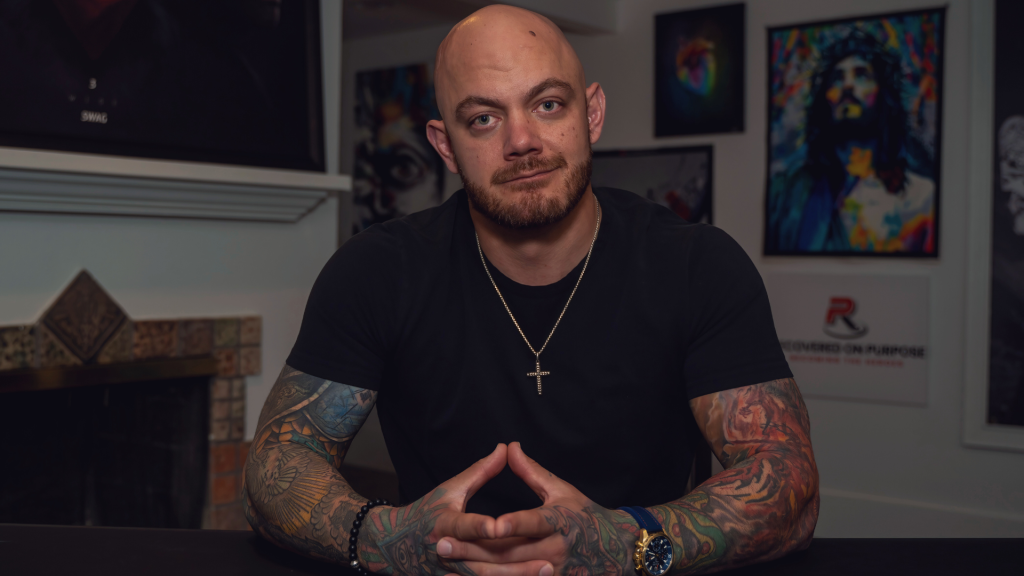
Adam Vibe Gunton is an American author, speaker and thought leader in addiction treatment and recovery. After overcoming homelessness and drug addiction, Adam found his life’s purpose in helping addicts find the same freedom he found. As Founder and Executive Director of the 501(c)3 nonprofit, Recovered On Purpose, and Managing Partner of Behavioral Health Partners, Adam has helped thousands find freedom from addiction all over the world.